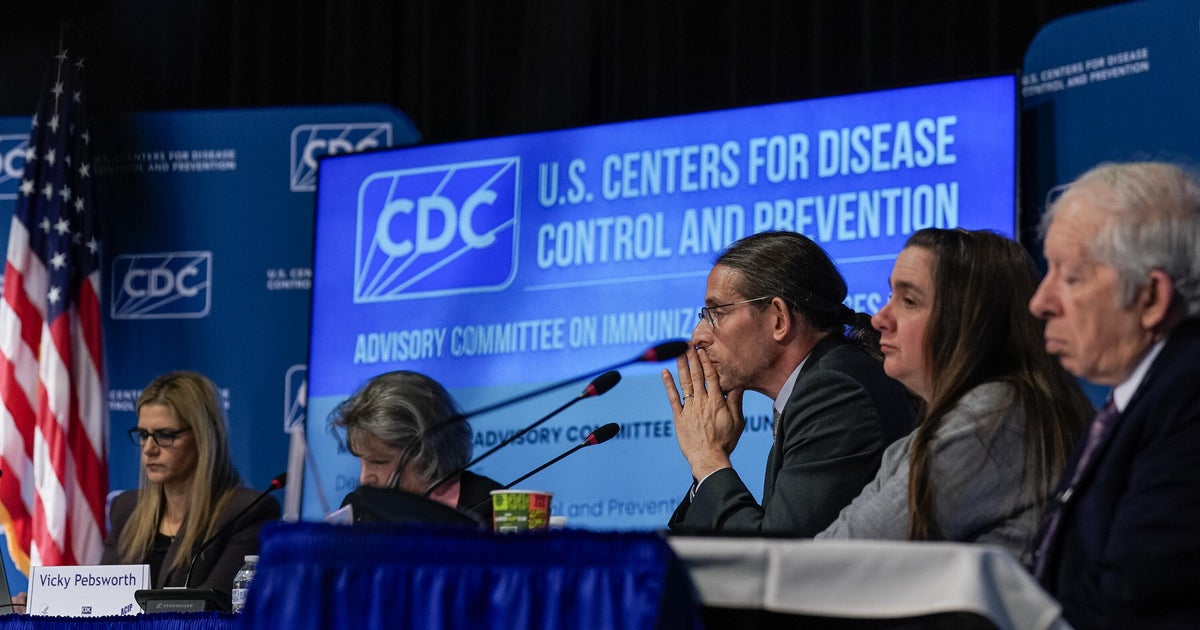
At its December meeting ACIP voted 8-3 to stop universally recommending a hepatitis B birth dose for newborns of mothers who test negative—favoring a delayed first dose at two months and individualized decision‑making—and also voted 6-4 (one abstention) to recommend clinician consultation about post‑dose antibody testing. The move, by a panel whose members were appointed by HHS Secretary Robert F. Kennedy Jr., breaks with three decades of CDC guidance credited with a 99% fall in pediatric HBV and has drawn sharp criticism from the AAP, immunologists and Sen. Bill Cassidy, who warn a delay could increase preventable chronic infections; it also creates regulatory and payer uncertainty because ACIP recommendations influence CDC policy, state mandates and insurer coverage. The contentious, politicized vote elevates policy risk for public‑health programs, payers and vaccine manufacturers as the CDC director decides whether to adopt the change and states consider their own responses.
The Advisory Committee on Immunization Practices voted 8-3 to stop a universal recommendation for a hepatitis B birth dose for newborns of mothers who test negative and to recommend delaying the first dose until two months of age, and separately voted 6-4 (one abstention) to advise clinician consultation about post‑dose antibody testing. The votes occurred during a contentious two‑day meeting of a panel whose members were appointed by HHS Secretary Robert F. Kennedy Jr., and followed procedural confusion over changing draft language.
This departs from CDC guidance in place since 1991, a program associated with a 99% decline in pediatric hepatitis B infections; the article notes infants infected at birth have a ~90% risk of chronic disease and that ~16% of pregnant women may “fall through the cracks” of prenatal screening. Major medical bodies (AAP, American Association of Immunologists), clinicians on ACIP, and Sen. Bill Cassidy criticized the change as increasing preventable chronic infections and questioned the underlying data.
ACIP recommendations influence CDC policy, state mandates and private insurer coverage, so the decision creates payer and policy uncertainty that could affect public‑health programs, payers and vaccine suppliers. The provided signals rate sentiment moderately negative with a low market‑impact score (0.15), indicating limited immediate market disruption but material regulatory and reputational risk to monitor.
AI-powered research, real-time alerts, and portfolio analytics for institutional investors.
Request DemoOverall Sentiment
moderately negative
Sentiment Score
-0.60
