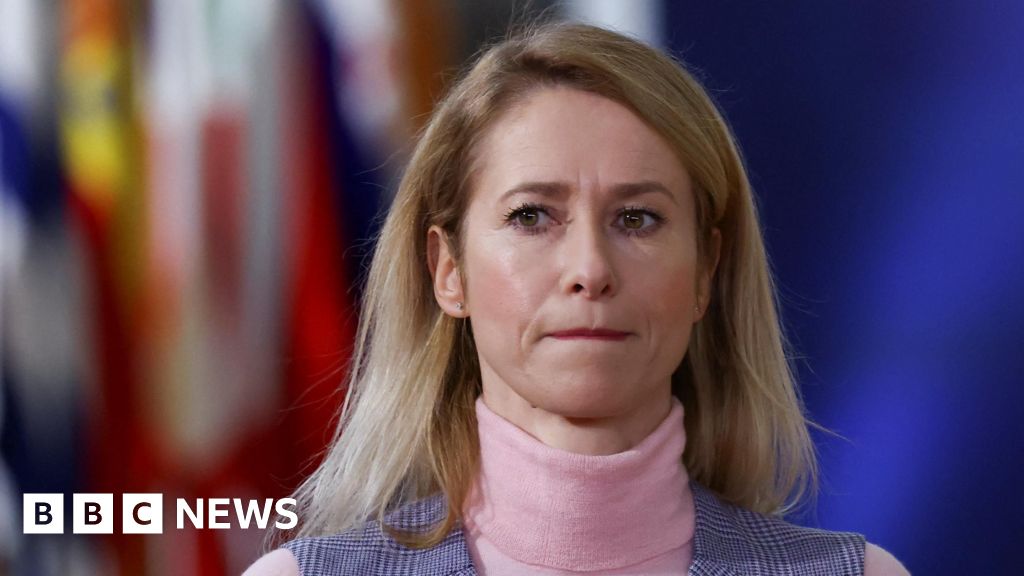
EU foreign policy chief Kaja Kallas dismissed Kremlin claims that Ukraine attempted a drone strike on President Putin's Valdai residence as a deliberate distraction aimed at derailing US-led ceasefire talks, while Moscow released unverified footage and maps purporting to show Ukrainian launches. Kyiv and President Zelensky deny the attack; meanwhile Russia continued strikes that hit Odesa, causing civilian injuries and large power outages, heightening the risk of renewed escalation that could widen regional risk premia, disrupt Black Sea shipping and complicate nascent peace negotiations.
Market structure: An escalation narrative (real or manufactured) benefits defense contractors, cybersecurity firms, insured energy producers and insurers of maritime trade while hurting EM risk assets, airlines/ports exposure to the Black Sea and Ukrainian infrastructure. Expect a near-term re-pricing: defense order book visibility increases (pricing power for primes), airline yields compress as capacity risk rises, and insurance premia for Black Sea cargo can rise 30–100% within weeks, raising freight costs and commodity delivered prices.
Risk assessment: Tail risks include a larger Russian retaliation that triggers NATO diplomatic escalation (low-to-moderate probability next 1–3 months) or a Black Sea blockade pushing Brent >$90 within 2–8 weeks. Immediate (days) will see volatility spikes and wider credit spreads; short-term (weeks–months) shows EM sovereign CDS widening and FX stress; long-term (12–24 months) could reallocate government budgets toward defense, supporting sustained revenue for primes. Hidden dependencies: winter European gas flows, P&I club insurance actions, and US diplomatic moves are the key second-order variables.
Trade implications: Favor defensives: allocate to top-tier primes (RTX, LMT, NOC) and commodity/energy producers (XOM, CVX) while hedging via USD and US Treasuries (TLT) and gold (GLD). Use relative trades: long RTX vs short JETS ETF to express defense vs travel divergence; employ options to buy downside protection on EM (EEM puts) and upside capped exposure to defense (3–6 month call spreads on RTX/LMT). Time entries within 1–4 weeks to capture momentum; tighten stops at 8–12% move against positions.
Contrarian angles: Consensus prices in persistent risk-off but underestimates the chance of a negotiated pause within 1–3 months that would cause defense equities to retrace 10–20%. Historical parallels (localized incidents in 2014–2022) show medium-term mean reversion once diplomatic channels re-open; therefore size longs conservatively and write short-term premium against positions. Unintended consequence: a short, sharp ceasefire rally could cause crowded exits in defense and gold—avoid >5% position sizes without liquid hedges.
AI-powered research, real-time alerts, and portfolio analytics for institutional investors.
Request DemoOverall Sentiment
moderately negative
Sentiment Score
-0.50
