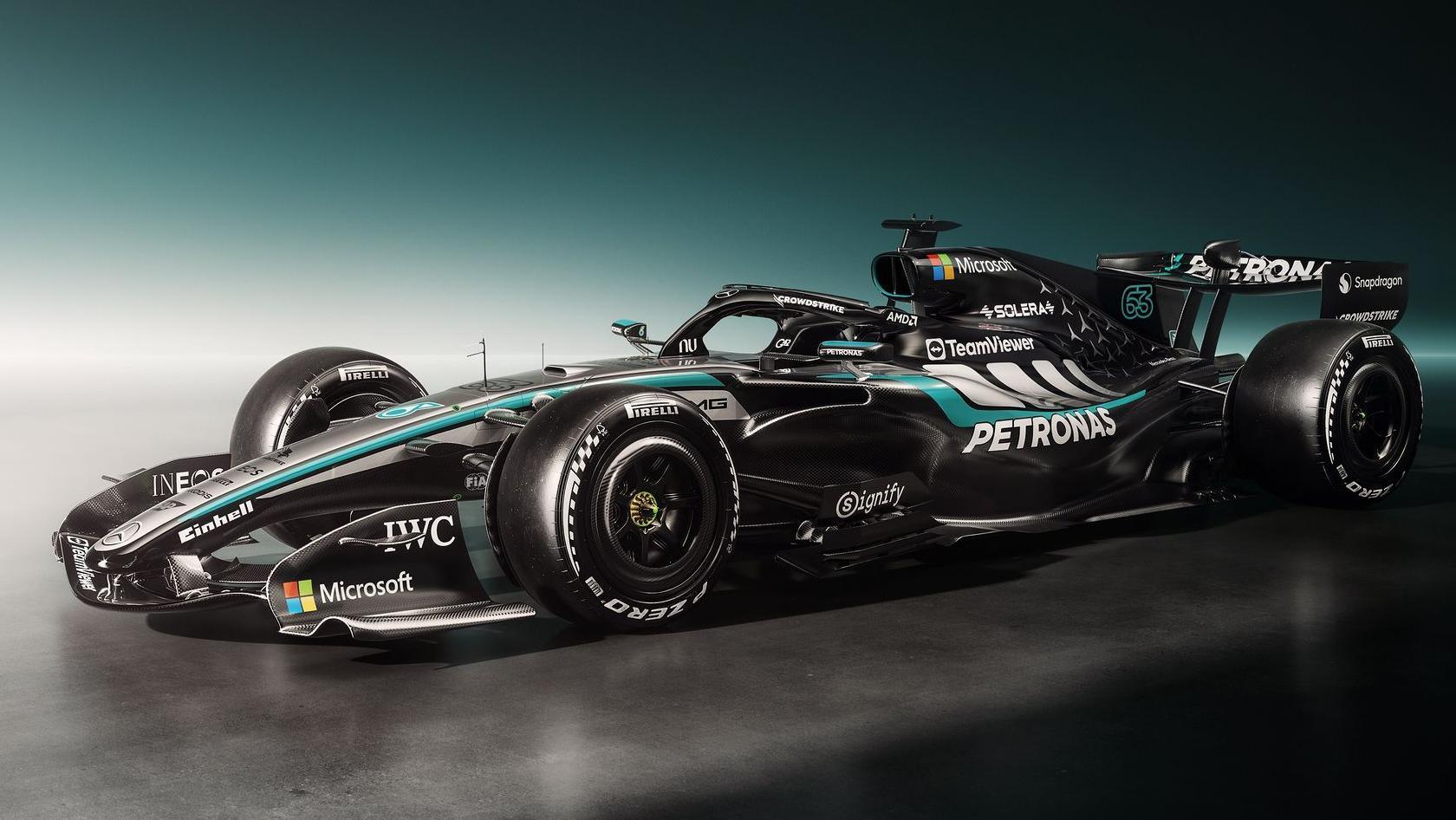
Mercedes has unveiled its W17 chassis ahead of the 2026 Formula 1 rules reset—introducing new cars, power units, tyres and a mandated sustainable fuel—with digital images released prior to a first on-track run at Silverstone and closed pre-season testing in Barcelona. The team retains drivers George Russell and Kimi Antonelli, and faces scrutiny alongside Red Bull over alleged exploitation of a compression-ratio measurement loophole that will be discussed with the FIA; Mercedes frames the program as a disciplined, long-term development of the power unit and sustainable fuels.
Market structure: The 2026 rule reset favors teams with deep in-house engineering and access to sustainable-fuel supply chains — obvious winners are Mercedes-Benz Group (MBG.DE/MBGYY) and Red Bull/Ford powertrain partners, plus upstream sustainable-fuel producers (e.g., NESTE.HE). Smaller, undercapitalised teams and legacy refiners stand to lose podium-driven sponsorship value; leading teams could capture a 3–7% revenue bump from sponsorship/merchandise in the first 12 months if on-track dominance returns. Shifts in on-track competitiveness will reallocate marketing dollars and technical-supplier contracts, concentrating pricing power among fewer suppliers of bespoke power-unit components and advanced fuels.
Risk assessment: Key tail risks include an FIA technical directive that closes the alleged thermal-compression loophole (fast, high-impact; market reaction >10–20% for advantaged teams/suppliers within days) and feedstock shocks that raise sustainable-fuel costs 10–25% over a quarter. Immediate catalysts: Silverstone shakedown and Barcelona test (days–weeks); medium-term: FIA clarifications (30–90 days); long-term: adoption curve for sustainable fuels and component supply capacity (12–36 months). Hidden dependency: any performance edge relies on measurement protocols (ambient vs actual temp) and could be nullified by rule wording or standardized sensors.
Trade implications: Tactical long exposure to OEMs with F1 investment (2–3% position in MBG.DE/MBGYY) and to sustainable-fuel producers (2% NESTE.HE) is warranted with 6–12 month hold; use 3-month call spreads (10–15% OTM) to cap downside. Execute a relative-value pair: long NESTE (+2%) / short VLO or other large refiner (-2%) for 6–12 months to play structural fuel mix change, trim if HVO margins compress >30% q/q. Size positions small (2–3% portfolio) given rule/legal binary risk and exit/trim on regulatory adverse outcomes.
Contrarian angles: Consensus assumes Mercedes/Red Bull advantage is durable; history (2014 engine era) shows technical edges are often closed in 12–24 months — price in a mean-reversion horizon. The market may underprice beneficiaries in niche materials and measurement-tech suppliers (metallurgy, high-temp sensors) that spike in value if loopholes remain; conversely, a strong FIA intervention could create buying opportunities in beaten-down OEMs within weeks. Protect positions with tight stops (8–10%) and event-driven option hedges around FIA rulings and tests.
AI-powered research, real-time alerts, and portfolio analytics for institutional investors.
Request DemoOverall Sentiment
neutral
Sentiment Score
0.10
