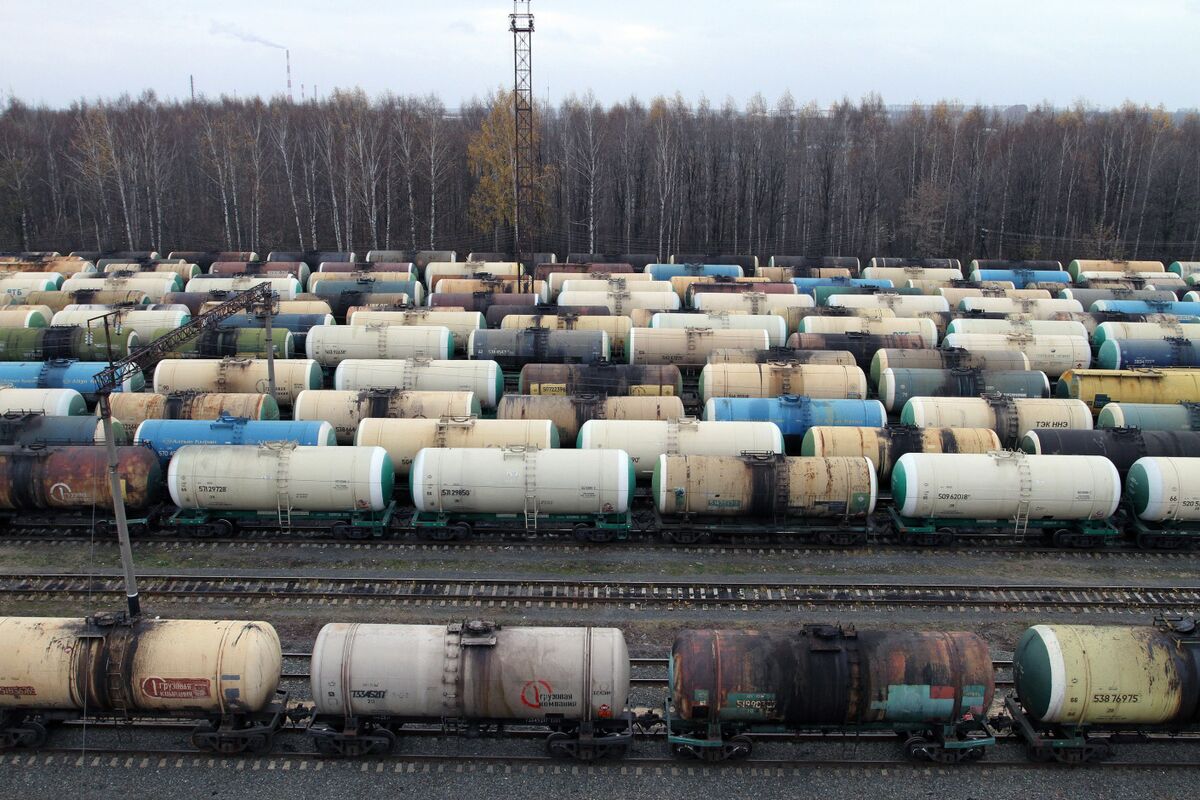
The European Union is nearing agreement on a new price-cap mechanism for Russian oil, proposing to lower the current $60/barrel threshold and implement automatic quarterly revisions based on market prices. This initiative, which has garnered support from previously hesitant maritime nations like Greece, Malta, and Cyprus, aims to further depress Russian oil revenues and maintain economic pressure on Moscow.
The European Union is advancing a proposal to intensify economic pressure on Russia by tightening the existing price-cap mechanism on its oil exports. The plan involves two key modifications: lowering the current $60 per barrel threshold and, more significantly, implementing a dynamic adjustment system that revises the cap automatically every three months based on prevailing market prices. This shift from a static to a responsive cap is designed to systematically reduce Moscow's energy revenues over time. A critical development fueling this initiative is the reported openness of key maritime nations—Greece, Malta, and Cyprus—to the proposal. Their cooperation is essential for effective enforcement and signals a hardening of the EU's collective stance, suggesting the new regime has a credible path to implementation. The moderate market impact score of 0.55 underscores the potential for this policy shift to influence global crude oil flows and pricing dynamics.
AI-powered research, real-time alerts, and portfolio analytics for institutional investors.
Request DemoOverall Sentiment
mildly negative
Sentiment Score
-0.25
