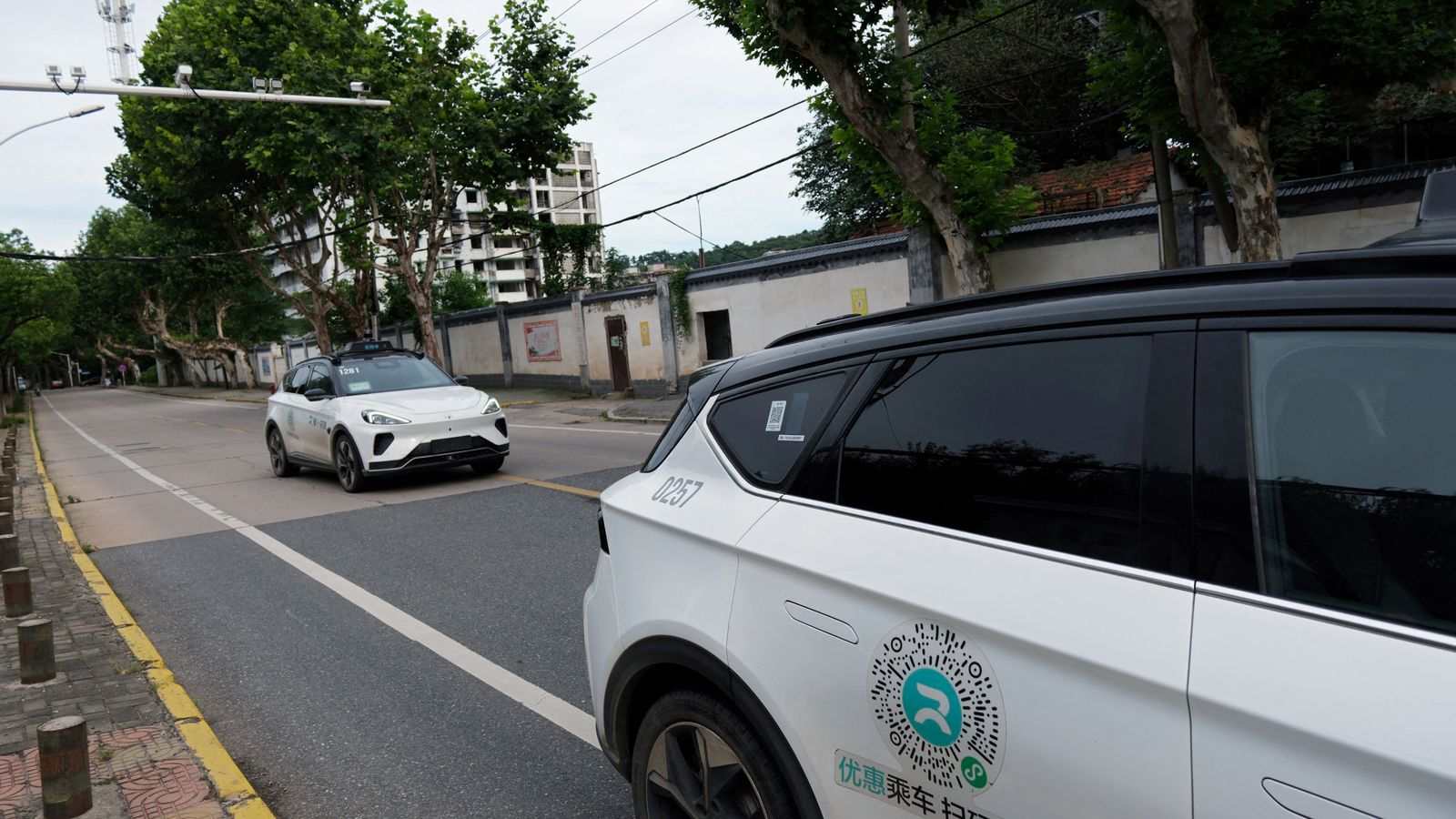
More than 100 Baidu-operated driverless taxis abruptly stopped mid-traffic in Wuhan due to a reported "driving system malfunction", leaving passengers stranded; no injuries were reported. Baidu operates hundreds of robotaxis in Wuhan and this is the first reported mass shutdown in China, raising near-term operational, reputational and regulatory risk and potentially delaying planned international rollouts and partner trials (e.g., Uber/Lyft). Monitor company statements and any regulator action; the incident poses modest downside risk to Baidu shares and heightens scrutiny of the autonomous taxi sector.
The recent operational incident crystallizes a structural risk for the autonomous mobility rollout: common‑mode failures (software/OTA/centralized decision stacks) create outsized reputational and regulatory fragility versus isolated hardware faults. Expect a multi‑month pause in active fleet expansions and a renegotiation of commercial terms with mobility partners as operators demand stronger indemnities and proof points for redundancy and human‑fallback metrics.
Supply‑chain secondaries matter more than headline OEMs. Demand will reallocate toward vendors that can certify ASIL/ISO safety compliance, deterministic fail‑safe compute (on‑vehicle redundancy), and hardened power architectures — a capital cycle that favors incumbents with safety labs and deep certification pipelines, while smaller pure‑software stacks face contract attrition over 6–18 months.
Market impact will bifurcate by horizon: near term (days–weeks) delivers headline-driven price volatility and potential incremental cost guidance hits; medium term (3–12 months) brings regulatory reviews, insurance premium increases, and slower monetization of ride‑hailing automation; long term (1–3 years) could entrench a winner‑takes‑most dynamic where deep‑pocketed platforms consolidate testing access and pricing power. The likely catalyst sequence: regulatory investigations → mandated audits/patch disclosures → contractual rewrites with partners; each is a discrete volatility event to trade around.
AI-powered research, real-time alerts, and portfolio analytics for institutional investors.
Overall Sentiment
mildly negative
Sentiment Score
-0.35
Ticker Sentiment
