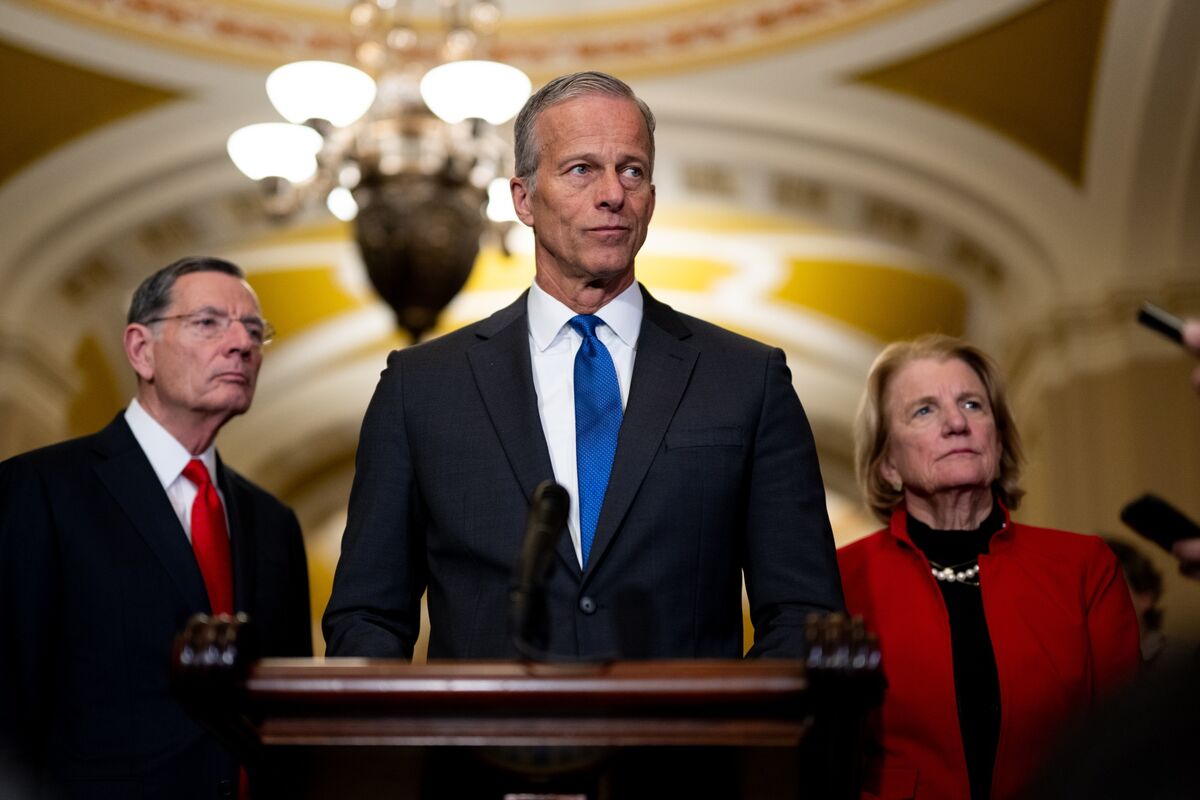
The Senate is commencing closed-door discussions on President Trump's $3.9 trillion tax-cut bill, seeking to make permanent several temporary tax cuts approved by the House, a move that would increase the bill's deficit impact beyond $2.5 trillion. This strategy risks alienating fiscal conservatives and moderates already concerned about the bill's proposed safety-net cuts, potentially complicating its passage.
The U.S. Senate has initiated closed-door negotiations concerning President Trump's proposed $3.9 trillion tax-cut legislation, which narrowly passed the House by a single vote. Senate Republican leaders are reportedly seeking to convert many of the temporary tax cuts within the House bill into permanent measures. This strategic shift, however, is projected to exacerbate the bill's deficit impact, pushing it beyond the initially estimated $2.5 trillion. Such an increase in the deficit poses a significant risk of alienating fiscally conservative members of the party, who are already in disagreement with party moderates over proposed cuts to safety-net programs. The overall sentiment surrounding these developments is moderately negative, reflecting an uncertain legislative path and a market impact score of 0.65, indicating moderate potential market repercussions. The key themes center on fiscal policy, taxation, legislative processes, domestic political dynamics, and sovereign debt considerations, all of which will be critical in determining the bill's ultimate form and economic consequences.
AI-powered research, real-time alerts, and portfolio analytics for institutional investors.
Request DemoOverall Sentiment
moderately negative
Sentiment Score
-0.35
