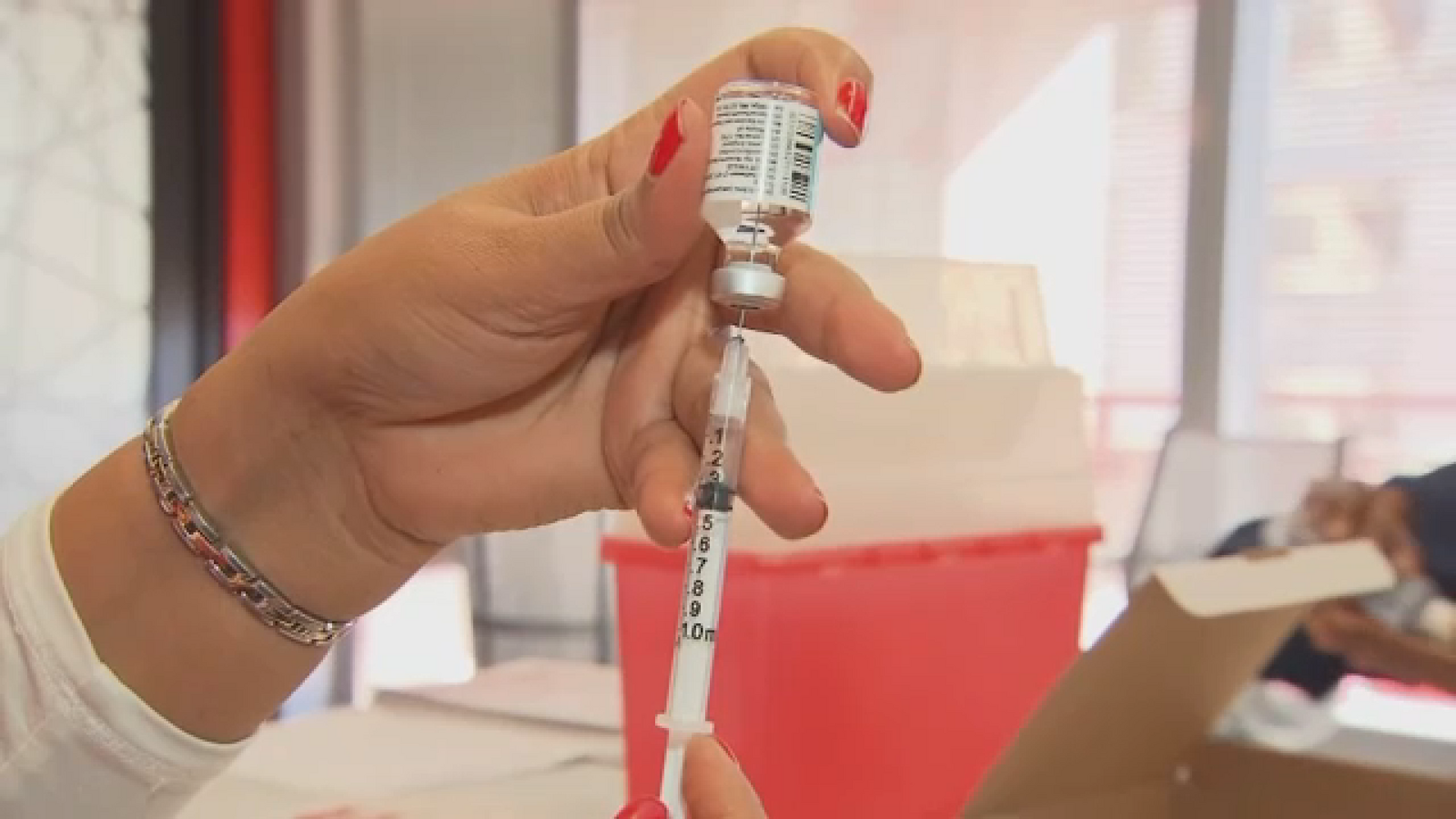
CDC data show positive flu tests have doubled week-over-week to about 15% nationally and nearly 20% in Texas, with Houston reporting roughly 60% of detected cases in children ages 5–17. Health officials warn exposures at recent holiday gatherings mean symptoms can appear quickly, antivirals given within 48 hours can shorten recovery by about two days, and the seasonal vaccine—which provides about 70% protection this season—takes two weeks to reach full effect as flu season continues through March.
Market structure: Rising flu positivity (15% national, ~20% Texas; doubling week-over-week) creates near-term winners: retail pharmacies (CVS, WBA) and diagnostic vendors (QDEL, ABT) from testing, vaccines and antivirals; vaccine makers (SNY, GSK) get incremental seasonal demand but limited pricing power (vaccine protection ~70%). Demand will be concentrated in pediatrics (60% cases 5–17) driving school-related absenteeism; hospital utilization could rise modestly but unlikely to move broad healthcare utilization absent increased severe outcomes.
Risk assessment: Tail risks include an unexpectedly virulent strain or coinfection that materially raises hospitalization (>30% WoW) causing emergency public-health spending and regulator intervention on antiviral pricing; opposite tail is an early natural peak and rapid decline by March. Immediate window (days–weeks) is transactional for testing/vaccine sales; medium-term (months) affects quarterly retail/insurer volumes; long-term (quarters) only impacts if flu vaccine composition or uptake materially changes. Hidden dependency: school closures ripple into consumer discretionary and labor supply, increasing short-term volatility in retail sales data.
Trade implications: Favor short-duration, seasonal plays: long diagnostic/testing exposure and pharmacy retail services for next 4–12 weeks, hedge with limited-risk option structures; avoid long-dated single-stock vaccine exposure unless valuation reflects durable demand. Monitor CDC hospitalization and percent-positive thresholds (20%+ and rising hospitalizations) as triggers to scale exposure; if signals reverse for two consecutive weeks, reduce positions to limit seasonality risk.
Contrarian angles: Consensus underestimates absenteeism impact on Q4/early-Q1 same-store sales and labor costs for retail; conversely, vaccine makers may already price in seasonality so upside is limited — mispricing likely in small-cap diagnostic names where near-term revenues are not fully reflected. Historical parallel: 2018 severe season boosted test/vaccine volumes for 6–12 weeks but delivered transient earnings; plan exits by March unless structural adoption changes occur.
AI-powered research, real-time alerts, and portfolio analytics for institutional investors.
Request DemoOverall Sentiment
mildly negative
Sentiment Score
-0.25
