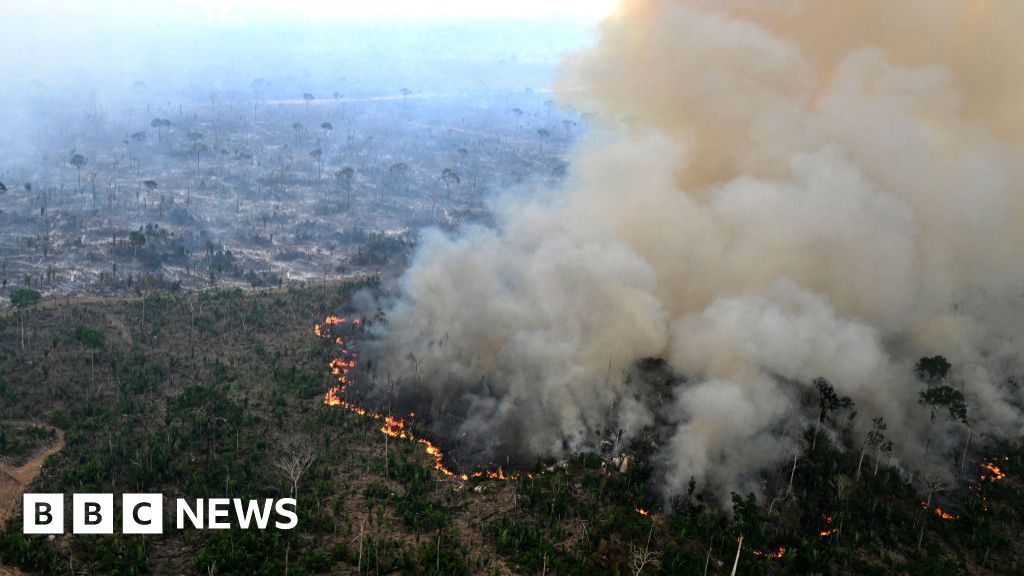
An IPBES assessment, approved by 150 governments, warns that biodiversity loss poses a material business risk and urges companies to shift from harmful practices to nature-restorative approaches; the report notes less than 1% of publicly reporting companies disclose biodiversity impacts. The analysis highlights perverse subsidies that damage nature, widespread confusion over measuring nature-related exposure, and examples like Steart Marshes where integrated conservation farming and engineered flood defenses deliver local resilience and commercial benefits, implying potential regulatory, operational and reputational risks for firms that fail to act.
Market structure: Accelerating corporate focus on biodiversity benefits environmental-engineering, water-utilities and ESG-data providers while increasing regulatory and reputational pressure on intensive agriculture, fertilizer producers and commodity processors. Expect pricing power to shift 6–24 months toward firms that can certify “nature-positive” outcomes (engineering/wetland restoration) and away from producers whose margins rely on subsidized, biodiversity-damaging inputs.
Risk assessment: Tail risks include rapid policy moves (mandatory biodiversity disclosure or subsidy removal) within 12–18 months that could reprice credits and agricultural names by >20% in stressed scenarios. Hidden dependencies include supply-chain exposure to pollinators, soil health and freshwater — non-linear operational shocks to food processors and packaged-goods firms over 2–5 years.
Trade implications: Near-term demand for restoration services and disclosure tooling should lift revenues for engineering firms and ESG data vendors; credit spreads for exposed fertilizer/commodity names may widen. Expect modest commodity demand erosion for NPK fertilizers over multi-year horizon (5–15% structural demand decline scenario); shorter-term volatility around policy announcements creates option entry points.
Contrarian angles: The market underestimates monetization of biodiversity services — wetland/flood-defence projects create tradable revenue streams (flood protection fees, blue carbon) that can re-rate select infrastructure operators. Conversely, investor focus on “nature” could oversell small-cap restoration specialists and underprice consolidation risk (large engineering firms acquiring specialists), compressing small-cap upside.
AI-powered research, real-time alerts, and portfolio analytics for institutional investors.
Request DemoOverall Sentiment
moderately negative
Sentiment Score
-0.40
