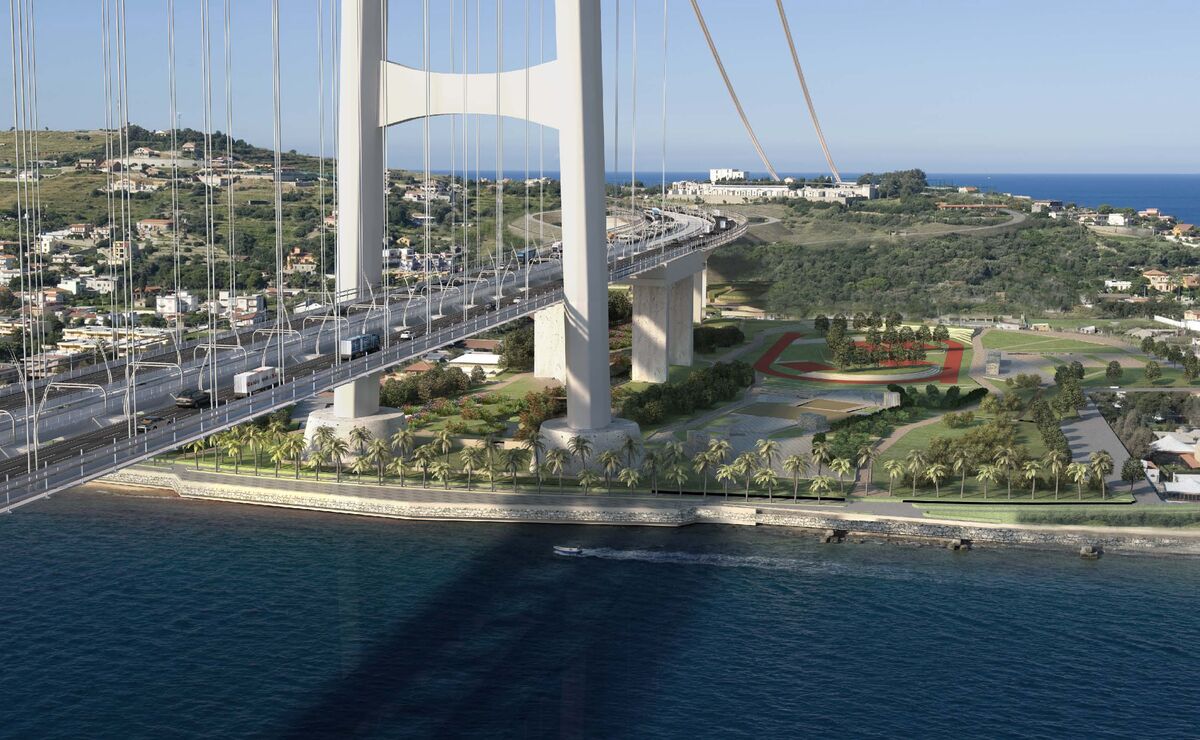
The US has voiced disapproval over European allies, particularly Italy, considering "creative accounting" to meet NATO's defense spending target of 5% of GDP. Italy is reportedly weighing classifying the €13.5 billion Sicily bridge construction as military expenditure, a move the US opposes. This signals Washington's stricter stance on defense spending definitions and underscores the fiscal strain some debt-laden economies face in fulfilling NATO commitments.
The United States is signaling a stricter interpretation of NATO defense spending commitments, creating fiscal and diplomatic challenges for member states. Specifically, US disapproval of Italy potentially classifying the €13.5 billion ($15.7 billion) Sicily bridge project as military expenditure directly challenges a form of 'creative accounting' to meet the new 5% of GDP target. This development highlights the significant fiscal strain on a debt-saddled Italian economy, raising questions about its ability to meet the heightened defense pledge without further compromising its budget. The disagreement underscores a potential rift within the alliance on burden-sharing definitions and puts the viability of major infrastructure projects tied to such accounting methods at risk. This geopolitical friction, combined with Italy's underlying economic stagnation, introduces a new layer of uncertainty for investors evaluating European sovereign risk and fiscal policy trajectories.
AI-powered research, real-time alerts, and portfolio analytics for institutional investors.
Request DemoOverall Sentiment
moderately negative
Sentiment Score
-0.50
