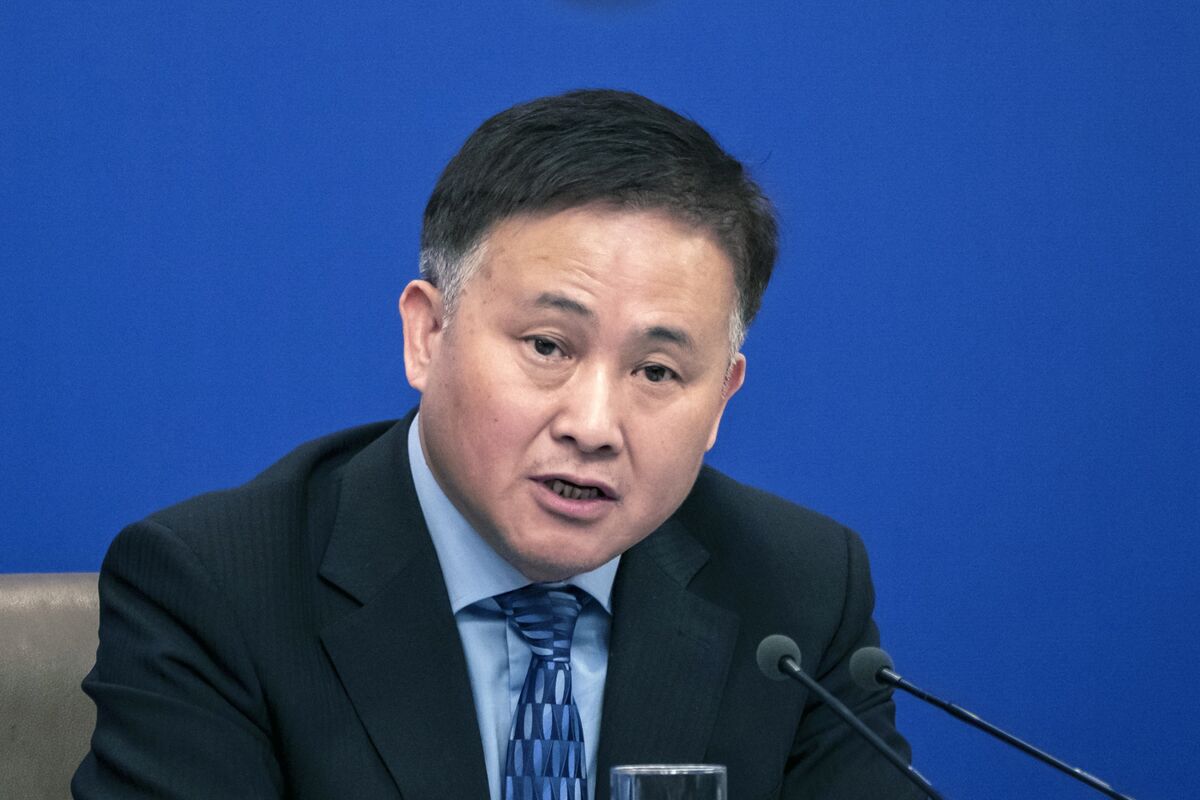
People's Bank of China Governor Pan Gongsheng stated that China's monetary policy, including interest rate decisions, will be guided primarily by domestic economic factors and priorities, rather than being influenced by the US Federal Reserve's recent rate cut. This declaration signals the PBOC's independent approach to monetary policy, emphasizing internal balance and suggesting a potential divergence in policy paths between China and the U.S. despite global monetary shifts.
The People's Bank of China (PBOC) has explicitly signaled its monetary policy independence from the US Federal Reserve. Governor Pan Gongsheng's statement that policy will be guided by "domestic priorities" and the need to balance "internal and external" factors, rather than mirroring the Fed's recent rate cut, confirms a decoupled approach. This declaration underscores that future PBOC interest rate decisions will be contingent on China's specific economic data and conditions. For global macro investors, this reinforces the potential for a significant divergence in policy paths between the world's two largest economies, making Chinese domestic indicators the primary variable to monitor for forecasting PBOC actions. The neutral tone of the announcement suggests this may be a reinforcement of an existing stance rather than a radical new policy, but it serves as a critical clarification in a period of global monetary easing.
AI-powered research, real-time alerts, and portfolio analytics for institutional investors.
Request DemoOverall Sentiment
neutral
Sentiment Score
0.00
