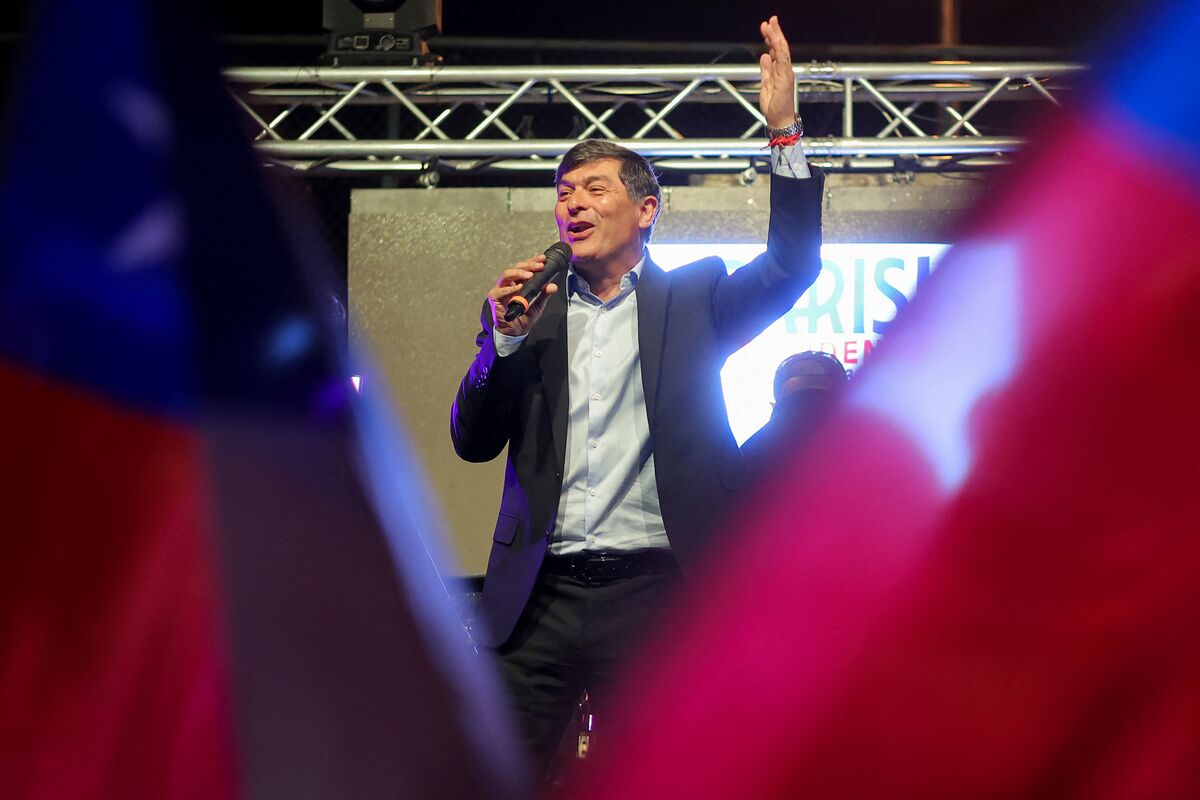
Chile’s presidential runoff will feature two familiar candidates, but a surprise runner-up — described as a volatile outsider — has emerged as a potential powerbroker, complicating the path to forming the next government; his newfound influence could force both frontrunners to reassess coalition strategies and policy positioning.
Chile's presidential contest moved to a runoff after Sunday’s election in which two familiar candidates advanced. The notable development is a surprise runner-up — described as a volatile outsider — who has emerged as a potential powerbroker.
That individual's newfound influence could force both frontrunners to reassess coalition strategies and policy positioning, increasing the complexity of government formation. The article emphasizes that this dynamic muddies the path to the next government rather than producing an immediate realignment.
Signal metrics show mildly negative sentiment (−0.3) and a moderate market-impact score (0.35), implying elevated short-term political risk and potential volatility for Chilean assets — particularly local equities, sovereign bonds and the currency — but not a systemic shock. No corporate tickers were identified in the report, so exposure is primarily through macro/sovereign channels rather than specific firms.
Key risks to monitor are endorsements from the surprise runner-up, shifts in polling, and any explicit policy concessions the frontrunners make to secure coalitions, as these will determine whether uncertainty persists or resolves. Given the information available, tactical Chile-specific adjustments are warranted while broader emerging-market allocations require only modest reassessment until coalition clarity emerges.
AI-powered research, real-time alerts, and portfolio analytics for institutional investors.
Request DemoOverall Sentiment
mildly negative
Sentiment Score
-0.30
