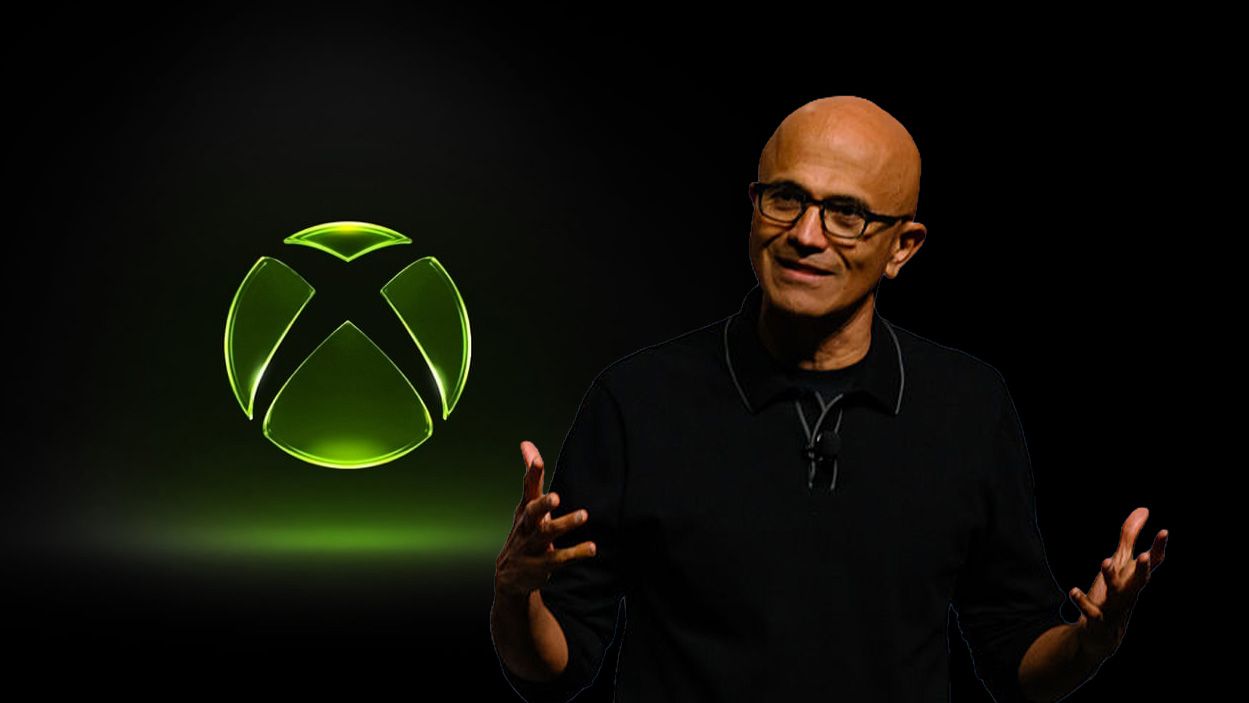
The article argues Microsoft has engineered Xbox's decline by forcing a 30% profit-margin target, cutting hardware inventory, and considering a shift away from hardware toward software. It warns of ongoing pressure from Xbox Game Pass price hikes, potential $80 games, weakened customer service, and reduced Xbox hardware availability ahead of GTA 6. The piece frames Xbox, Windows, and Surface as suffering from Microsoft's short-termism, though it also notes incoming Xbox CEO Asha Sharma is making constructive early moves.
The market implication is not “Xbox dies,” it is that Microsoft is forcing a portfolio mix shift away from low-margin, capital-intensive consumer hardware toward a higher-margin software/distribution model. That is constructive for near-term EPS optics but negative for long-duration ecosystem value: once users migrate off a hardware platform, the reacquisition cost is materially higher than the margin uplift from pushing software onto rival devices. The second-order loser is Windows gaming, because any move that de-emphasizes native Xbox hardware increases the strategic relevance of SteamOS/Android-based alternatives and weakens Microsoft’s control over the gaming funnel. The clearest beneficiary is Sony, not because Xbox weakness automatically creates a durable winner, but because constrained Xbox supply and softer first-party exclusivity remove one of the few reasons to delay PlayStation purchases. That dynamic is most powerful over the next 6-18 months, especially if AAA release cadence stays intact into the next console cycle; the risk is that Microsoft’s margin discipline effectively funds Sony’s share gains at the exact moment premium hardware consumers make multi-year platform decisions. Valve is the more interesting long-horizon beneficiary: if Microsoft keeps signaling that Windows gaming is subordinate to margin targets, SteamOS gets a free strategic push as the “good enough” alternative for PC gamers. The contrarian angle is that the selloff in MSFT may be too simplistic if investors are already overweighting the gaming headline versus the earnings math. A de-emphasis on low-ROIC hardware can be net positive for consolidated margins even if it damages the brand, so the stock reaction should depend on whether management shows restraint on capex and opex across the broader stack. The real tail risk is not one bad Xbox cycle; it is governance contagion if investors start believing Microsoft will repeatedly underinvest in customer experience anywhere it cannot price-to-margin its way out. Catalyst-wise, the next 1-2 quarters matter for inventory and guidance, but the strategic inflection is 12-24 months: if Microsoft keeps starving hardware distribution while competitors lock in gamers, the lost cohort could be permanent. Conversely, a credible multi-year subsidy commitment plus restored channel stock would sharply reduce the bearish thesis and could force a mean re-rating of MSFT’s consumer platform risk.
AI-powered research, real-time alerts, and portfolio analytics for institutional investors.
Request DemoOverall Sentiment
strongly negative
Sentiment Score
-0.72
Ticker Sentiment
