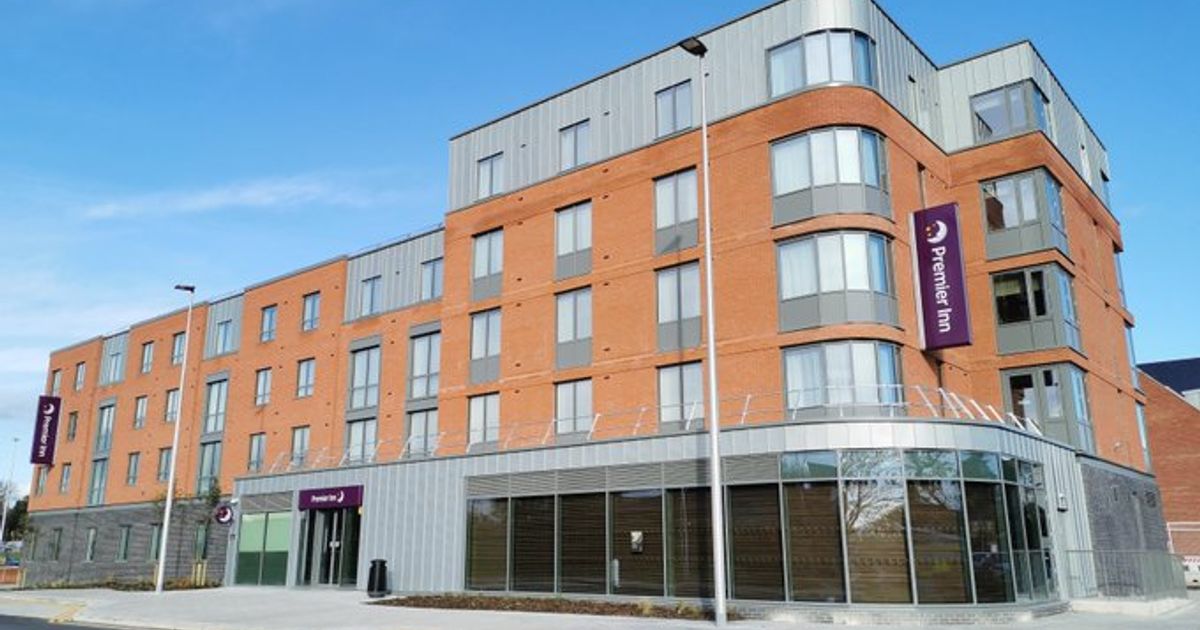
UBS reiterated a 'buy' on Whitbread and raised its 12-month price target to 3,605p after stronger-than-expected trading and improved cost control: UK Q3 revPAR rose 2.5% (vs 2% forecast) and revPAR was up ~4% in the first six weeks of Q4 to 8 January. The group flagged an additional £10m of cost efficiencies and has reduced its expected 2027 business-rate headwind to £35m (from £40-50m), while UBS highlighted strategic options to unlock value including selective UK asset disposals and reallocating capital between the UK and Germany; full-year results and a five-year plan update are due at the end of April.
Market structure: Whitbread (WTB.L) is the direct beneficiary of stronger revpar (+2.5% Q3, +4% early Q4) and £10m cost saves; selective UK asset disposals or re‑allocation from Germany would crystallise latent value and likely compress Whitbread’s equity risk premium. Competitors in the UK midscale/economy segment (e.g., IHG.L’s midscale brands) lose a degree of pricing power if Premier Inn sustains above‑segment revpar, while buyers of real estate (PE/REITs) win if disposal proceeds are recycled into buybacks/dividends. Bond/credit: incremental FCF and lower business‑rates headwind (£35m vs £40–50m prior) should tighten Whitbread credit spreads and reduce market‑implied leverage risk; a German asset sale would move euros into sterling, mildly supporting GBP vs EUR on net flows.
Risk assessment: Tail risks include a failed or contested German disposal (political, tax or regulatory hurdles), a UK recession compressing revpar >10% and reversion of operating leverage, or industrial action at scale; each would hit EBITDA by mid‑teens percent. Immediate (days) volatility centers on UBS reiteration and any market repricing; short term (weeks–months) key catalyst is full‑year results + five‑year plan at end‑April; long term (quarters–years) execution of cap‑allocation and return‑of‑capital decisions drives valuation. Hidden dependencies: continued outperformance relies on sustained tourism/business travel and favourable business‑rates settlement; second‑order effects include capital allocation crowding out German growth if buybacks prioritized.
Trade implications: Direct play: constructive long in WTB.L into April results to capture rerating optionality from disposals/capital returns; pair‑trade with IHG.L to isolate company‑specific optionality. Options: use limited‑cost bullish call spreads expiring May 2026 to capture upside to UBS PT 3,605p while capping premium. Sector: rotate modestly from high‑leverage hotel REITs into operating names with pricing power; primary catalyst windows are April results and any disposal announcement within 90 days.
Contrarian angles: Consensus may underprice the optionality of selective UK disposals and lower business‑rates hit—these two items alone could add several percent to EPS through buybacks/dividend flexibility, yet market often waits for concrete capital‑allocation actions. Conversely, the market may overvalue a full German exit; if management chooses selective or minority sales only, upward rerating will be muted and disappointment risk is real. Historical parallel: prior operator restructurings rerated only when proceeds were explicitly earmarked for buybacks; expect the same conditionality here.
AI-powered research, real-time alerts, and portfolio analytics for institutional investors.
Request DemoOverall Sentiment
moderately positive
Sentiment Score
0.48
Ticker Sentiment
