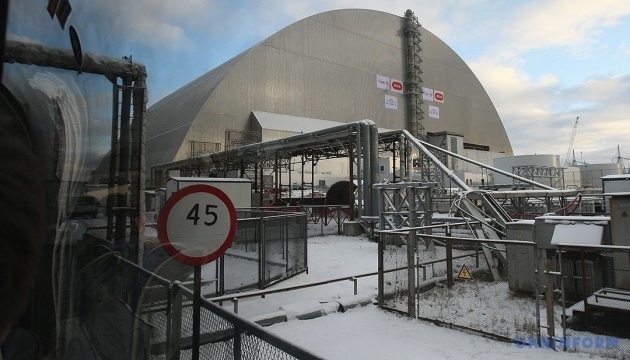
IAEA Director General Rafael Grossi reported that IAEA teams detected approximately 50 drones near Ukrainian nuclear power plants (44 at Chornobyl and 8 at Rivne) amid renewed attacks on Ukraine’s power grid that cut cross-border transmission lines and caused cascading outages. One nuclear unit disconnected and shut down due to voltage fluctuations, other units reduced output, and Chornobyl relied on emergency diesel generators for about an hour; the IAEA has teams assessing damage at 10 key substations and says large-scale repairs are needed to bolster resilience. The incidents and reported surge in strikes (Ukraine alleges Russia launched ~1,700 drones, 1,380 guided aerial bombs and 69 missiles in a week) raise operational and security risk for Ukrainian energy assets and could pressure regional energy risk premia and firms exposed to reconstruction and grid repair work.
Market structure: The immediate winners are defense and counter-drone/ISR suppliers and large-scale grid-resilience contractors; losers are regional utilities, Ukrainian/European power retailers and insurers underwriting nuclear/energy assets. Expect 6–18 month reallocation: defense primes (RTX, LMT, NOC) gain pricing power from incremental procurement budgets (~mid–double digit increases in targeted programs), while merchant power generators face margin pressure from interrupted supply and higher balancing costs. Commodities: short-term upside pressure on European gas (TTF) and power spark spreads (+10–40% shock scenarios), supporting LNG exporters.
Risk assessment: Tail risks include a major nuclear incident (low probability, catastrophic) or escalation that shuts >30% of Ukrainian grid capacity for months—this would spike regional power volatility and sovereign/emerging-market risk premia. Immediate (days): risk-off in EM and equities, +flight-to-quality; short-term (weeks–months): energy price shock and defense order flows; long-term (quarters–years): accelerated capex in grid hardening and decentralized generation. Hidden dependencies: Western aid disbursement timing, insurance exclusions, and supply-chain bottlenecks for semiconductors in counter-drone systems.
Trade implications: Tactical longs in defense primes and grid-equipment names, and directional exposure to European gas/LNG are warranted; hedge with duration and volatility instruments. Use relative-value: long defense vs short select European merchant utilities with Ukraine exposure. Options: buy-dated call spreads around 3–9 months to capture policy-driven procurement without paying for open-ended volatility.
Contrarian angles: Consensus may underweight non-U.S. names that actually win European reconstruction contracts (Schneider SU.PA, ABB.N) — these could rerate once multi-year contracts (>€1bn) are tendered. The knee-jerk safe-haven rally could be overdone; if IAEA-mitigations and EU funding arrive in 60–120 days, cyclical names may rebound and defense alpha could mean-revert. Monitor IAEA sortie counts, EU aid tranches (>€3bn), and TTF >+30% as reversal/acceleration triggers.
AI-powered research, real-time alerts, and portfolio analytics for institutional investors.
Request DemoOverall Sentiment
strongly negative
Sentiment Score
-0.55
