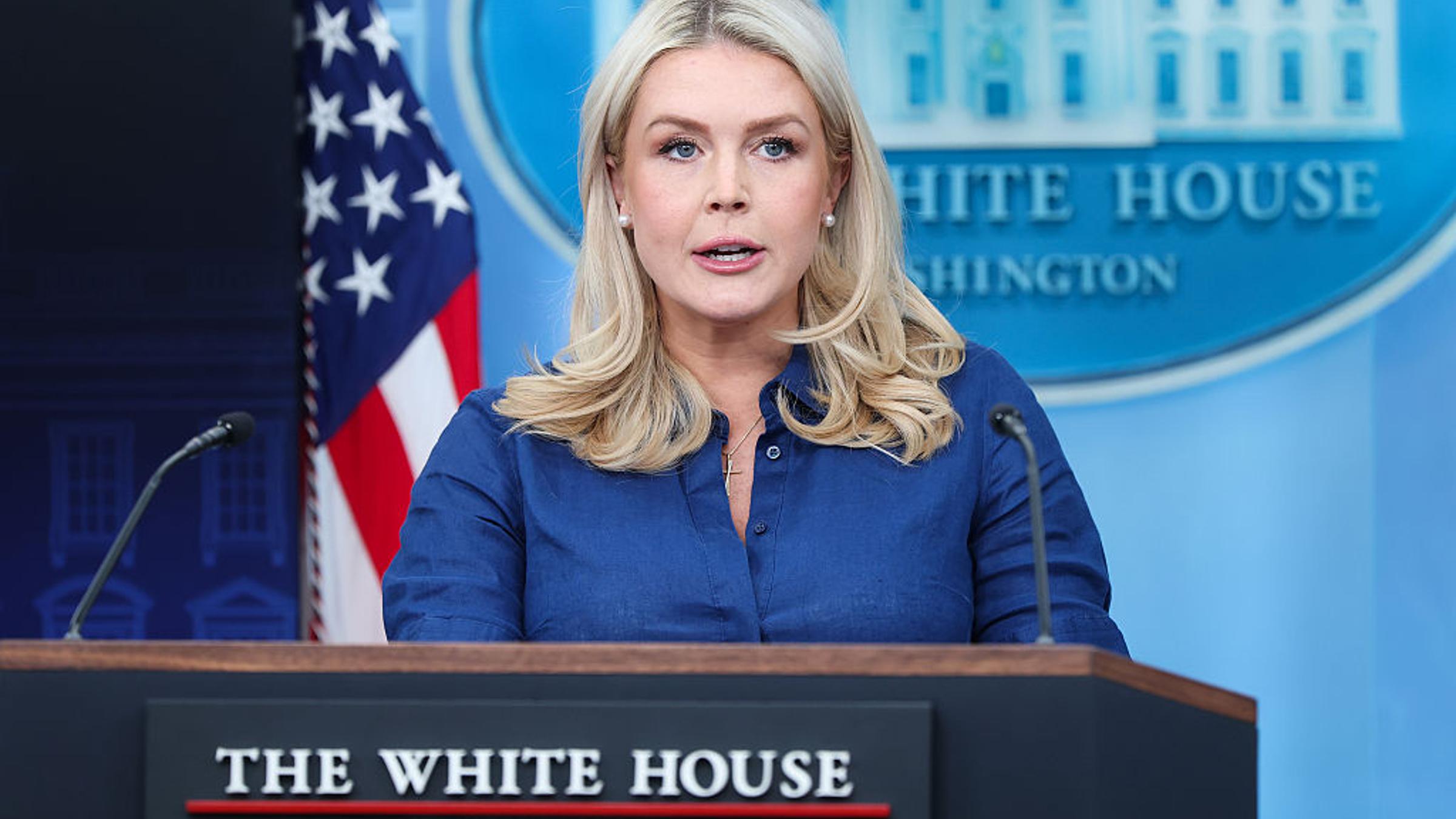
Ceasefire announced between the U.S. and Iran with U.S. negotiators (led by VP JD Vance) set to meet Iranian officials in Islamabad on Saturday; the U.S. reports it conducted 450 strikes on ballistic missile facilities and 800 strikes on drone facilities, destroying elements of Iran’s naval forces (150 vessels) and 5,000 naval mines. The White House denies the Strait of Hormuz was closed but demands it be reopened, and says the U.S. rejected Iran’s initial 10-point proposal before accepting a modified one as a "workable basis;" Iran has not agreed to stop missile development, arming proxies, or nuclear plans. Market implication: if the strait remains open near-term oil and shipping risk is reduced, but unresolved strategic issues keep elevated regional risk and potential market volatility.
What markets are pricing as a temporary diplomatic pause is more likely a multi-stage political process with asymmetric time horizons: near-term volatility in maritime risk premia and oil/insurance markets measured in days-to-weeks, and a multi-year strategic shift in regional defense spending and shipbuilding as assets destroyed or disabled are replaced and doctrines adjusted. Expect market participants to underweight the non-linear cost of rerouting and insurance blowouts that compound through freight rate curves — a single sustained war-risk surcharge of $20-40k/day on VLCCs compounds into meaningful margin compression for refiners and route-dependent exporters within 2-6 weeks.
Second-order winners include specialty marine insurers, shipowners with modern, fuel-efficient tonnage and western defense primes tasked with repairs/upgrades; losers include short-cycle tanker charterers, regional flag registries dependent on high-throughput transits, and sovereign buyers of spot LNG/condensate. Port operators in the Gulf of Oman and alternative transshipment hubs in the UAE/Oman will bid for displaced tonnage and could capture 5-10% incremental throughput fees over the next 6-24 months as routes and contracts reconfigure.
Key catalysts to watch with tight timing: the Islamabad negotiations (72 hours) and any credible, verifiable reopening of commercial traffic — these will compress volatility and insurance spreads quickly; conversely, proxy attacks that leave navigation lanes formally impassable will keep premiums elevated for quarters. Structural reversal risks include a negotiated long-term maritime security framework that reins in insurance premiums (60-180 days) or an unexpectedly quick restoration of tanker capacity via charter rebalancing, which historically knocks freight rates down by 30-60% inside 1-3 months.
Monitor policy signal quality rather than headlines: politically linked negotiation teams raise tail risk of domestic-policy-driven reversals (election calendar spillover), which increases chance of sudden shifts in sanction enforcement or escalation. That means trade sizing should favor instruments with controlled downside (options, short-dated spreads, or equity pairs) over large directional cash exposure until the negotiation outcomes are verifiably durable over 90+ days.
AI-powered research, real-time alerts, and portfolio analytics for institutional investors.
Request DemoOverall Sentiment
mixed
Sentiment Score
0.00
