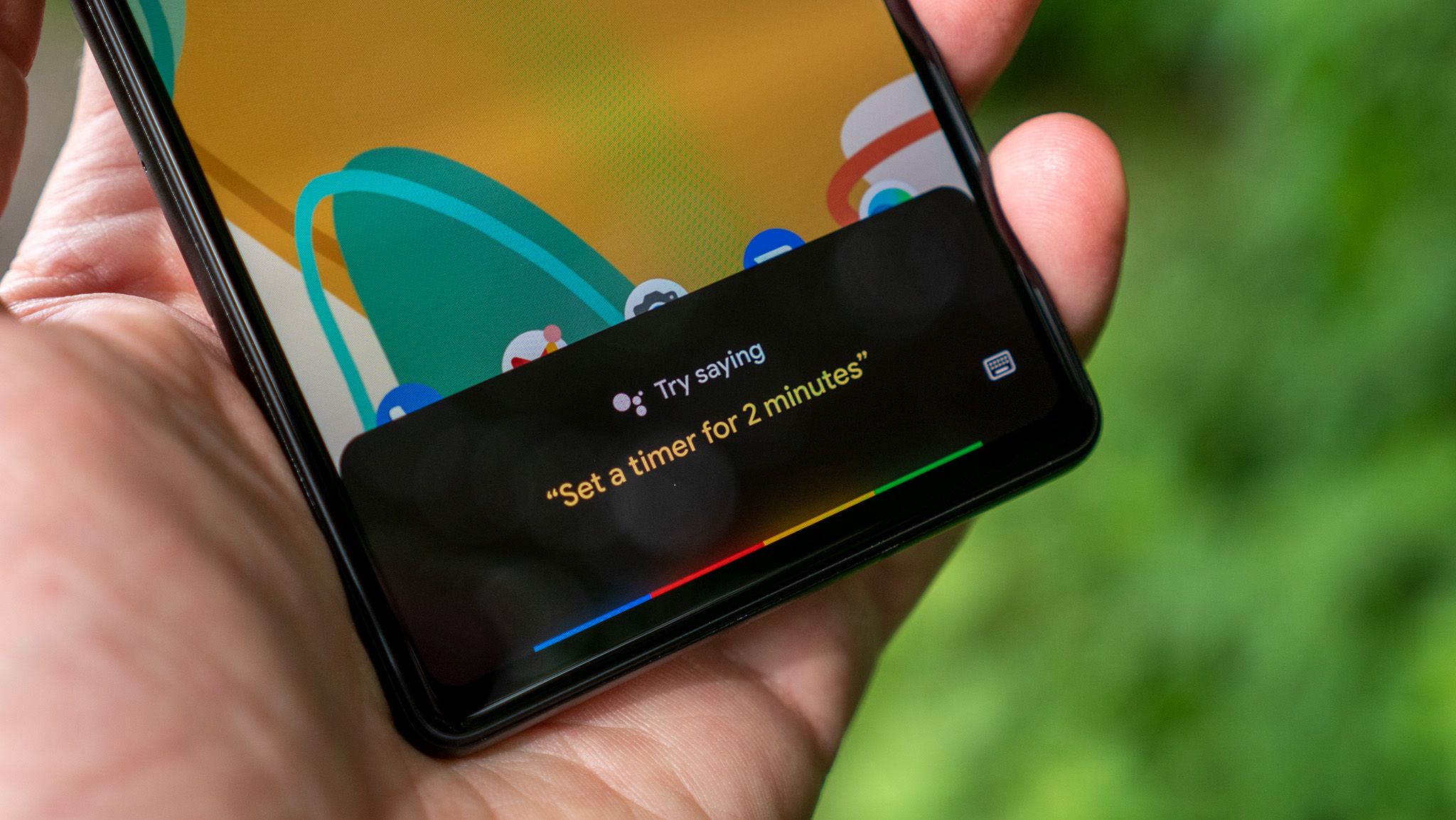
Google announced an adjustment to its previously stated plan to retire the legacy Google Assistant by the end of 2025, saying the company will instead transition users to its Gemini assistant in 2026 to ensure a seamless migration across mobile and other devices. The change delays the end-of-life timetable announced in March and preserves the Assistant on devices into 2026, with Google promising further details in the coming months; the move appears operationally cautious and has limited near-term financial implications for Alphabet but signals a paced rollout of Gemini across the Android ecosystem.
Market structure: The delay to 2026 reduces immediate conversion risk but slows synergy-driven monetization (search + Gemini) by ~6–12 months, favoring infrastructure suppliers (NVDA, Google Cloud) and OEM partners who get more time to integrate. End-consumer platforms (third‑party assistant apps) and any short-term monetization plays lose optionality; pricing power for Google’s ad/search stack is likely intact but shifted later into FY2026.
Risk assessment: Tail risks include a regulatory action (EU/US) that could impose constraints or fines >$1B, and an operational failure at rollout that could shave 200–400bp off ad growth for a quarter. Immediate market impact is likely muted (days), with sentiment volatility over weeks–months around product updates; material revenue effects live in quarters→2026. Hidden dependencies: OEM partnerships, mobile battery/latency constraints, and incremental cloud compute costs that could compress margins if capex rises >5–10% year-over-year. Key catalysts: Google roadmap updates (next 3–6 months), Pixel/Watch launches, and AI regulatory milestones (6–12 months).
Trade implications: Long GOOGL exposure captures upside if Gemini integration succeeds; hedge limited execution risk via 12‑month put protection. Parallel long semiconductor exposure (NVDA) benefits from sustained model training/inference demand through 2026; rotate away from small consumer- IoT plays that depend on legacy Assistant monetization. Options: use capped call spreads or LEAPS to limit premium decay given uncertain timing.
Contrarian angle: Market may underweight the value of a cautious, phased transition — a delayed but smoother 2026 rollout could materially reduce churn and increase ARPU long-term, creating outsized upside if Google avoids a botched switch. Conversely, the delay hands competitors a ~12‑month window to strengthen AI alternatives; re-rate triggers: if Google discloses incremental AI capex >$500M or misses ad growth by >300bp, reassess positions within 30 days.
AI-powered research, real-time alerts, and portfolio analytics for institutional investors.
Request DemoOverall Sentiment
neutral
Sentiment Score
0.05
Ticker Sentiment
