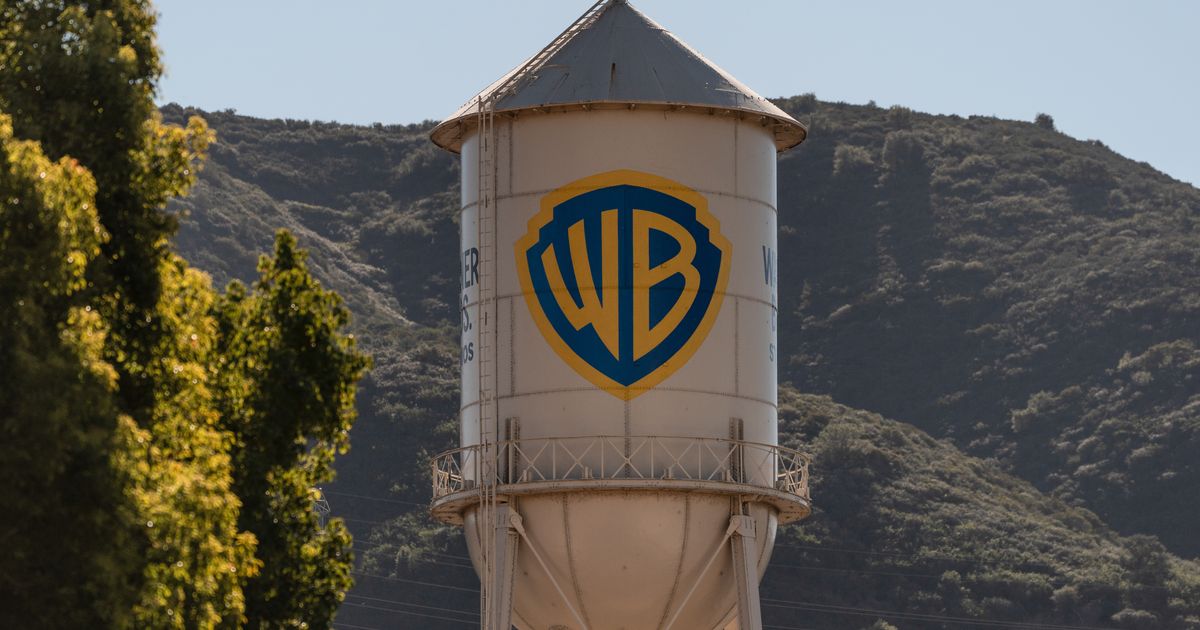
Warner Bros. Discovery disclosed it is reviewing a revised takeover proposal from Paramount while continuing to recommend Netflix’s competing bid to shareholders; Paramount’s all-cash hostile bid was earlier reported at $77.9 billion (about $30 per share, ~ $108 billion enterprise value including debt), while Netflix’s offer targets Warner’s studio and streaming assets for $72 billion in cash (about $83 billion including debt). Warner shareholders are set to vote on the Netflix proposal on March 20, and if the board deems Paramount’s offer superior Netflix may have the opportunity to match or revise, potentially triggering a bidding war; the transaction faces heightened antitrust and regulatory scrutiny from the DOJ and foreign regulators.
Market structure: A Paramount takeover of WBD would compress the “major studio” count (combine two of five), concentrating high-value IP (HBO, Warner library) and theatrical/networks under one owner and materially raising bargaining power with distributors and advertisers. A Netflix win would vertically integrate global SVOD with owned studio content, increasing NFLX’s content control and potentially lifting its gross margin by 200–400bps over 12–24 months if licensing outflows fall. Winners: owners of large libraries (WBD buyers), buyers of ad inventory (GOOGL as advertising beneficiary if SVOD tilts ad-supported). Losers: independent studios, smaller streamers facing higher entry barriers and potential price pressure.
Risk assessment: Key tail risk is regulatory block or mandated divestitures — estimate 30–55% chance of significant DOJ/foreign restrictions given news and political scrutiny; that would punish acquirers’ stock and drive extended litigation (6–12+ months). Near-term (days): elevated equity and option IV into the Mar 20 WBD shareholder vote; short-term (weeks–months): regulatory filings and potential Netflix matching; long-term (quarters–years): market consolidation or fragmenting remedies that change revenue synergies. Hidden dependencies include required political concessions (news network ownership) and financing risk at Paramount if its bid financing is levered.
Trade implications: Event-driven trade — establish a modest long WBD equity stake (2–3% portfolio) into the Mar 20 vote to capture deal optionality, hedged with NFLX exposure: buy a 3–6 month NFLX 10–15% OTM put spread (size 50–75% of WBD notional) to limit downside on an NFLX regulatory surprise. Buy WBD near-term straddle or put-heavy collar if IV is <40%; if IV >50%, prefer directional call-spread (buy 0–15% ITM / sell 30–45% OTM) to cap premium. Reduce long media beta and rotate 1–2% into GOOGL as a defensive ad-revenue play if regulatory headlines turn negative for acquirers.
Contrarian angles: Consensus focuses on headline acquirers; underappreciated is the value of carved-out assets — regulators may force divestiture of CNN/theatrical, creating spin-off arbitrage worth 10–20% of WBD equity value in a block sale. History (AT&T/TimeWarner) shows protracted remedies but eventual approval with conditions — price action will be choppy and mispriced IV affords cheap long-vol opportunities. If Netflix wins, watch ad-tier monetization: a rapid shift could benefit GOOGL’s YouTube ad inventory (upside case >5–10% over 12 months); if deals fail, small-cap content owners will be cheapest and may become buyout targets.
AI-powered research, real-time alerts, and portfolio analytics for institutional investors.
Request DemoOverall Sentiment
neutral
Sentiment Score
0.00
Ticker Sentiment
