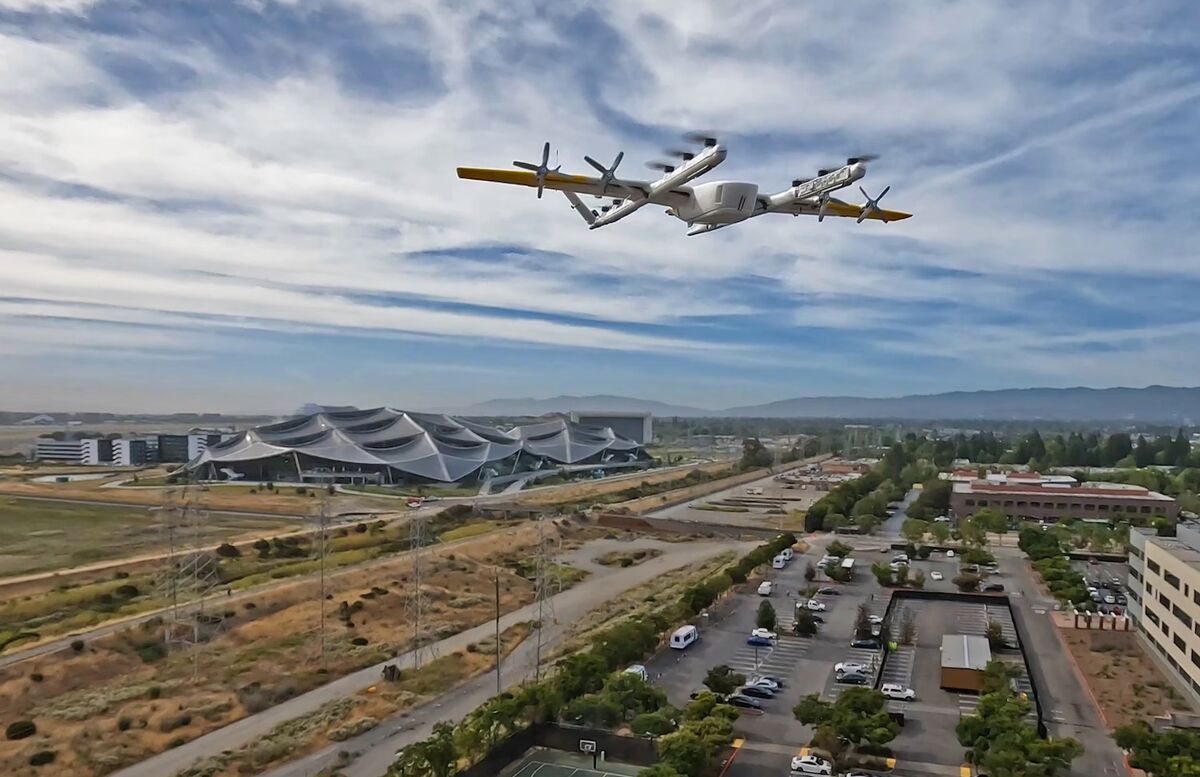
Alphabet's drone unit Wing will begin home parcel deliveries in the San Francisco Bay Area this year, its first consumer rollout in the company's home market; partners include Walmart and DoorDash and Wing already operates in North Carolina, Virginia and Australia. The company gave no launch date or specific cities, so near-term revenue or operational impact is likely limited.
Alphabet’s in-house hardware + software stack creates a non-linear optionality: if Wing achieves route density in dense suburbs, the company can convert a fixed R&D expense into a recurring logistics margin stream that scales across multiple verticals (grocery, pharmacy, small retail). At scale this shifts economics: industry last‑mile cost benchmarks sit roughly $8–12 per stop today; drones targeting single‑digit per‑delivery economics would reprice margin capture for retailers and reduce variable fulfillment costs by a material percentage, but only after ~2–5 years of deployment and regulatory normalization.
Second‑order winners include vertically integrated retailers with dense store footprints and predictable SKU mixes — they can densify take rates and shorten fulfillment loops without capex in new dark stores. Incumbent couriers and marketplace couriers face two pressures simultaneously: margin compression on lightweight parcels and higher CAPEX to retrofit networks for hybrid drone-to-van flows, a dynamic that favors asset-light software/platform players or retailers that internalize fulfillment.
Primary risks are regulatory/weather/public‑acceptance and operational shocks. A single high‑profile accident or adverse municipal rulings could pause urban operations for 6–12 months and materially delay unit‑economics inflection; conversely, a favorable FAA urban‑flight ruling or one large national retail contract could compress commercialization timelines to 12–24 months. Payload and density constraints (sub‑5 lb, short radius) mean drones will cannibalize only a subset of last‑mile volumes, so margin impacts will be lumpy and concentrated in high‑frequency SKUs rather than broad parcel flows.
AI-powered research, real-time alerts, and portfolio analytics for institutional investors.
Overall Sentiment
neutral
Sentiment Score
0.00
Ticker Sentiment
