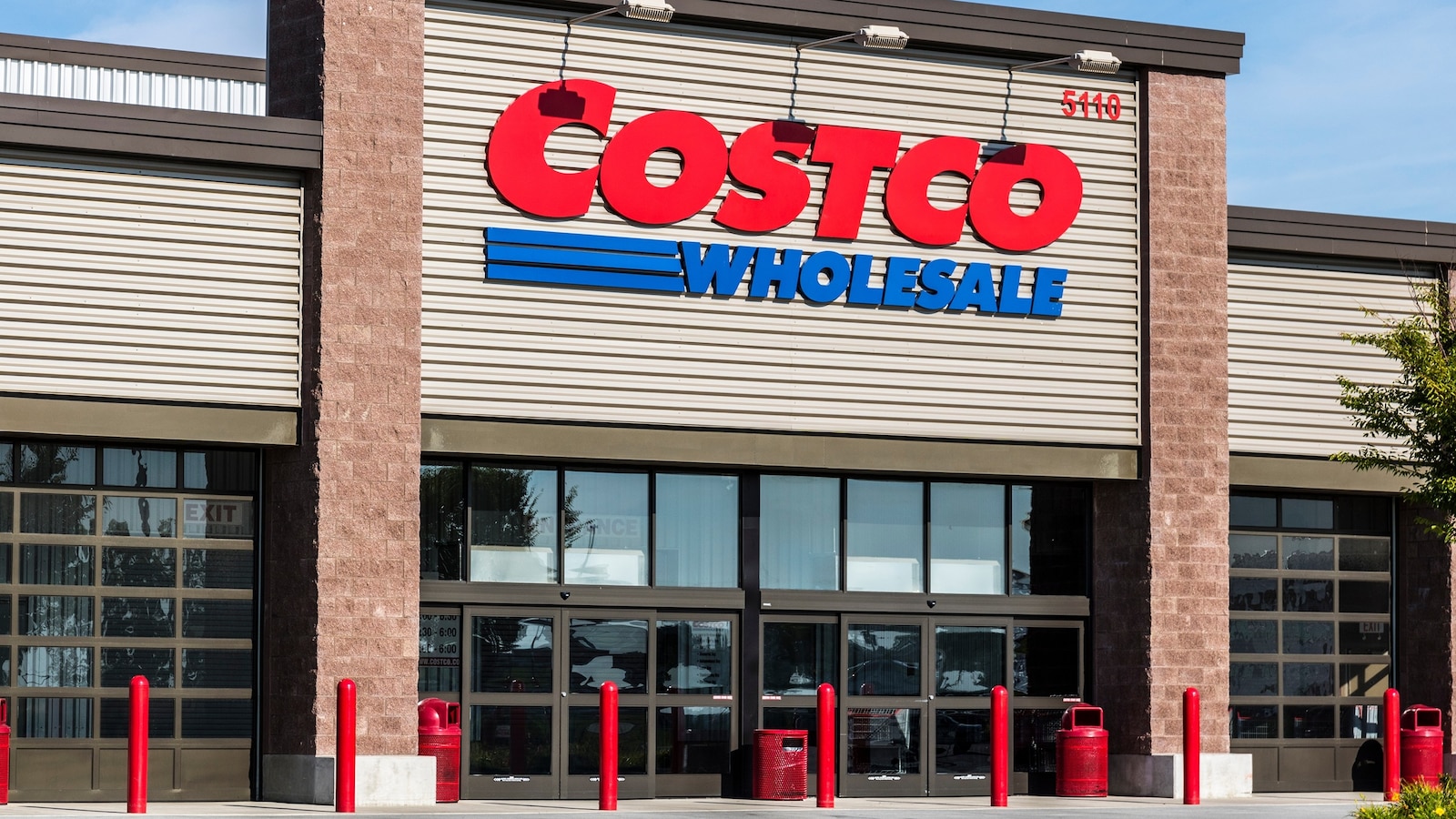
Major U.S. grocery and warehouse retailers have published adjusted holiday hours: Costco, Trader Joe's, Sam's Club, Kroger banners, Publix, Target, Walmart and Whole Foods generally operate reduced hours on Christmas Eve and are closed on Christmas Day, while New Year's Eve/New Year's Day hours vary by chain (e.g., Costco and many Whole Foods locations close on New Year's Day; Kroger brands often remain open). These are operational schedule changes that affect short-term store traffic and staffing patterns but carry negligible implications for fundamentals or investor positioning across the listed retailers.
Market-structure: Holiday-hour policies concentrate last-minute food/beverage demand into narrow windows (24–72 hours pre-Christmas), favoring retailers with extended pre-holiday hours, deep SKUs and strong in-store pickup (WMT, KR). Destination, membership formats (COST) lose marginal impulse-basket sales on closed holidays; impact is short-duration but shifts higher-margin add-on sales to a different day and channel. Competitive dynamics: Retailers with denser store networks and extended hours can steal share on incremental holiday spend; expect +50–150bps SSS advantage for stores staying open longer over comparable periods. Supply/demand: Logistics see predictable demand-peaks—warehousing and last-mile capacity utilization up ~10–20% vs baseline—raising short-term fulfillment costs but not structural shortages.
Risk assessment: Tail risks include a localized weather event, a logistics strike, or accelerated union actions that could close stores over successive holidays causing 1–3% quarterly revenue hits for exposed chains. Immediate (days) effect: concentrated revenue timing and transient margin compression; short-term (weeks/months): inventory and promo cadence adjust; long-term (quarters) only changes if labor or operating-hour legislation emerges. Hidden dependencies: e-commerce/curbside pickup and payroll schedules determine realized gains; stores open with insufficient staff may incur higher shrink and service failure. Catalysts: weekly SSS reports, state-level labor rulings, and weather models can accelerate or reverse share shifts.
Trade implications: Favor grocery operators with broad banners and flexible hours. Tactical: overweight KR and WMT for defensive holiday resilience; selectively underweight COST for potential lost impulse sales and slightly higher holiday operating leverage. Options: use short-dated call spreads on KR/WMT into Jan earnings to capture upside from stronger-than-expected holiday SSS; consider protective collars for COST if holding long. Sector rotation: modest shift (5–10% tilt) from specialty/destination (COST) to broad grocery/discount (KR, WMT) into Jan-Feb retail data releases.
AI-powered research, real-time alerts, and portfolio analytics for institutional investors.
Request DemoOverall Sentiment
neutral
Sentiment Score
0.00
Ticker Sentiment
Contrarian angles: Consensus underweights the role of store-hours-driven channel shift to digital pickup—beneficiary names may include not just physical grocers but software/logistics providers (non-covered here). The market may over-penalize COST for one-day closures; historically Costco recovers with higher average basket size in subsequent visits (past three years show post-holiday basket increases ~3–5%). Unintended consequence: extended hours increase hourly wage bills—if wage inflation >150bps vs plan, margin compression will be larger than revenue gains.
