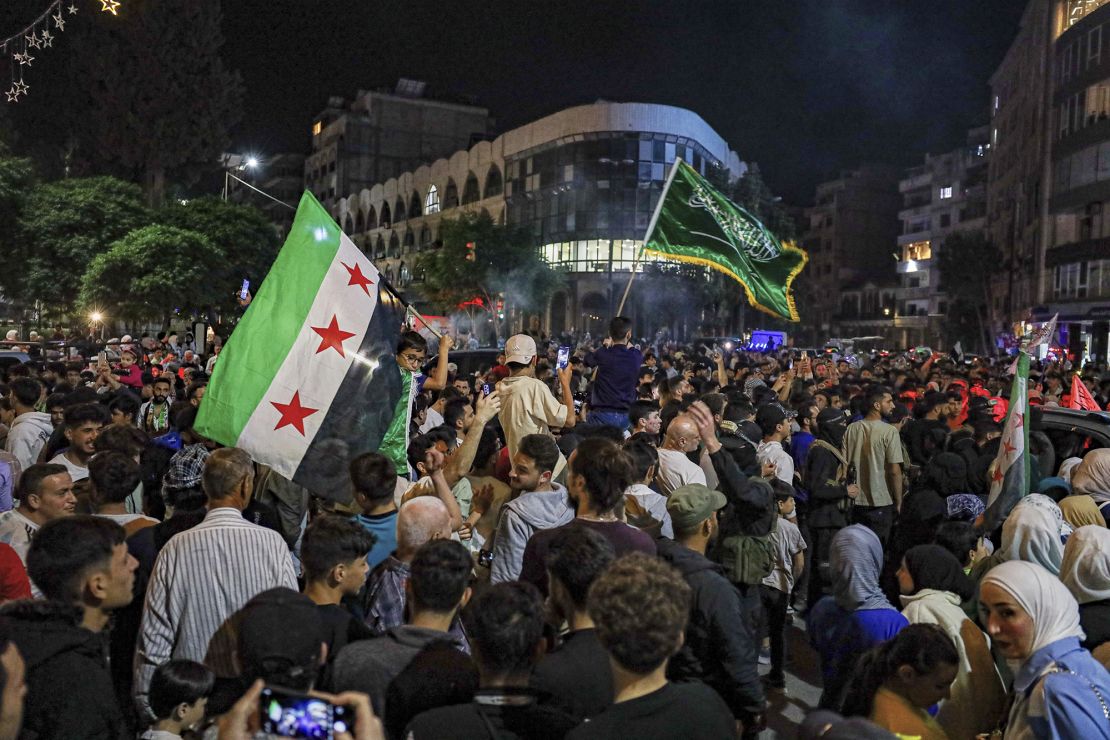
President Trump's recent announcement of lifting US sanctions on Syria, following discussions with Saudi Arabia and Turkey, marks a significant policy shift despite objections from Israel and some US officials. The administration plans to issue waivers and potentially repeal the sanctions law to encourage investment, contingent on Syria's progress in counterterrorism, chemical weapons destruction, and inclusive governance. However, the move faces internal skepticism and complex implementation challenges, including concerns about the interim Syrian President's past and the potential for regional instability.
The Trump administration's decision to lift US sanctions on Syria, announced during President Trump's Middle East trip, signifies a substantial policy recalibration with potential to reshape regional dynamics. This move, developed through months of quiet diplomatic engagements with the new Syrian leadership under interim President Ahmed al-Sharaa and strongly supported by Saudi Arabia and Turkey, proceeded despite significant concerns voiced by Israel regarding regional security implications, which President Trump admittedly did not solicit. The implementation strategy involves the US Treasury issuing sanctions waivers via general licenses for broad economic sectors critical to Syria's rebuilding, a process described as technically complex and expected to take weeks, with a longer-term aspiration to repeal the sanctions law if sufficient progress is made by Syria. Key conditions for this relief include Syrian cooperation on counterterrorism, destruction of remaining chemical weapons, and movement towards an inclusive government. However, the policy faces internal US skepticism, with figures like Sebastian Gorka expressing reservations about al-Sharaa's past, and Secretary of State Marco Rubio emphasizing that normalization will be a protracted process, stating, "it’ll be a long road." The swiftness of the announcement reportedly outpaced working-level preparations, and while proponents anticipate economic revitalization in Syria and enhanced regional stability, the path forward is fraught with complexities, including concerns over the new Syrian leader's ability to deliver on US expectations and warnings, such as from Jordan's King Abdullah, about potential renewed civil conflict if leadership stability is compromised.
AI-powered research, real-time alerts, and portfolio analytics for institutional investors.
Request DemoOverall Sentiment
Neutral
Sentiment Score
0.10
Ticker Sentiment
