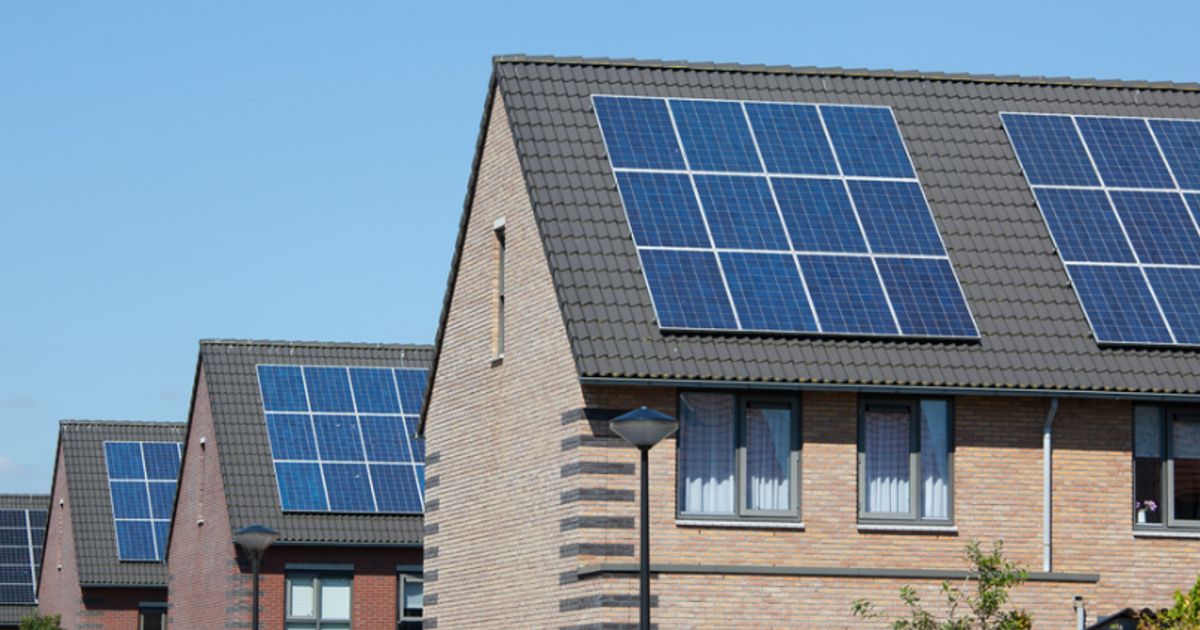
Active Energy Group is positioning for diversified growth across lower‑carbon fuels, renewables and energy‑intensive digital infrastructure. Key developments include CoalSwitch commercialisation plans with Indigenous Canadian Energy for a Polish pellet facility, a 30MW UK rooftop solar pipeline and a 25‑year PPA worth £0.83m with Cambridge City FC, and a planned battery project at Fornan Castle. In the UAE the company has a development pipeline of up to 300MW of high‑performance computing/data centre capacity, with an initial 8MW facility due to be commissioned by mid‑Feb 2026 that is 60% pre‑sold and forecast to generate ~$3.8m of annualised revenue at roughly 50% gross margin; cash flows are expected to fund a further 25MW expansion. The group has also allocated ~30% of working capital to a diversified crypto treasury and may use excess mining capacity to mine/hold bitcoin, subject to governance and risk controls.
Market structure: Active Energy (AIM:AEG / OTC:ATGVF) is pursuing three distinct revenue vectors—CoalSwitch pellets, rooftop solar + BESS, and UAE HPC/crypto data centres—creating optionality across commodity and tech cycles. The 8MW phase implies ~$3.8m annualised revenue (≈$0.475m/MW) at ~50% gross margin, a high-margin signal if utilisation holds; direct beneficiaries include niche pellet suppliers, rooftop-solar developers and global data‑centre REITs (EQIX, DLR), while thermal coal producers (e.g., BTU, ARCH) face structural demand loss. Pricing power will be local and project-specific — pellets and contracted PPAs can command premiums and predictable cashflows, but scale and certification will determine market share.
Risk assessment: Key tail risks are a crypto price shock (>-60% drop) that impairs 30% working‑capital crypto allocation, EU/UK biomass sustainability rule changes that restrict pellet exports, and operational delays (UAE commissioning slip >45 days). Time horizons: immediate (days) — share moves on pre‑sales/commissioning headlines; short (weeks/months) — first quarter utilisation and revenue recognition; long (quarters/years) — scaling to a 300MW pipeline and CoalSwitch commercialisation. Hidden dependencies include FX (GBP vs USD/PLN), JV execution in Poland, and access to project finance; catalysts are mid‑Feb 2026 commissioning, additional pre‑sales, and JV/PPA announcements.
Trade implications: The stock is a binary small‑cap with defined near-term catalysts — a 1–2% tactical long ahead of commissioning can capture upside, but requires tight stops given balance‑sheet crypto volatility. Relative trades favour digital infrastructure (EQIX, DLR) and battery/storage exposure (FLNC, NEE) versus thermal coal shorts (BTU) to express secular rotation; options allow leveraged, capped risk to express short‑dated upside to crypto/data‑centre demand. Position sizing should limit AEG exposure to <4% until utilisation and revenue are proven.
Contrarian angles: Consensus may underweight regulatory risk on biomass sustainability and overestimate CoalSwitch scale and EU market access — failure to obtain certification would materially impair revenues. The market may also underprice balance‑sheet volatility from holding ~30% working capital in crypto; historical parallels (miners pivoting into crypto/renewables 2017–19) show high failure rates without deep pockets. Re‑evaluate after 90–180 days post‑commissioning for evidence of repeatable cash generation.
AI-powered research, real-time alerts, and portfolio analytics for institutional investors.
Request DemoOverall Sentiment
mildly positive
Sentiment Score
0.32
