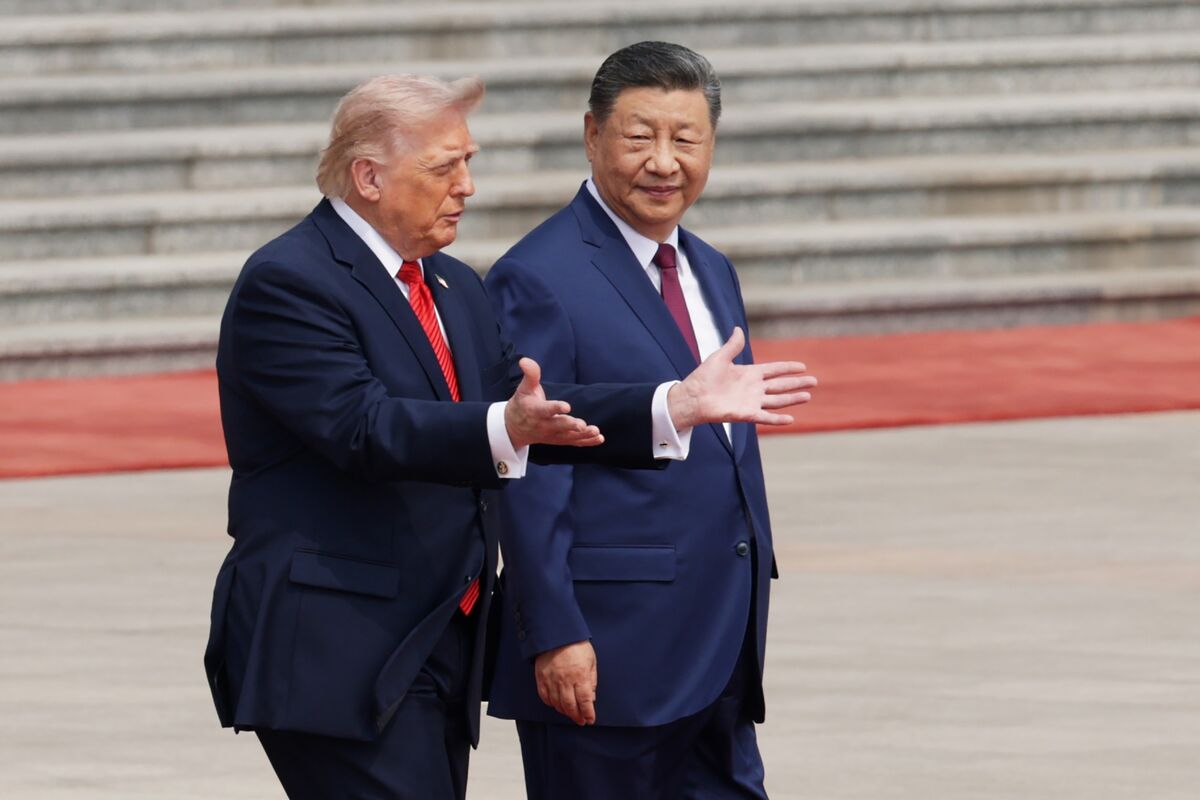
Trump’s China trip is being framed as a summit success, but Beijing’s dominance in rare earths remains a strategic vulnerability for global supply chains. The article highlights ongoing geopolitical and trade tensions rather than a material policy resolution, implying persistent risk for industries reliant on critical minerals.
The market is still underestimating how rare-earth leverage turns a diplomatic thaw into a supply-chain veto right. Even a modest easing in rhetoric does little if Beijing keeps control over refining, separation, and magnet-grade processing, which is the real bottleneck for autos, defense, robotics, and grid equipment. That means the immediate winners are not Chinese miners so much as non-China developers, recyclers, and downstream firms with inventory buffers; the losers are manufacturers with single-source exposure and just-in-time procurement. The second-order effect is that this is less about spot commodity prices and more about optionality in industrial planning. If buyers conclude access is politicized, they will pay for redundancy: dual sourcing, higher working capital, and strategic stockpiles. That is mildly inflationary for end products and supportive for companies that can certify non-China supply, but punitive for margin-sensitive OEMs that assumed raw materials were fungible. Catalyst risk sits in policy, not headlines. Over days, the trade is mostly about sentiment and short-covering; over months, licensing delays, export-control enforcement, and procurement revisions matter more. The tail risk is a sudden tightening of export permissions or a quota surprise that triggers a scramble across magnets, EV drivetrains, and defense subsystems; the reversal risk is any credible bilateral framework that converts rhetoric into enforceable volume commitments, which would compress the scarcity premium quickly. The consensus seems to treat this as a geopolitical background issue, but the underappreciated point is that rare earths are a manufacturing throughput constraint, not just a commodity story. We think the market is still too complacent on the duration of the bottleneck: industrial users can re-price oil shocks quickly, but they cannot redesign magnet supply chains in one budget cycle. That argues for positioning around firms with alternative supply exposure or inventory leverage, rather than trying to front-run a broad commodity move.
AI-powered research, real-time alerts, and portfolio analytics for institutional investors.
Request DemoOverall Sentiment
mildly negative
Sentiment Score
-0.15
