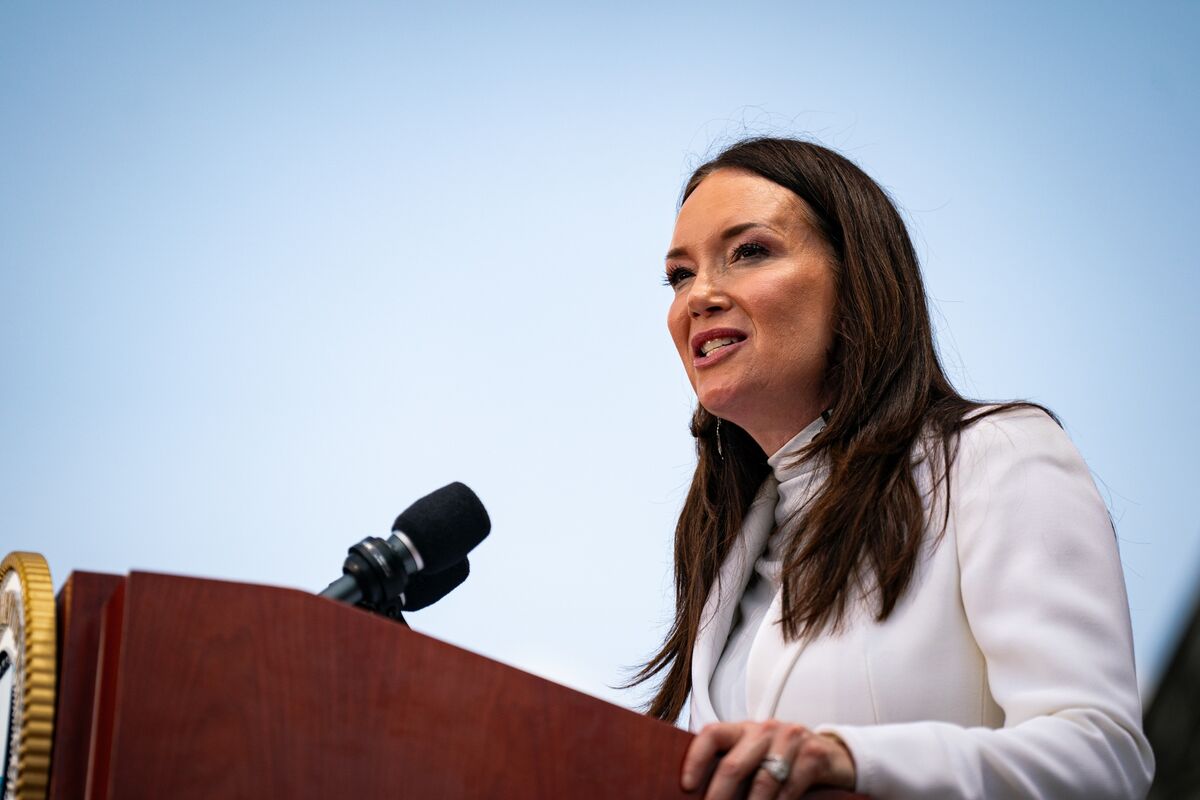
Agriculture Secretary Brooke Rollins said the administration is considering withholding federal SNAP food benefits from several Democratic-led states — including California, New York and Minnesota — unless they provide more detailed information on aid recipients, and that transfers could be paused as of next week. The move creates a federal-state funding standoff that raises political and operational risk for state budgets and low-income consumer cash flows in large population centers, with potential legal and administrative disruption but limited direct market impact.
Market structure: Immediate winners are payment/online grocers that accept EBT (Amazon AMZN, to a lesser extent COST) and short-term cash/liquidity providers; losers are brick-and-mortar low-margin grocers and dollar stores (Kroger KR, Walmart WMT, Dollar Tree DLTR) that take a larger share of SNAP spend. SNAP is ~ $100–130bn/year (~$8–11bn/month); withholding from CA/NY/MN could disrupt ~20–30% of monthly flows from those states (~$1.5–3bn/month), pressuring same‑store sales in QSR/grocery categories by low single-digit percentages in affected metros for 1–3 months.
Risk assessment: Tail risks include swift legal injunctions reversing any cuts (probability moderate), mass state pre-funding or backstop programs (reducing retailer impact), or escalation to wider federal-state funding standoffs that widen CA/NY muni spreads by 50–150bps. Time horizons: price moves will be immediate (days), earnings volatility and muni-spread feedback in weeks, and political/electoral ramifications over quarters to years. Hidden dependencies: state-level SNAP acceptance for online channels, municipal liquidity lines, and private charity backstops could mute direct consumer demand shocks.
Trade implications: Primary tactical trades favor short-duration bearish exposure to KR/WMT (3-month horizon), paired with selective long exposure to AMZN and defensive staples (PG). Use options to express asymmetric views: buy 3-month puts on KR (~ATM) and buy 90-day AMZN calls to capture share gains if flows shift online; consider buying short-dated volatility (VXX) as hedge for political risk spikes. Monitor retail same-store sales prints and USDA/state compliance notices over next 7–30 days as execution triggers.
Contrarian angle: Consensus overstates permanent demand loss — legal reversal or state backstops are probable within 2–8 weeks, creating mean-reversion opportunities. If KR/WMT fall >10% on headlines but no >14‑day suspension occurs, initiate mean-reversion longs; historical parallels (temporary federal-state funding standoffs) show rapid rebounds once cash flows resume, implying option structures (put sales into dips) can pick up premium if timed to likely resolution.
AI-powered research, real-time alerts, and portfolio analytics for institutional investors.
Request DemoOverall Sentiment
moderately negative
Sentiment Score
-0.35
