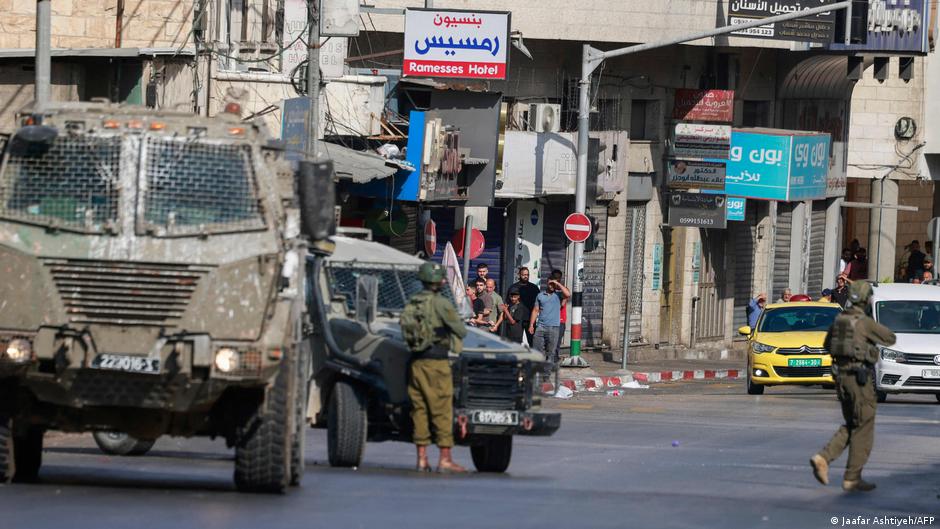
The UN General Assembly adopted two non‑binding resolutions directing Israel to withdraw to its 1967 lines: the Palestine resolution passed 151-11-11 calling for an end to Israel's 'unlawful presence,' a halt to new settlement construction and evacuation of settlers and urging Gaza reunification with the West Bank; the Golan resolution passed 123-7-41 declaring Israel's 1981 application of its laws null and demanding withdrawal to the 1967 border. Separately, Israel said it will partially reopen the Rafah crossing to allow Palestinians to exit to Egypt under a ceasefire arrangement. For investors, the votes reinforce elevated regional political risk and policy uncertainty—potentially affecting defense, energy risk premia and refugee/flow considerations—even though the texts are non‑binding and therefore less likely to force immediate market moves.
Market structure: Immediate winners are defense contractors (Elbit ESLT, Lockheed LMT, Northrop NOC), energy producers and safe-haven assets; direct losers are Israeli equities/credit, tourism/airlines and nearby EM credits. Expect short-term pricing power gains for prime defense OEMs (+5–20% repricing potential if hostilities widen) and decompression of Israeli sovereign spreads by 30–150 bps in downside scenarios.
Risk assessment: Tail risks include a broader regional war (Hezbollah/Syria) that could push Brent +$10–$25/barrel and cause 10–25% drawdowns in Israeli equities; low-probability but high-impact Suez or regional supply disruption would materially reprice energy and insurance. Time horizons: days—vol spikes and ILS weakness (1–3%); weeks–months—credit spread widening and sector rotation; quarters—elevated defense capex and restructured regional supply chains.
Trade implications: Tactical: buy defense and safe-haven exposure, hedge Israeli/EM risk with puts or VIX, and use conditional energy exposure if oil breaches technical thresholds. Use size limits (1–5% positions), defined stops (10–12%) and triggers (Brent >$90, VIX >25, EIS down 10–12%) to scale allocations.
Contrarian angles: The UN resolutions are non‑binding—market reaction may be overdone if diplomatic de‑escalation occurs within 30–60 days; historical parallels (2014/2021 Gaza flareups) show rapid mean reversion in equities while defense stays elevated. Consider selective buy-the-dip opportunities in Israeli tech/infrastructure if conflict indicators normalize within two months.
AI-powered research, real-time alerts, and portfolio analytics for institutional investors.
Request DemoOverall Sentiment
moderately negative
Sentiment Score
-0.40
