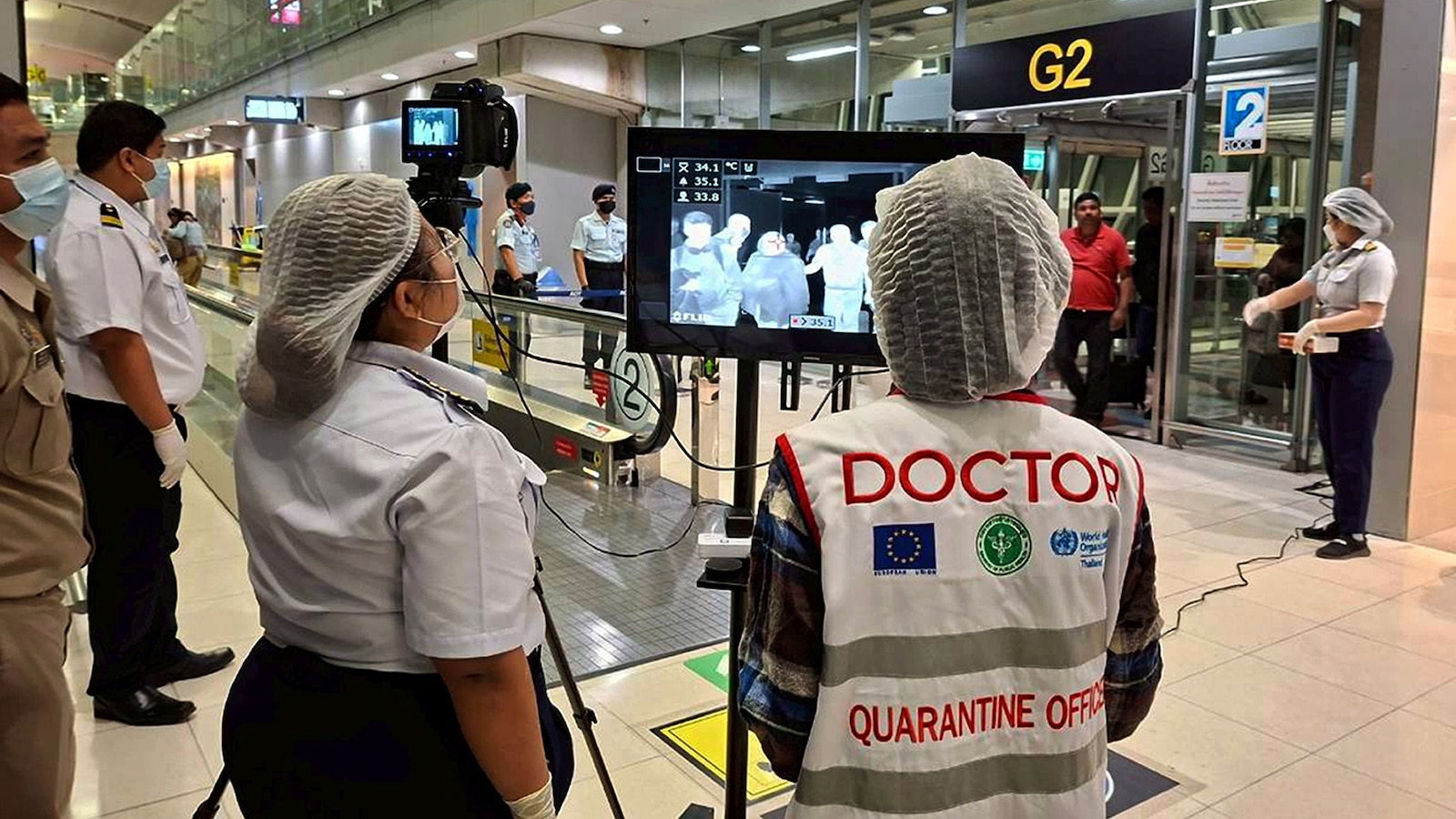
Two confirmed Nipah virus cases—both 25-year-old nurses—in West Bengal have prompted heightened surveillance in neighboring countries and engagement from WHO and CDC, though authorities say containment efforts are underway. Nipah, a zoonotic virus spread primarily by fruit bats and person-to-person contact, carries a reported case fatality range of 40–75%; no approved targeted treatments exist yet, though a monoclonal antibody (post–phase I) and remdesivir are under study. Experts judge global spread unlikely but note health‑care exposure risks and potential links to habitat change and climate dynamics, warranting monitoring for any escalation that could affect regional economic activity or travel sentiment.
Market structure: With two confirmed cases and high fatality but low global-transmission probability, winners are diagnostics/reagent suppliers, PPE manufacturers, and government biodefense contractors that can scale testing and stockpile delivery within 2–12 weeks. Large-cap diagnostics (Thermo Fisher/Danaher) can exert pricing power on constrained reagent supply chains producing a single-digit percentage revenue uplift over 1–2 quarters; airlines and regional travel services face modest demand pressure (5–15%) if localized restrictions expand.
Risk assessment: Tail risk (mutation enabling efficient airborne spread) is low-probability (<5% over 3 months) but high-impact (global equity drawdown >20%, severe travel bans). Immediate (days) effects: surveillance spending and hospital PPE buys; short-term (weeks–months): testing and contract awards; long-term (quarters–years): sustained government biodefense budgets and ESG-driven habitat remediation spending. Hidden dependencies include Asian manufacturing concentration for reagents and political risk in emerging markets that could delay deliveries.
Trade implications: Tactical longs in large diagnostics/biodefense names and short, concentrated exposure to travel/hospitality in affected regions are high-conviction, near-term plays. Use portfolio insurance (cost-limited put spreads) rather than naked longs; catalysts to act: >10 new confirmed human-to-human cases within 14 days or WHO escalation to an international public-health emergency.
Contrarian angles: Consensus underestimates multi-year budget tailwinds to biodefense contractors — a modest outbreak can trigger outsized government spending and M&A that lifts small-cap contractors by 20–50% within 6–18 months. Conversely, the market may be overpricing sustained travel losses given low current transmission; avoid broad cyclical sell-offs unless epidemiology changes materially (threshold: sustained community transmission in >3 Indian states within 30 days).
AI-powered research, real-time alerts, and portfolio analytics for institutional investors.
Request DemoOverall Sentiment
mildly negative
Sentiment Score
-0.25
