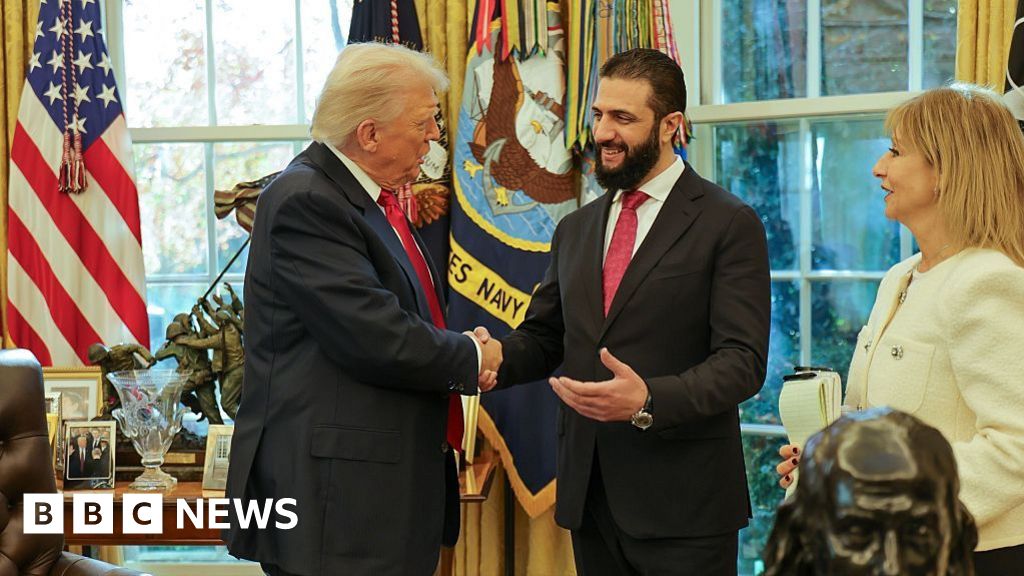
The US is preparing to largely withdraw roughly 1,000 remaining troops from Syria over the next few months after the Syrian government agreed to lead counter‑terrorism efforts, while maintaining a conditions‑based readiness to respond to threats. Simultaneously Washington has increased its regional military posture amid mounting tensions with Iran, deploying aircraft carriers including the USS Abraham Lincoln and sending the USS Gerald R. Ford, and President Trump has signaled the military could be ready for potential strikes. The dual moves—drawdown in Syria alongside an expanded posture near Iran—raise near‑term geopolitical risk that could influence defense stocks, safe‑haven flows and regional energy market volatility. Investors should monitor escalation risk, US diplomatic engagement with Damascus, and any spillover effects to oil supply routes and sanctions dynamics.
MARKET STRUCTURE: The announced withdrawal of ~1,000 US troops from Syria alongside an increased US naval/air posture near Iran reallocates defense demand from ground logistics to naval, air, ISR and missile-defense systems (benefit to LMT, NOC, RTX, GD). Energy markets face asymmetric tail risk: a localized withdrawal should be neutral, but heightened Iran tensions increase probability of a 5-10% crude move within 30 days, favoring integrated majors (XOM, CVX) and short-term oil volatility plays.
RISK ASSESSMENT: Primary tail risks are rapid escalation to Iran-strike (low-probability, high-impact) or Strait of Hormuz disruption leading to >$20/bbl spike; secondary risks include cyberattacks on energy infrastructure and sanctions-driven banking dislocations. Time horizons: immediate (days) = volatility spike; short-term (weeks–3 months) = defense rerating and commodity re-pricing; long-term (6–24 months) = potential sustained higher defense budgets and regional supply-chain realignments.
TRADE IMPLICATIONS: Favor selective long defense equity exposure (platform/air/naval suppliers) and short energy-intensive, route-sensitive sectors (airlines, JETS) while using 30–90 day crude call spreads and 3–9 month call overweight in defense names. Fixed income should see safe-haven bid—buy 2–3 year Treasuries on spikes in risk aversion and consider FX longs in USD/CHF for 0–3 month hedges.
CONTRARIAN ANGLES: Consensus will bid broad “defense” names; that’s incomplete—ground-logistics contractors (KBR, VEC) could underperform while prime primes with classified backlog benefit. Historical parallels (Iraq withdrawal cycles) show initial risk-off followed by multi-quarter defense budget increases: lean toward long-dated defense exposure rather than short-term volatility punts to capture budget-driven revenue growth.
AI-powered research, real-time alerts, and portfolio analytics for institutional investors.
Request DemoOverall Sentiment
moderately negative
Sentiment Score
-0.35
