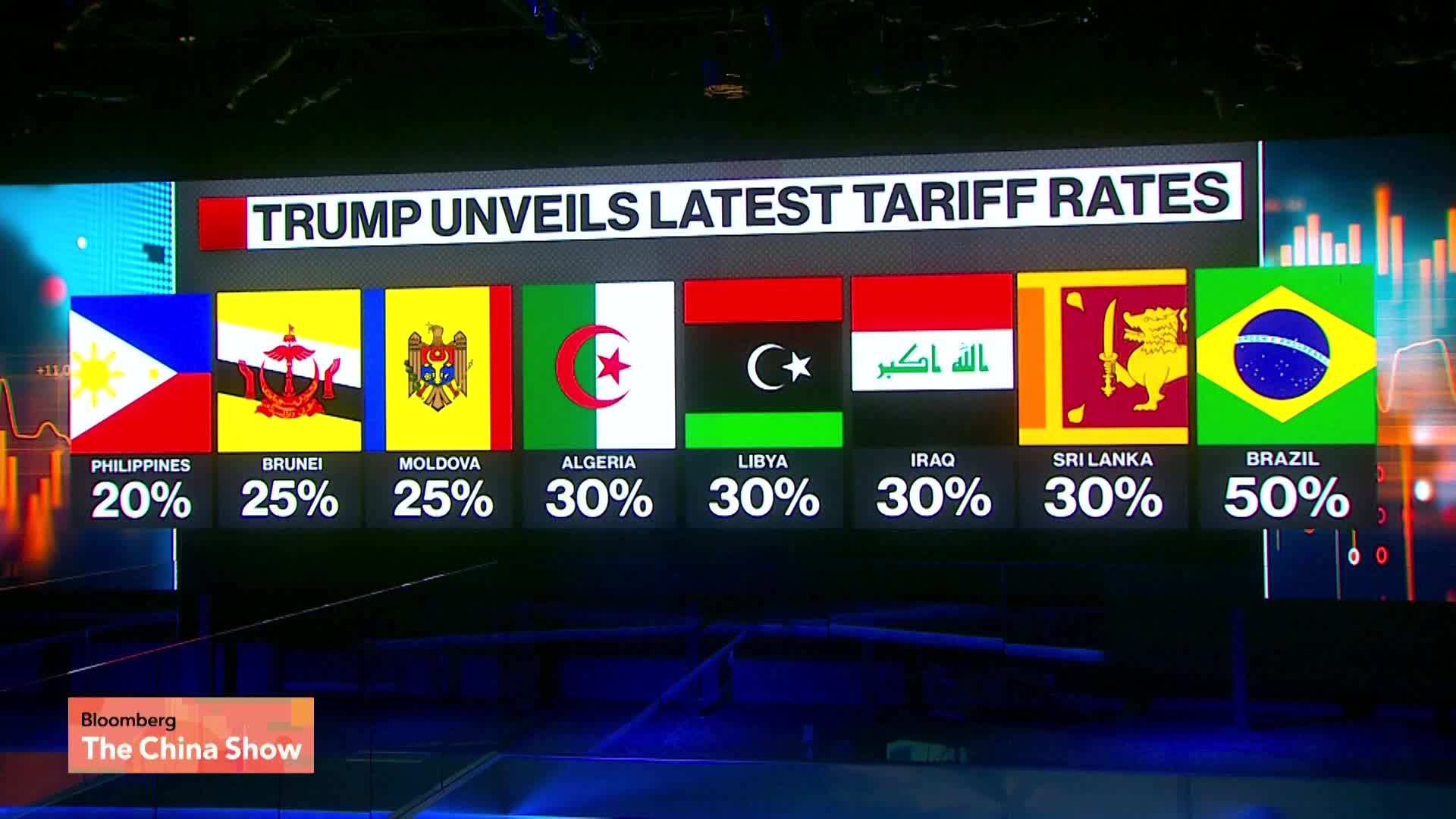
US President Donald Trump has announced a 50% tariff on copper imports, effective August 1, a policy expected to significantly harm American manufacturers in sectors such as automobiles and appliances. This move is anticipated to have broader implications for global trade dynamics.
The United States is set to impose a 50% tariff on all copper imports beginning August 1, a significant trade policy shift with direct and negative implications for domestic manufacturers. This measure is poised to substantially increase input costs for key industrial sectors, particularly automotive and appliance producers, which rely heavily on copper as a raw material. The direct consequence will be margin pressure for these industries and potential price inflation for end consumers. The policy's broad application suggests a disruption to established global copper supply chains, creating uncertainty in the commodities market. The strongly negative sentiment (-0.7) associated with this announcement underscores the market's pessimistic outlook on the immediate profitability and competitiveness of affected US-based companies.
AI-powered research, real-time alerts, and portfolio analytics for institutional investors.
Request DemoOverall Sentiment
strongly negative
Sentiment Score
-0.70
