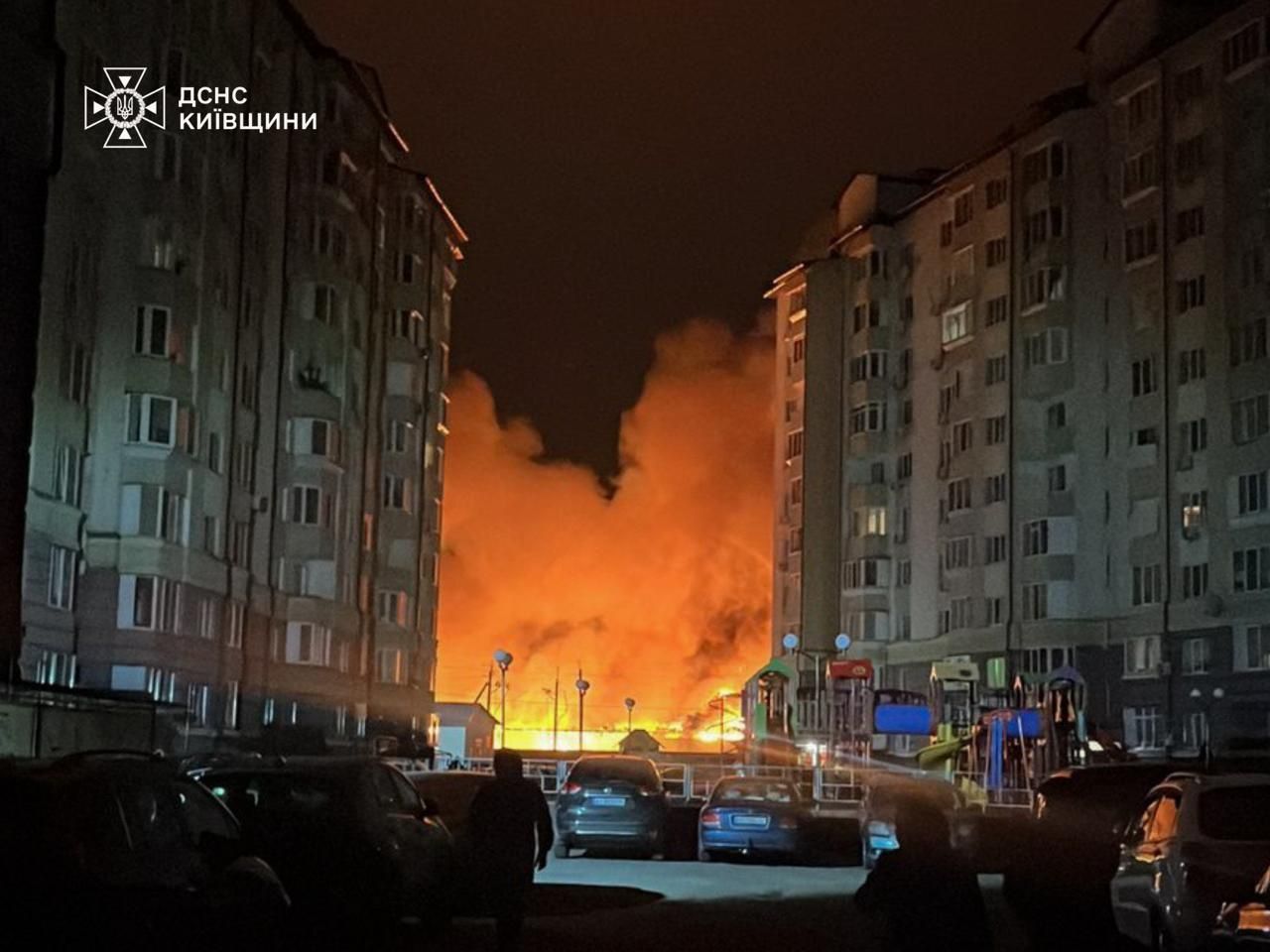
A massive Russian missile-and-drone strike on Dec. 6 — reportedly 653 Shahed-type drones, 36 cruise missiles and 17 ballistic missiles with 60 strikes at 29 locations — heavily damaged Ukraine’s energy infrastructure, hitting substations, generation facilities (including DTEK thermal plants), and disconnecting one of two power lines to the Zaporizhzhia nuclear plant (330 kV reconnected, 750 kV still down); the plant lost off‑site power for about 30 minutes. Widespread hourly blackouts are in effect across multiple oblasts, rail infrastructure in Fastiv was struck, and at least eight civilians were injured, implying continued operational risk for Ukrainian utilities, potential regional energy supply disruptions and heightened geopolitical risk for investors with exposure to the region or to energy/defense-related assets.
Market structure: The strikes materially reduce Ukrainian generation and transmission reliability in the near term, likely shaving regional winter supply by an incremental 5–15% in the worst-affected zones and putting upward pressure on European power and TTF gas front-month contracts (potential +20–50% if follow-on strikes continue over 2–6 weeks). Direct winners: global defense primes (RTX, LMT, NOC; defense ETFs ITA) and LNG exporters (EQNR, SHEL) as short-term energy scarcity and rebuilding capex raise revenue visibility. Losers: Ukrainian utilities, regional rail/logistics providers, insurance reinsurers, and travel/airline names in Europe that face operational disruption and demand drawdown.
Risk assessment: Tail risks include (A) repeated loss of off‑site power at Zaporizhzhia causing a nuclear incident (low prob but >$100/barrel oil shock scenario and >50% spike in risk premiums), (B) NATO brinkmanship escalating sanctions/counter-sanctions that disrupt commodity flows, and (C) prolonged sorties depleting Russian munitions supply chains changing attack tempo. Immediate (0–7 days): power outages, FX volatility; short-term (weeks–months): elevated power/gas prices, credit spread widening for CEE sovereigns; long-term (quarters+): reconstruction demand driving metals, construction and defense capex.
Trade implications: Allocate tactical longs to defense (establish 1.5–3% long positions split between RTX, LMT, NOC) and commodity/service providers (2% in SHEL or EQNR) with 3‑month horizon; buy 3‑month 25‑delta call spreads on RTX/LMT to limit premium outlay (target payoff >2x if shares rally 15–30%). Hedge via 0.5–1% long positions in TTF call options (or ICE TTF futures) sized to double if gas front-month rises >30% in 2 weeks. Short candidates: 1–2% short exposure to European leisure/airlines (IAG.L) and Polish/Czech regional rail logistics equities that face demand hits.
Contrarian angles: Consensus may overpay defense multiples; look for selective value in European utilities with strong balance sheets (RWE.DE) trading below replacement value due to temporary earnings hits—consider 1–2% opportunistic longs with 6–12 month horizon and a 25% stop. The market may underweight construction and specialty steel names exposed to Ukrainian reconstruction — these could re-rate if EU funding packages (threshold >€10bn) are announced. Watch IAEA updates: if off‑site power losses exceed 2 incidents/week, accelerate defense/energy longs; if not, trim positions after 8–12 weeks.
AI-powered research, real-time alerts, and portfolio analytics for institutional investors.
Request DemoOverall Sentiment
strongly negative
Sentiment Score
-0.65
