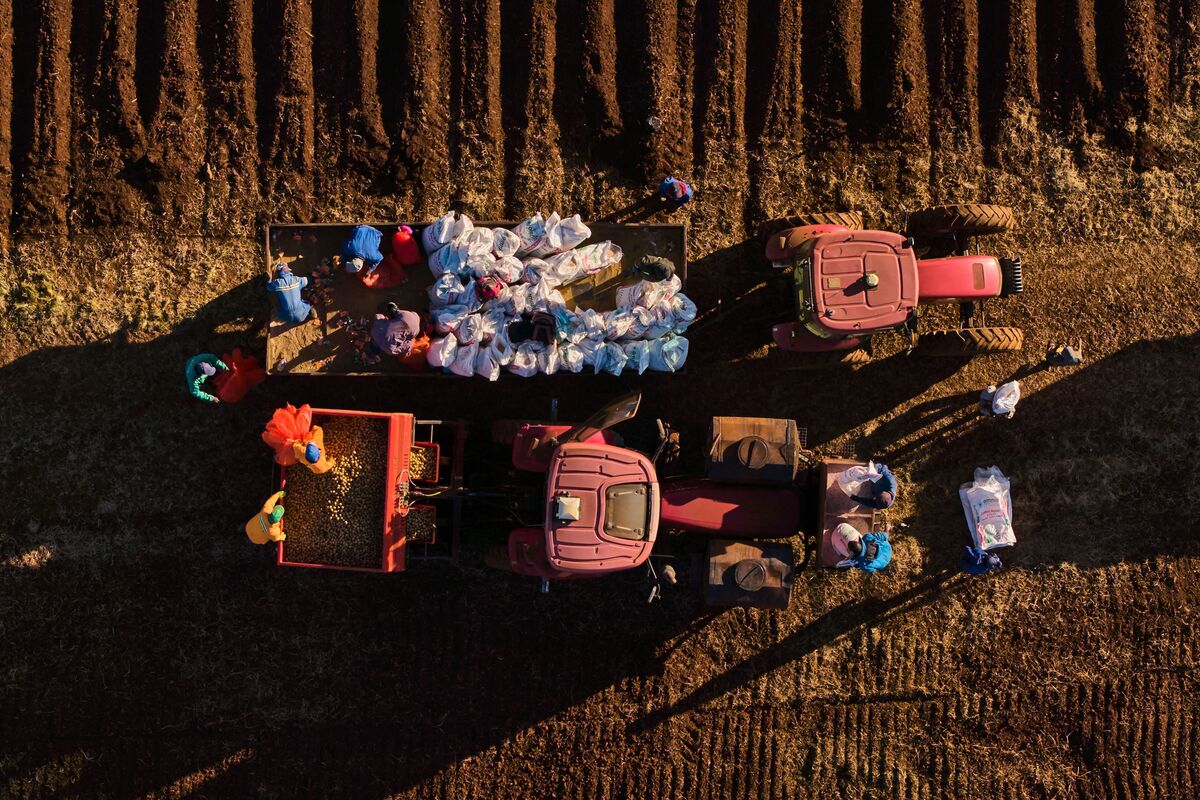
Africa's poorest nations are facing a critical dilemma, struggling to finance agricultural investment due to high debt servicing costs, which forces a choice between loan repayment and feeding their populations. Global development leaders, including IFAD President Alvaro Lario, emphasize that the issue is not a lack of financing but the need for alternative mechanisms like grants or concessional loans to avoid further debt accumulation. This situation presents a growing humanitarian crisis and elevates financial risk for lenders to these vulnerable economies.
A critical structural issue is emerging in Africa's poorest economies, where governments face a stark trade-off between servicing increasingly costly debt and funding essential agricultural investment for food security. According to Alvaro Lario, President of the International Fund of Agricultural Development, the core problem is not a scarcity of available financing but rather the unsuitability of current debt mechanisms for these vulnerable nations. This situation elevates sovereign credit risk, as the choice between loan repayment and feeding populations heightens the potential for defaults. The proposed shift towards alternative financing models, such as grants or concessional loans at below-market rates, underscores the growing unsustainability of conventional lending and signals a potential paradigm shift for development finance and investors exposed to this region's debt.
AI-powered research, real-time alerts, and portfolio analytics for institutional investors.
Request DemoOverall Sentiment
strongly negative
Sentiment Score
-0.70
