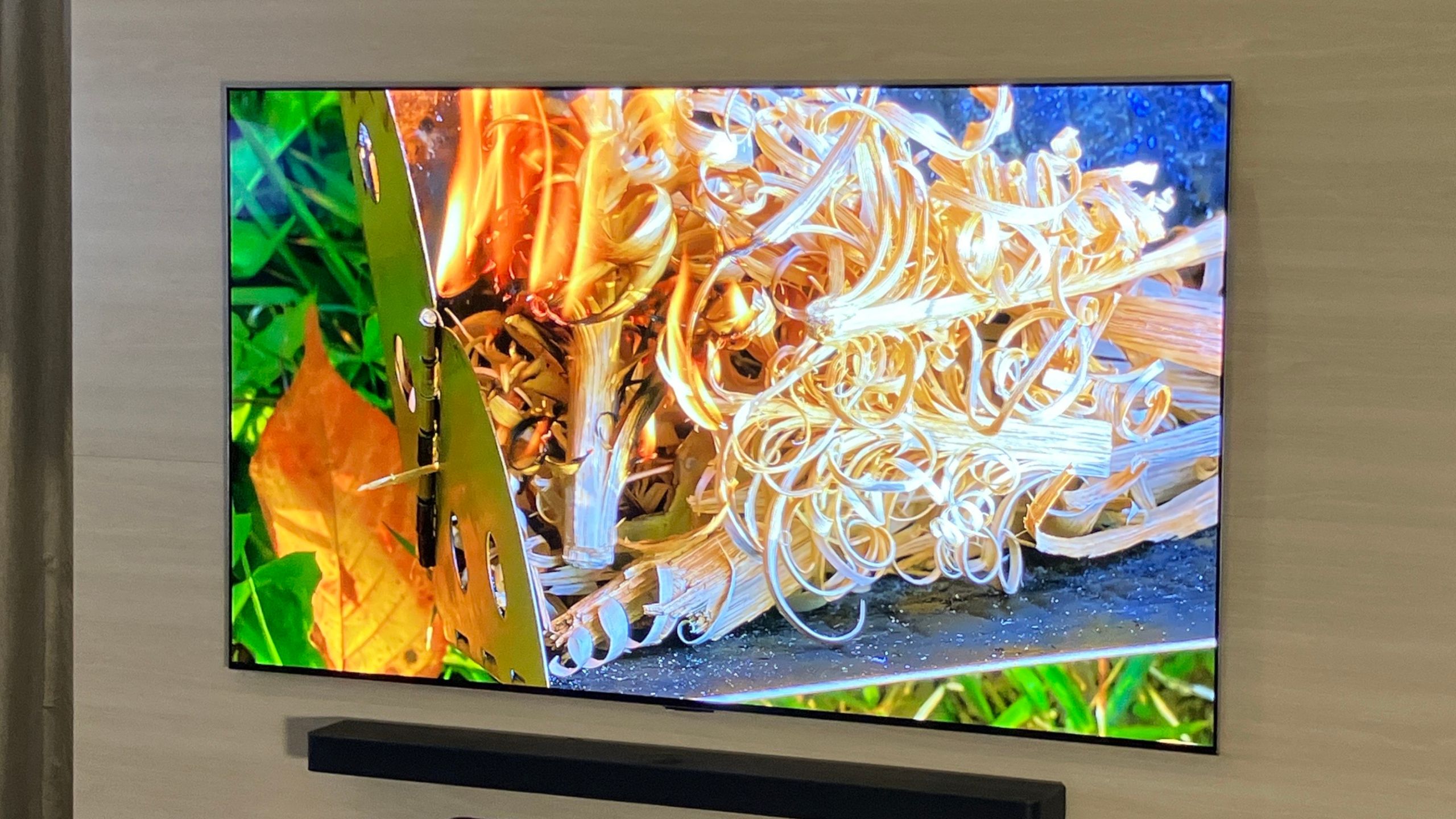
LG Display has teased a rebrand to 'Tandem WOLED' and next‑generation panel architecture (Primary RGB Tandem 2.0) ahead of a CES 2026 reveal, positioning laminated WOLED as offering higher brightness, longer life and lower power consumption. The teaser highlighted new TV and monitor SKUs — including a 39" WOLED 5K (5120x2160), a high‑PPI 27" (likely UHD/4K), and a 27Q 540Hz 1440p panel with dual‑mode 720Hz — and cited up to 1,500 nits peak, signaling incremental product differentiation versus Samsung Display's QD‑OLED and upcoming RGB mini‑LED competitors.
Market structure: LG Display’s Tandem WOLED 2.0 (1,500 nits peak claim) accelerates a two-horse race between laminated white-OLED stacks and Samsung’s QD-OLED, benefiting upstream OLED-material and equipment suppliers while pressuring mini‑LED/edge‑lit LCD margins. Expect panel ASP resilience (+5–15%) for premium TV/monitor segments over 12–24 months as suppliers capture higher SKU pricing and gaming monitor makers sell higher-PPI 27"–39" SKUs at +20–30% premiums.
Risk assessment: Near-term catalysts cluster around CES Jan 2026 (product reveals, initial pricing) and supply ramp risks (yield, lifetime, burn-in) over 6–18 months; a critical tail risk is a failed yield ramp or patent injunction that could cause 30–60% earnings swings in small-cap suppliers. Hidden dependencies include OLED material supply concentration (few emitters) and capital intensity—equipment lead times could produce supply lags or overshoots that swing pricing by +/-10–20%.
Trade implications: Direct plays favor OLED materials/equipment (Universal Display – OLED) and consumer OEMs that secure premium panels (SONY, selective Tier‑1 monitor brands) while reducing exposure to mini‑LED-centric appliance OEMs and low‑end LCD suppliers. Optionally use defined-risk call spreads into CES (60–90 day) and buy LEAPs (9–18 month) on OLED suppliers to express a multi-quarter adoption thesis.
Contrarian view: Consensus underestimates cost and licensing friction—if Tandem yields don’t improve or Samsung’s QD‑OLED turns cheaper, investor euphoria can reverse quickly; this suggests sizing positions modestly (1–3% portfolio) and layering on positive yield/price signals. Historical parallel: OLED TV adoption followed OLED mobile cycles with 18–36 month commercialization lags; don’t assume instant share capture without concrete yield and supply evidence.
AI-powered research, real-time alerts, and portfolio analytics for institutional investors.
Request DemoOverall Sentiment
mildly positive
Sentiment Score
0.28
Ticker Sentiment
