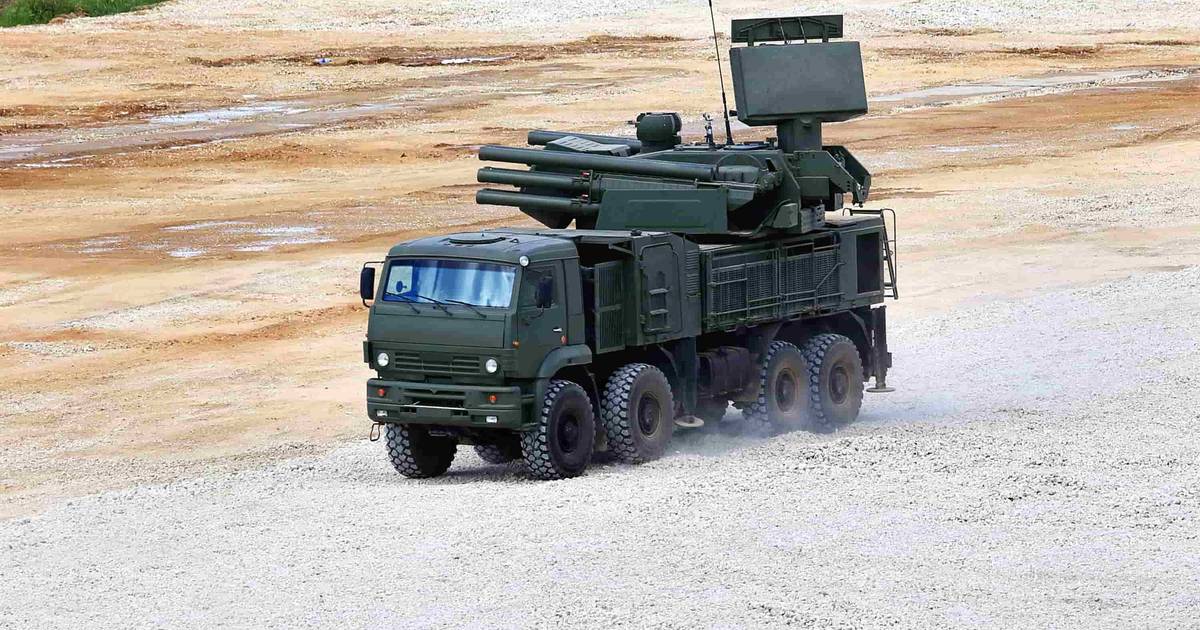
A new RUSI-authored research paper maps critical vulnerabilities in Russia's air-defence manufacturing, arguing that the sector is highly dependent on foreign technologies, materials and software and therefore susceptible to disruption; the authors frame such disruption as a way to bolster Ukraine's long-range strike campaign and European security. It recommends actions including blocking access to key microelectronics and materials (notably beryllium oxide ceramics and advanced microprocessors), imposing targeted sanctions on suppliers, exploiting cyber weaknesses in design and test software, and prioritizing kinetic strikes on concentrated production hubs such as Tula to degrade systems like the Pantsir SHORAD. If adopted, these measures could materially impede Russian radar and missile production and modernisation and prompt international buyers to reassess the resilience and reliability of Russian air-defence equipment, with attendant policy and supply‑chain consequences for suppliers and partners.
The research paper maps critical vulnerabilities in Russian air-defence manufacturing, documenting heavy dependence on foreign technologies, materials and design software and citing specific inputs such as beryllium oxide ceramics and advanced microprocessors. It recommends preventing modernisation of microelectronics, enforcing targeted sanctions on suppliers, exploiting cyber weaknesses in design and test software, and prioritising kinetic strikes on concentrated industrial hubs such as Tula to disrupt systems including Pantsir SHORAD.
The authors frame these measures as ways to hinder radar and missile production, bolster Ukraine's long-range strike campaign and strengthen European security, and they explicitly warn international customers to reassess the resilience and reliability of Russian air-defence systems. That reassessment creates reputational and commercial risk for suppliers in NATO member states and third countries and raises the prospect of procurement reallocation away from Russian platforms.
Sentiment signals show a moderately negative tone (sentiment_score -0.45) with a modest market-impact score (0.28), suggesting policy-driven but not systemic market disruption in the near term. For investors this elevates sanction, cyber and kinetic-risk to firms supplying microelectronics, machine tools, specialty raw materials and defence software and increases the probability of event-driven volatility tied to export controls and military targeting.
AI-powered research, real-time alerts, and portfolio analytics for institutional investors.
Request DemoOverall Sentiment
moderately negative
Sentiment Score
-0.45
