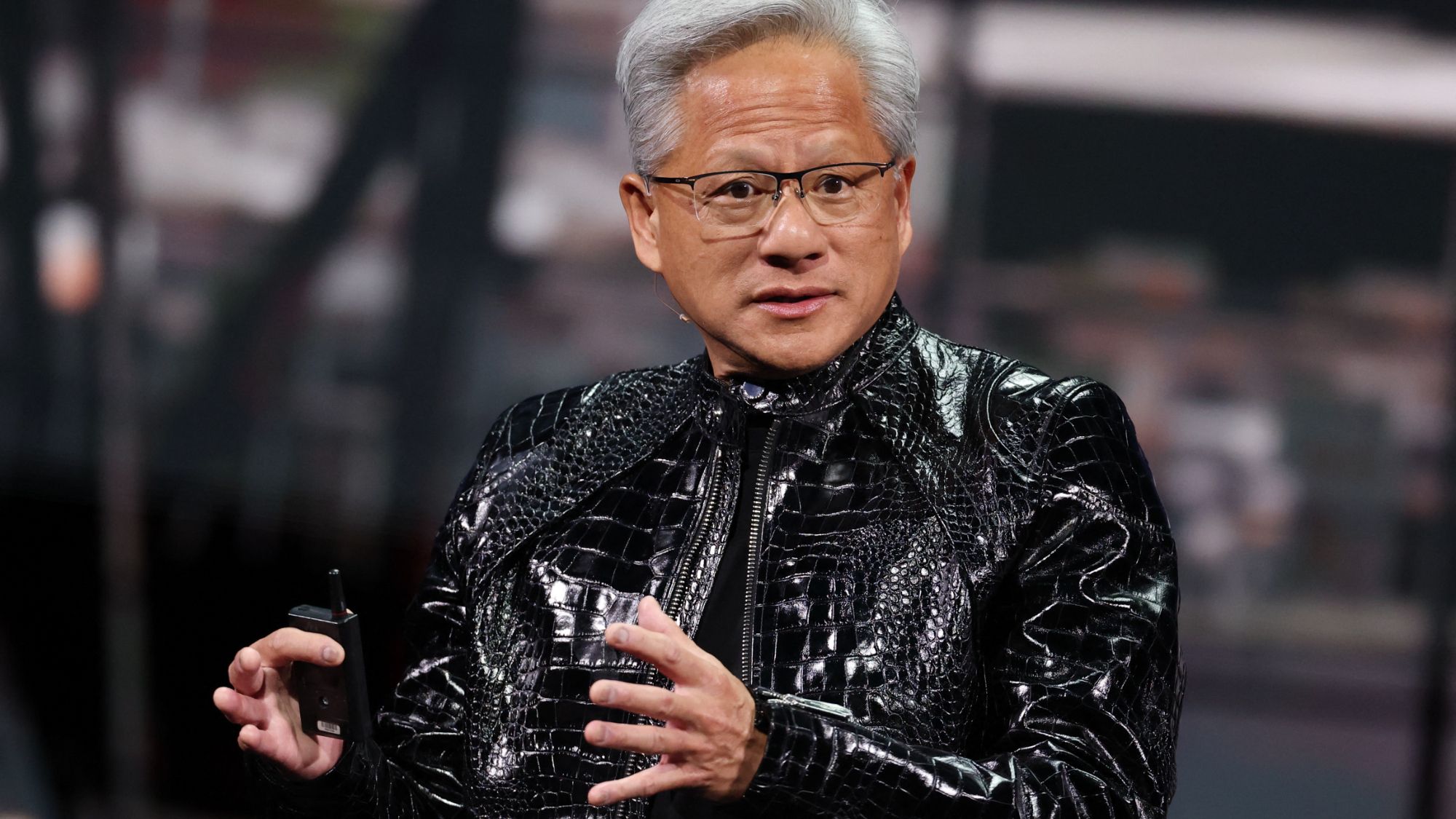
Nvidia CEO Jensen Huang defended DLSS 5 on the Lex Fridman podcast while acknowledging gamer backlash and reiterating the feature is a "content-controlled generative AI," not post-processing. DLSS 5 is expected to ship later this year but faces reputational risk after criticized demo imagery and confusion about how it integrates with game engines, which could prompt messaging changes, deeper engine integration work, or a delay. Financial impact is likely limited and idiosyncratic, but developer relations and consumer perception create modest near-term execution risk for the product rollout.
The immediate risk is reputational and adoption friction, not core IP loss: if developer and gamer trust erodes around a flagship consumer feature, premium GPU upgrade velocity could slow for 2–4 quarters as buyers wait for patches, clarifications, or competitor alternatives. That manifests as lower-than-expected retail attach rates for the highest-margin cards and a longer tail on inventory at distributors — an earnings headache for NVDA in the next two reports even if data‑center demand remains intact.
A second-order technical/competitive dynamic is whether middleware and engine vendors insist on in‑engine, open toolchains versus black‑box vendor models. If major studios or engines (Unreal/Unity equivalents) prioritize deterministic, source-controlled pipelines, integration costs for NVIDIA’s model-heavy approach rise and time-to-adoption stretches into multiple quarters or years, opening a window for open-standard alternatives or vendor-neutral SDKs.
Strategically, AMD is the only credible near-term beneficiary if Nvidia delays or misexecutes: they don’t need feature parity immediately, only the perception of a safer, more transparent alternative to win OEM/custom GPU purchases and strategic partnerships with developers. The inflection points to watch are the next public demos, developer SDK releases, and studio adoption announcements over the next 3–9 months; each can swing sentiment sharply and create tradable volatility.
AI-powered research, real-time alerts, and portfolio analytics for institutional investors.
Overall Sentiment
mildly negative
Sentiment Score
-0.15
Ticker Sentiment
