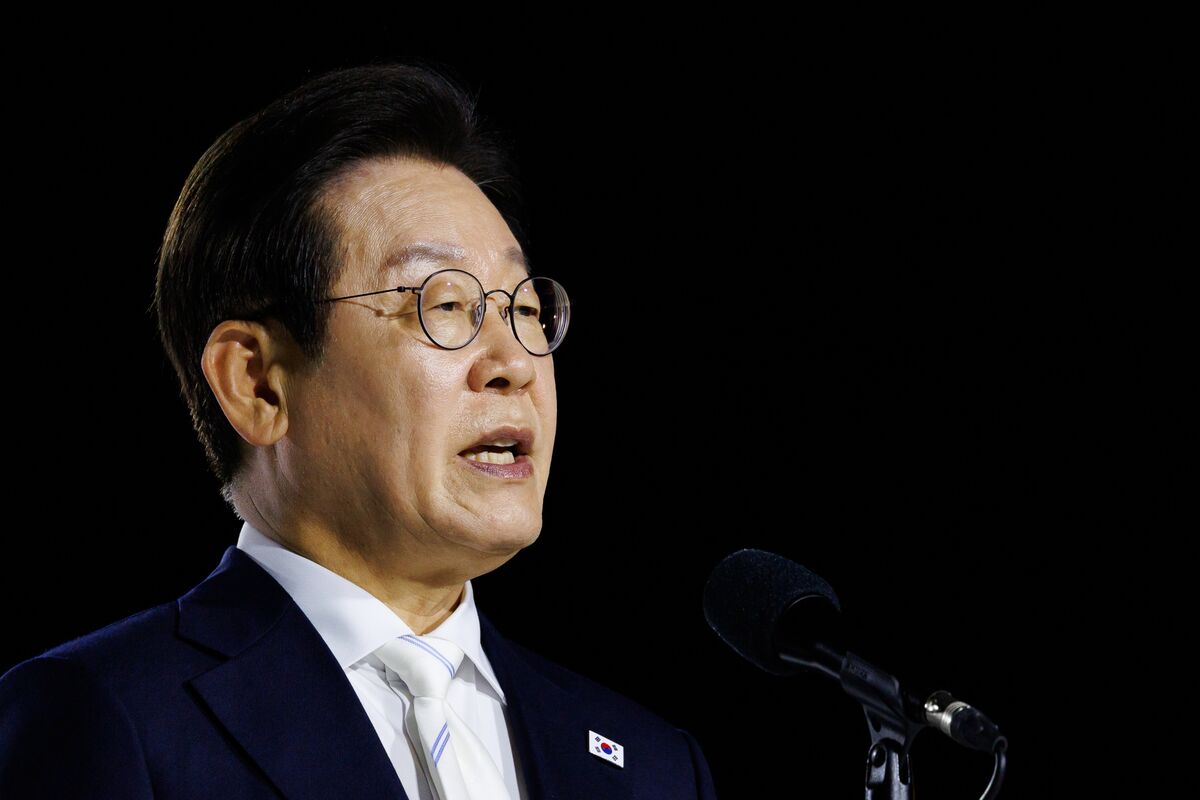
South Korean President Lee Jae Myung is meeting Japanese Prime Minister Shigeru Ishiba in Tokyo, his first visit as leader, to reassure Japan of continued commitments ahead of an upcoming summit with Donald Trump. This high-level engagement aims to mitigate increasing uncertainty surrounding East Asian security alliances and the future of U.S. regional engagement, particularly as both Lee and Ishiba are relatively new to their leadership roles.
A high-level diplomatic meeting between South Korean President Lee Jae Myung and Japanese Prime Minister Shigeru Ishiba is set to address rising geopolitical uncertainty in East Asia. The primary objective of the meeting, Lee's first to Tokyo as leader, is to reaffirm South Korea's commitment to existing security alliances, a move designed to mitigate concerns ahead of a future summit with U.S. President Donald Trump. The context is critical, as both Lee and Ishiba are new leaders navigating questions about the future of U.S. engagement in the region. The situation is characterized by an 'uncertain' tone and a low but present market impact score of 0.3, indicating that while not an immediate market-moving event, it represents a significant background risk factor for regional stability and investor confidence.
AI-powered research, real-time alerts, and portfolio analytics for institutional investors.
Request DemoOverall Sentiment
mixed
Sentiment Score
0.00
