

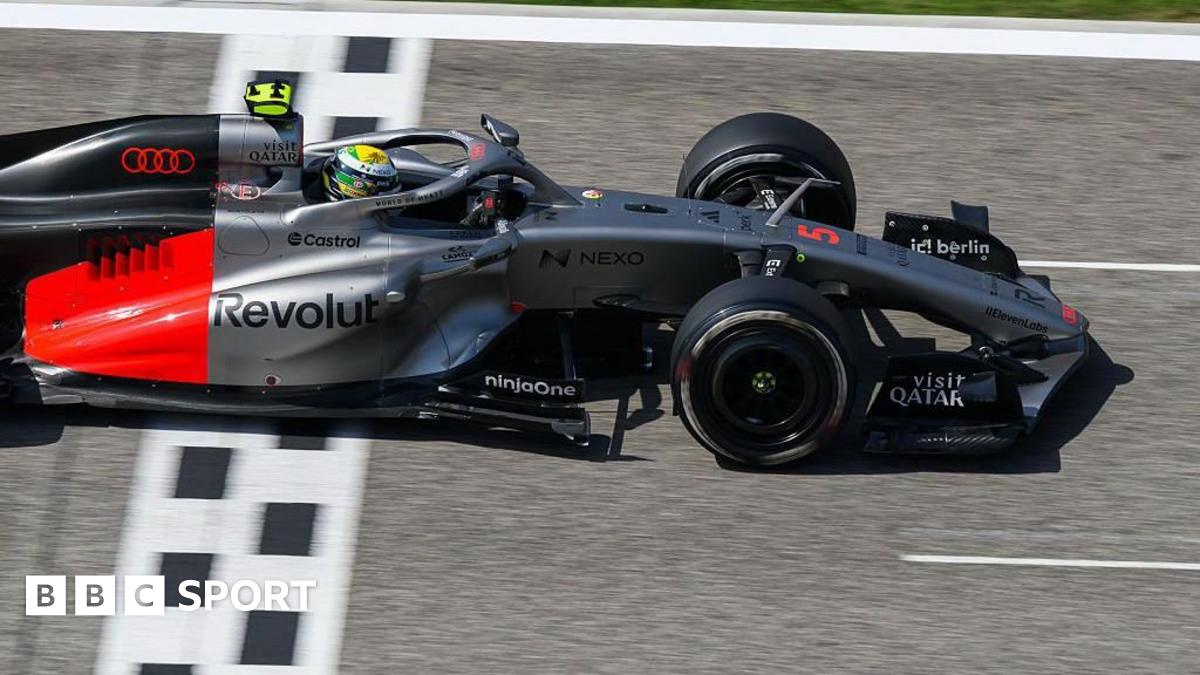
Formula 1's 2026 season introduces a major technical overhaul — smaller cars, new chassis, tyres and fully sustainable fuels with power units split roughly 50/50 between electric and internal combustion and an active-aero 'overtake mode' replacing DRS — which materially changes engineering and energy-management demands. The grid expands to 11 teams with Cadillac entering and Audi debuting after acquiring Sauber and building an in-house power unit; notable supplier/partner moves include Red Bull/Ford engines and Aston Martin's new Honda partnership, which showed early reliability issues in testing. Calendar and sporting-format changes (new Madrid circuit, Barcelona/ Spa alternation, and selected sprint events) plus rookie and driver-seat movements (Isack Hadjar to Red Bull, Arvid Lindblad rookie) round out a season that is strategically important for manufacturers but unlikely to be immediately market-moving.
Market structure: The 2026 rule package reallocates value toward OEMs that supply reliable hybrid powertrains and software (energy management/active aero). Immediate winners: Ferrari (RACE) as a PU supplier to Cadillac and Ford (F) via its Red Bull engine deal — both gain recurring tech/service revenue and branding; small independent teams and anyone exposed to one-off PU deals face margin pressure and potential single-digit (est. 5–10%) dilution of per‑team prize revenue as the grid expands to 11 entrants.
Risk assessment: Key tail risks include a high‑profile reliability/safety failure from active aero or battery systems (low‑probability, high‑impact) and regulatory shifts on sustainable fuels that could force costly mid‑cycle redesigns. Watch the first 3 races as a binary catalyst window: if a works PU misses >2 races or records >2 retirements per team in first 3 events, reassess valuations. Longer term (12–36 months) metal supply constraints (Li/Ni/Co) and software/IP ownership will drive winners.
Trade implications: Favor equities/derivatives exposed to PU/IP and battery metals: selective long RACE and a 6–12 month F call‑spread to capture upside while capping cost; add 1–2% tactical exposure to the Global X Lithium & Battery Tech ETF (LIT) for 3–9 months. Use a pair trade: long RACE, short Aston Martin (AML.L) sized to net zero delta on motorsport‑sentiment shocks. Time entries ahead of Melbourne (within 2 weeks) and trim or reprice after 3 races.
Contrarian view: Market may underprice PU supply revenue and merchandising lift for Ferrari and overestimate Audi’s immediate competitiveness; initial Aston Martin/Honda noise looks like a buy‑the‑dip signal if reliability improves within 6 races. Historical parallel: 2014 hybrid transition — short-term leaderboards skewed but long‑term IP owners captured disproportionate value; unintended consequence could be higher TV/rights upside if closer racing resumes, boosting top‑tier team multiples.
AI-powered research, real-time alerts, and portfolio analytics for institutional investors.
Request TrialOverall Sentiment
mixed
Sentiment Score
0.05
Ticker Sentiment
