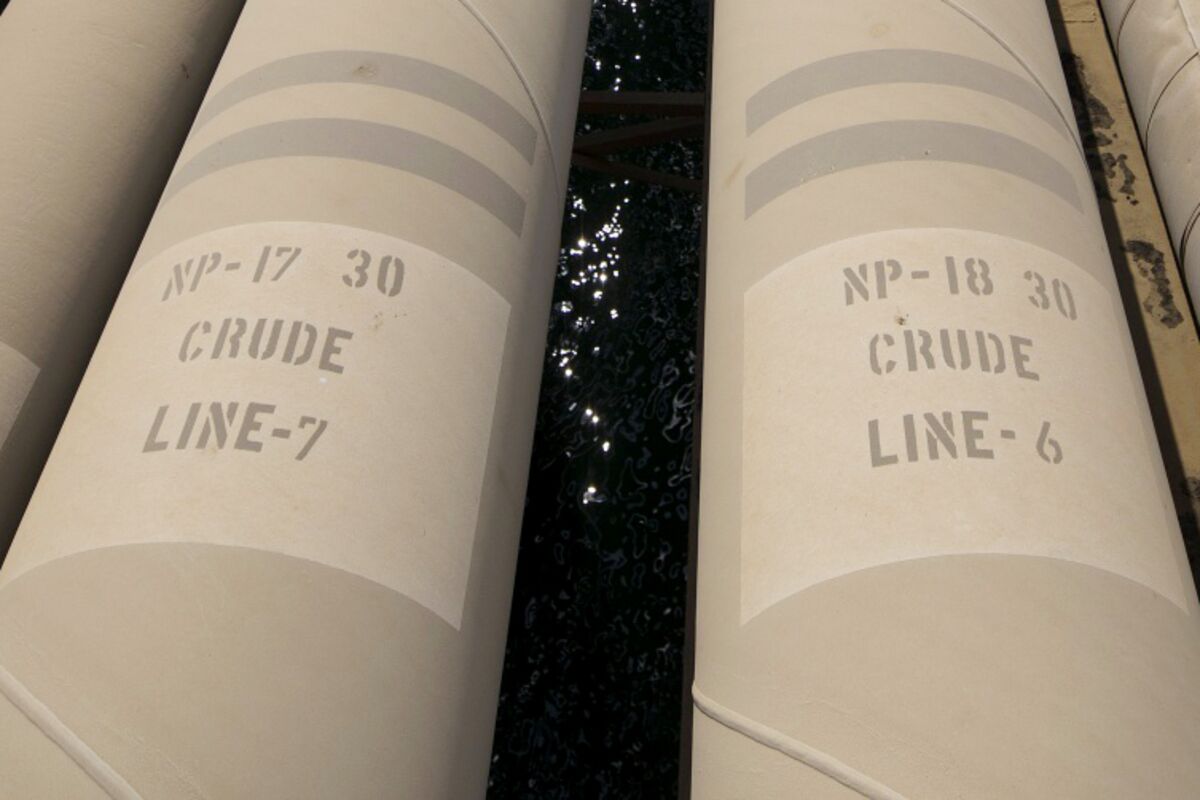
The International Energy Agency (IEA) forecasts a record global oil supply surplus next year, driven by slowing demand growth and increasing supplies. Oil inventories are projected to accumulate at an unprecedented rate of 2.96 million barrels per day, exceeding even the average buildup seen during the 2020 pandemic, as world oil demand growth significantly decelerates from 2023 levels. This outlook signals significant market oversupply, potentially impacting crude prices and energy sector valuations.
The global oil market is poised for a significant structural oversupply next year, according to a recent International Energy Agency (IEA) report. The agency forecasts a record inventory accumulation at a rate of 2.96 million barrels per day, a figure that notably surpasses the average buildup experienced during the market disruption of the 2020 pandemic. This impending glut is driven by a dual-sided dynamic: a sharp deceleration in global oil demand, which is projected to grow at less than half the pace seen in 2023, coupled with swelling supplies. The combination of these factors, reflected in the strongly negative sentiment score (-0.8), signals substantial downward pressure on crude prices and carries significant bearish implications for the energy sector's profitability and valuations.
AI-powered research, real-time alerts, and portfolio analytics for institutional investors.
Request DemoOverall Sentiment
strongly negative
Sentiment Score
-0.80
