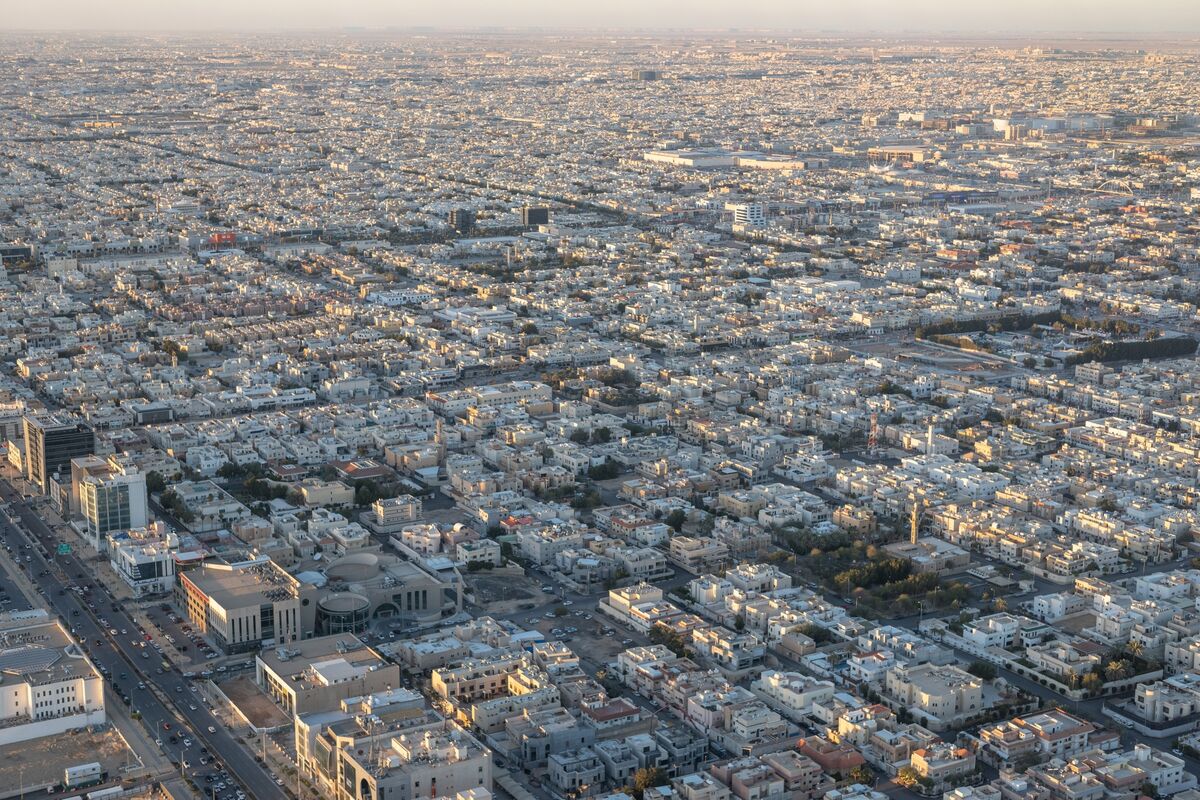
Saudi Crown Prince Mohammed bin Salman has ordered a five-year freeze on rent increases for both residential and commercial properties in Riyadh, effective Thursday. This direct government intervention follows his pledge to curb "unacceptable" property price surges and aims to regulate the capital's real estate market. The mandate will significantly impact property owners, developers, and investors by capping rental income growth and potentially influencing real estate valuations and broader economic stability within Riyadh.
The Saudi Arabian government has enacted a significant regulatory intervention in the Riyadh real estate market, with Crown Prince Mohammed bin Salman ordering a five-year freeze on rent increases for both residential and commercial properties. This directive, effective immediately, is a direct follow-through on a recent pledge to curb what was described as an "unacceptable" surge in property prices. The policy introduces a hard cap on rental income growth, fundamentally altering the investment calculus for landlords, developers, and institutional investors with exposure to the capital's property market. While aimed at tackling inflation and enhancing market stability for tenants, this move introduces considerable regulatory risk and signals a more interventionist government approach. The freeze on commercial rents, in particular, will impact business operating cost assumptions and could influence corporate location decisions within the kingdom.
AI-powered research, real-time alerts, and portfolio analytics for institutional investors.
Request DemoOverall Sentiment
mixed
Sentiment Score
-0.10
