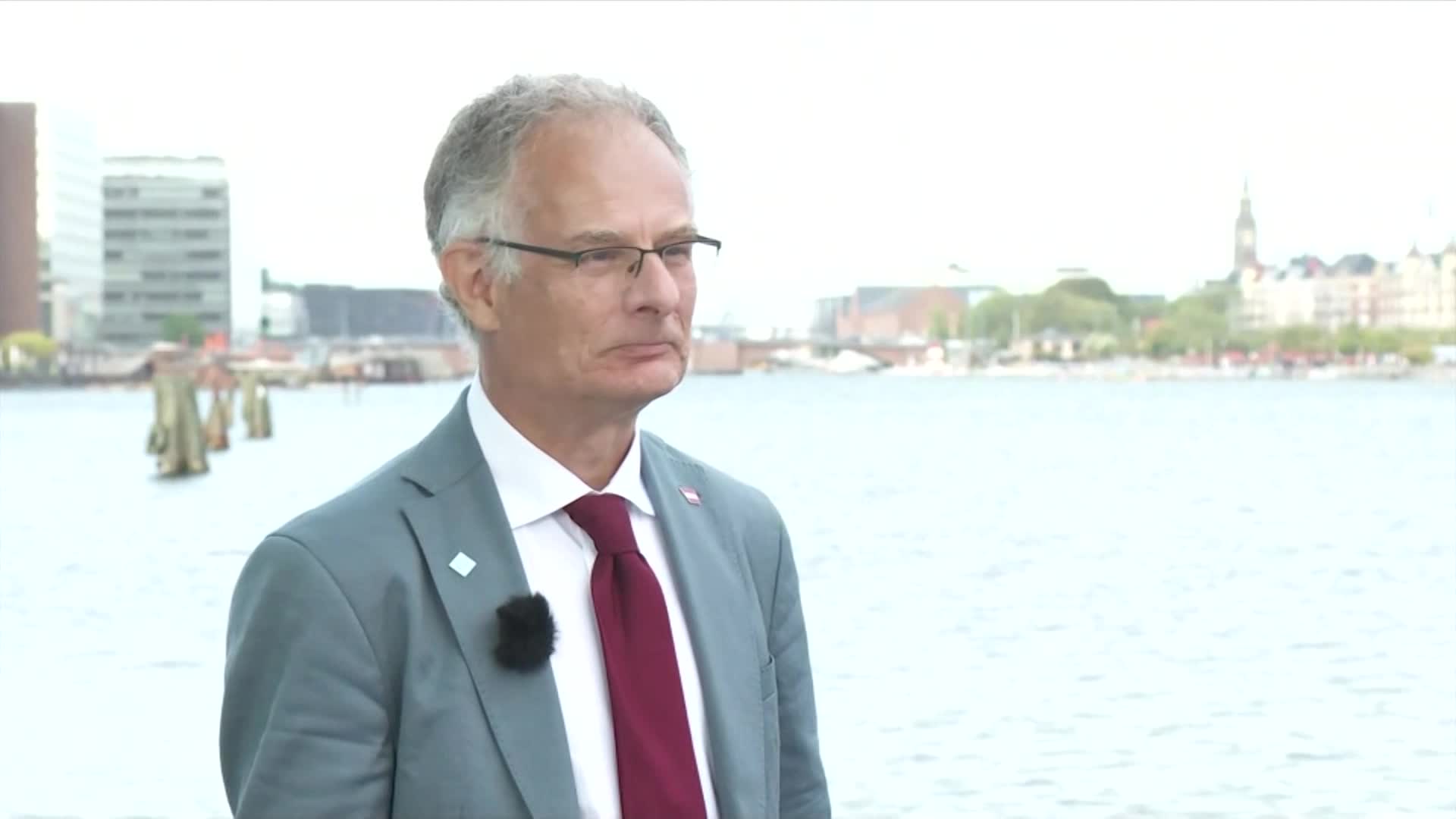
Austrian Finance Minister Markus Marterbauer discussed the European Union's push to phase out Russian oil, a significant policy shift highlighted by former US President Donald Trump's assertion that further American intervention against Russia depends on allies ceasing their oil purchases from the country.
The intersection of US political pressure and European Union policy is creating significant headwinds for Russian energy exports and introducing volatility into global energy markets. Former US President Donald Trump's statement, conditioning further American intervention against the Kremlin on allies ceasing Russian oil purchases, underscores a potent political dynamic. This aligns with the EU's own strategic direction, as confirmed by Austrian Finance Minister Markus Marterbauer's discussion of the bloc's push to phase out Russian oil. The convergence of these factors points to an acceleration of sanctions and a fundamental restructuring of European energy supply chains. This scenario, classified under themes of geopolitics, energy markets, and sanctions, carries a moderately negative sentiment and a significant market impact score of 0.6, reflecting the inherent risks of economic disruption and sustained inflationary pressure from higher energy prices.
AI-powered research, real-time alerts, and portfolio analytics for institutional investors.
Request DemoOverall Sentiment
moderately negative
Sentiment Score
-0.40
