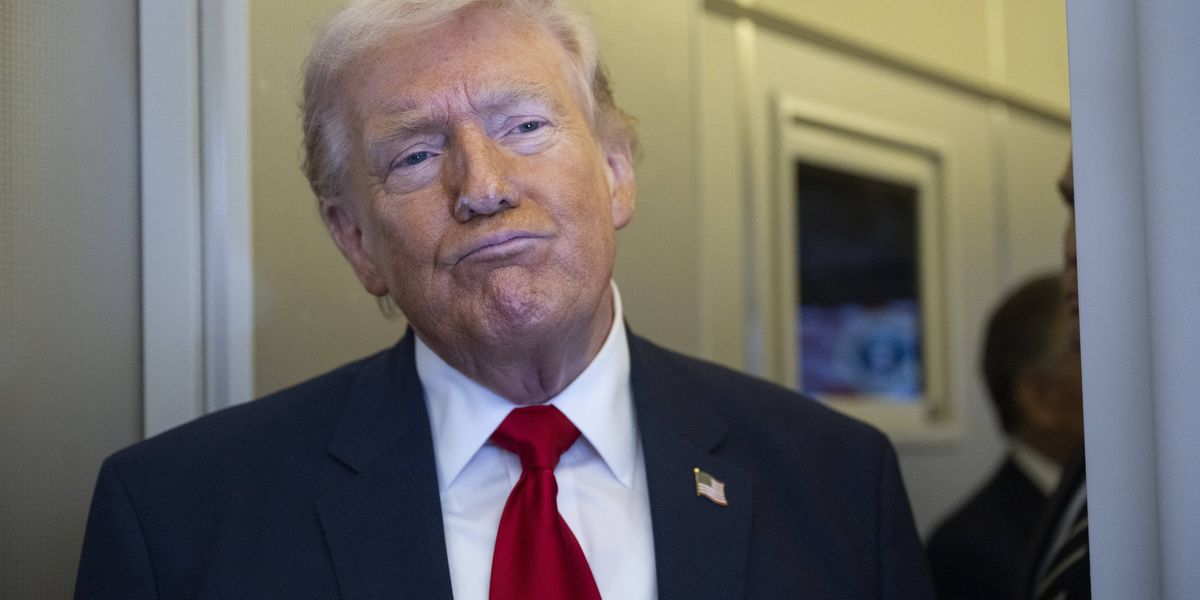
Brent crude is reported above $116/barrel and U.S. average gasoline is ~$4.00/gal, with food costs and tariffs cited as upward price pressures. The author attributes nearly 3 million net job losses in Trump's first term and a further 150,000 job loss in his second term, contrasted with +1.74 million jobs in the final 14 months of the Biden presidency, and highlights a 186% debt increase under Reagan. This is a highly opinionated critique framing Republican policies as inflationary and fiscally irresponsible; limited immediate market impact but elevated policy and consumer-cost risk for energy, consumer staples, and import-exposed sectors.
Macroeconomic friction is building from three linked policy vectors — tariff-induced input-cost shocks, fiscal giveaways that widen deficits, and geopolitically-driven energy supply risk — which together raise the odds of sticky core inflation even as growth momentum softens. The immediate mechanism is margin compression for import-reliant retailers and manufacturers (higher landed costs + weaker wage growth) while commodity and domestic-capex sectors capture outsized cash flow, a divergence likely to amplify P/E dispersion over the next 3–12 months.
Second-order winners include refiners and fast-response US shale (they capture incremental margin and convert it quickly into FCF) and domestic basic-materials producers that see price insulation from tariffs; losers are long-duration growth and discretionary consumer exposure that face both demand erosion and margin squeeze. Tariffs also accelerate onshoring incentives — an upside for industrial equipment and logistics chains but a staggers-to-renewables outcome as imported-capex for green projects becomes costlier and timelines slip.
Key catalysts that will change the picture are: a rapid diplomatic thaw or coordinated SPR-like releases (days–weeks) that normalize energy prices; quarterly payrolls and CPI prints (weeks–months) that re-price the inflation narrative; and fiscal negotiations (months) that determine term premium on Treasuries. Tail risks are asymmetric — sustained geopolitical escalation could jump oil and defense exposure multiples, while a sharper-than-expected growth slowdown would puncture commodity rallies and force a re-rating of cyclicals.
Consensus is underestimating cross-asset dispersion: inflationary pressure is concentrated, not uniform. That argues for targeted sectoral positioning (quality cyclicals and commodity cash-flow producers) rather than broad inflation hedges that dilute upside if the economy slips into mild recession.
AI-powered research, real-time alerts, and portfolio analytics for institutional investors.
Request DemoOverall Sentiment
strongly negative
Sentiment Score
-0.80
