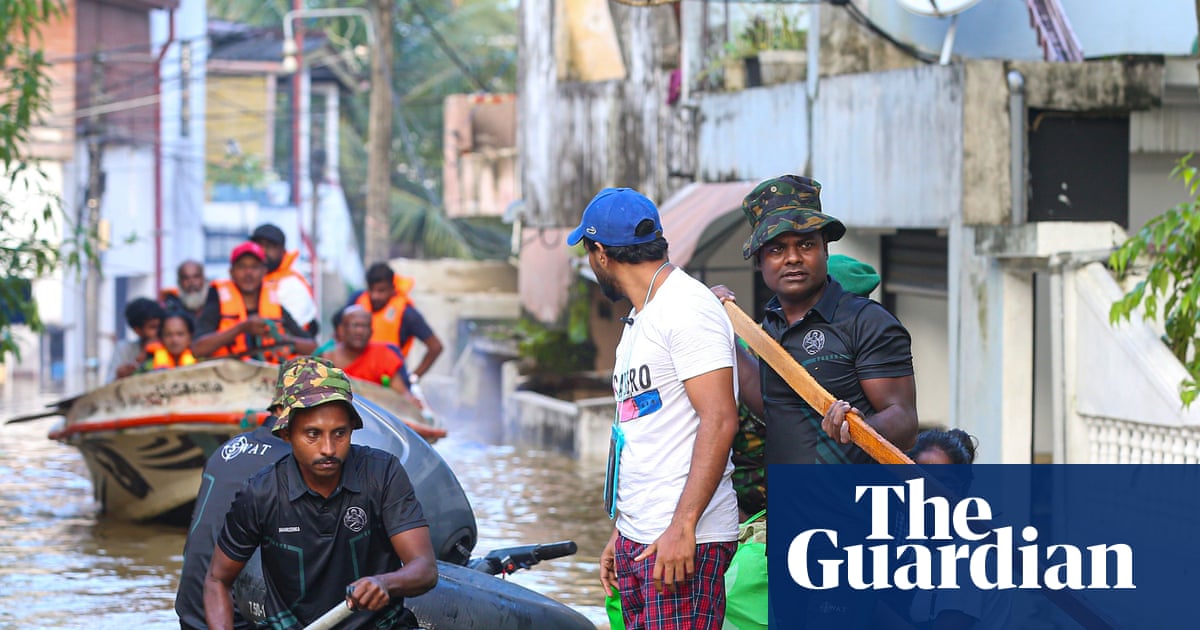
Severe flooding across Indonesia, Sri Lanka, Thailand and Malaysia has killed more than 1,000 people — including 502 in Indonesia, 355 in Sri Lanka, 170 in Thailand and 3 in Malaysia — with 508 people missing in Indonesia and 366 missing in Sri Lanka; militaries have been deployed for large-scale rescue operations and the losses represent the worst hit for Sri Lanka since 2004. Diplomatically, US- and Ukrainian-led talks in Florida were called “productive” but incomplete ahead of a Trump envoy’s planned Moscow visit, and the US faces scrutiny over an alleged second strike on a Caribbean boat that may have killed survivors, keeping geopolitical risk elevated. Separately, UNAids warns of 3.3m additional HIV infections by 2030 after cuts to overseas health aid (external assistance in 2025 expected 30–40% lower than 2023), while US state legislators in New York and Pennsylvania are advancing bills to legalize plug-in balcony solar, which could expand residential distributed generation.
Market structure: Immediate losers are local sovereigns and corporates in Sri Lanka and Indonesia (tourism, agribusiness, ports, utilities) as infrastructure damage reduces near-term GDP by an estimated low-single-digit percentage point in affected provinces for 1–3 quarters. Winners include heavy-equipment OEMs, global construction/materials suppliers and reinsurance brokers if catastrophe underwriting hardens; expect 5–15% higher reinsurance pricing over the next 6–12 months if insured loss estimates exceed USD 1–3bn aggregate. Commodity flows (palm oil, tea, rubber) will face supply shocks—palm oil export disruption from Indonesia could lift vegetable-oil complex prices by mid-teens percent within 1–3 months.
Risk assessment: Tail risks include sovereign distress in Sri Lanka triggering FX controls or debt restructuring rounds (probability >30% over 6–12 months) and contagion to regional EM spreads if aid is insufficient. Short-term (days–weeks) operational risk centers on port/logistics closures; medium-term (3–12 months) credit stress for local banks and increase in non-performing loans; long-term (12+ months) political pressure to reallocate budgets toward reconstruction, pressuring fiscal metrics. Key hidden dependency: reinsurance retrocession layers—if losses concentrate, primary insurers may be undercovered, amplifying equity hits beyond immediate insured-loss estimates.
Trade implications: Tactical plays should favor insurers/reinsurers and global equipment names while de-risking direct EM sovereign exposure to Sri Lanka. Use volatility instruments to express views: buy 6–12 month call spreads on reinsurers and equipment OEMs rather than equities to cap downside from claim surprises. In commodities, go long vegetable-oil complex (palm/soybean oil) via futures or processors (ADM/BG) if palm-oil futures break above a 5% supply-shock threshold; monitor weekly export port-reopening data as catalyst.
Contrarian angles: Consensus focuses on humanitarian impact; markets may underprice sustained reinsurance margin expansion and structural tightening in catastrophe cover—this favors owning reinsurers after the first-loss window (4–8 weeks) when claims clarity emerges. Conversely, overreaction could push local EM bond yields too high: a tactical buy-the-dip on select Indonesian sovereign paper (not Sri Lanka) could be attractive if 2y yields widen >50bp and fundamentals remain intact. Watch loss-estimate revisions, sovereign aid packages, and reinsurers’ Q3 reserve updates as primary reversers.
AI-powered research, real-time alerts, and portfolio analytics for institutional investors.
Request DemoOverall Sentiment
strongly negative
Sentiment Score
-0.70
