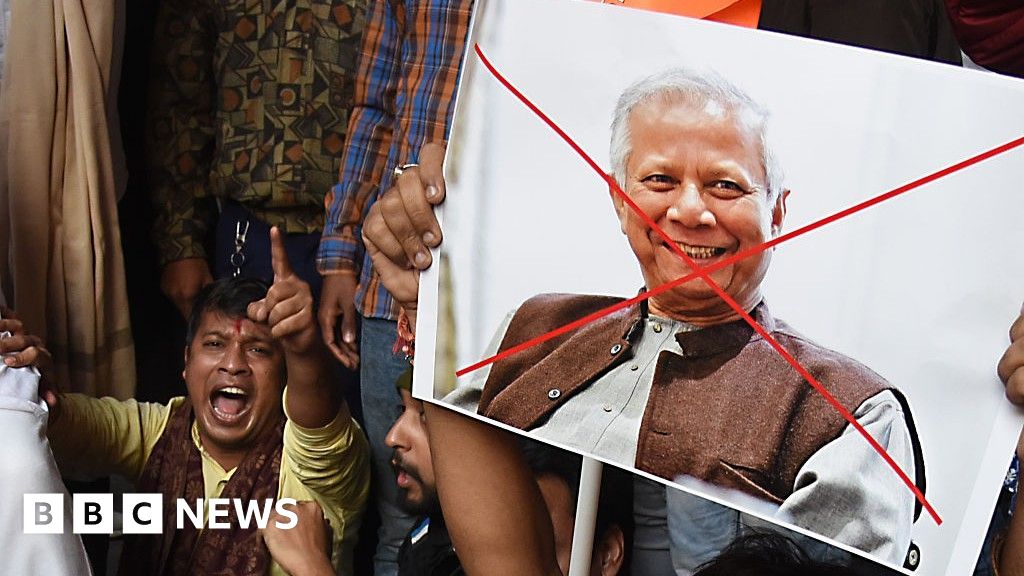
Violent protests and the lynching of a Hindu minority member in Bangladesh have sharply escalated tensions between Dhaka and New Delhi, prompting reciprocal diplomatic démarches, suspended visa services in several cities and attacks on diplomatic premises. With interim leader Muhammad Yunus promising prosecutions, elections set for 12 February and the Awami League barred from participating, the prospect of a BNP-led victory and growing influence of Islamist hardliners raise near-term risks to law-and-order, minority safety and bilateral cooperation. The episode increases political and security uncertainty in the region, which may modestly heighten risk premia for investors with Bangladesh exposure or those sensitive to India-Bangladesh trade and border stability.
Market structure: Short-term winners are Indian defence/engineering contractors and security-services providers as Delhi re-prioritises border security and contingency logistics; expect a 3–6% re-rating tailwind to listed large-cap defence/infra names if tensions persist >4–6 weeks. Direct losers are Bangladeshi export sectors (garments, tourism) and any global retailers with concentrated Bangladesh sourcing; a 10–30% shipment disruption over 1–3 months is plausible if protests continue. FX and EM credit will price in risk: INR likely to underperform by 1–3% vs USD in a shock, EM spreads +25–150bp depending on spillover.
Risk assessment: Tail risks include cross-border incidents that trigger targeted trade restrictions, a refugee surge into India, or international sanctions—each could widen EM-sov spreads by >100bp and push INR down >5% in a stressed week. Immediate (days): visa/mission suspensions and headline volatility; short-term (weeks–months): electoral outcome (12 Feb) driving policy reset; long-term (quarters+): altered India-Bangladesh trade/defence alignment. Hidden dependencies include apparel supply chains (lead times 6–12 weeks) and remittance flows that can amplify FX moves.
Trade implications: Implement small, event-driven positions: establish a 2–3% long in INDA (iShares MSCI India) as a tactical equity play but buy 3‑month 7% OTM puts to cap downside; add a 1–2% long in LT.NS (Larsen & Toubro) via a 6‑month call spread to express defense/infra upside. Reduce EM sovereign/corporate credit exposure (e.g., trim EMB allocations by 20% of bench weight) and underweight apparel/retail names with >10% Bangladesh sourcing (trim 1–3% positions in PVH, ITX.MC, HNNMY).
Contrarian angles: The market may overprice a permanent rupture; history (prior 2014–2016 flare-ups) shows diplomatic recalibration after elections. If INDA falls >6% pre- or post-election, opportunistic re-buy with 3‑month risk reversals (buy puts and buy cheaper calls) can capture a 15–25% snapback. Watch for election result within 48–72 hours as the primary catalyst to either compress or widen spreads.
AI-powered research, real-time alerts, and portfolio analytics for institutional investors.
Request DemoOverall Sentiment
moderately negative
Sentiment Score
-0.50
