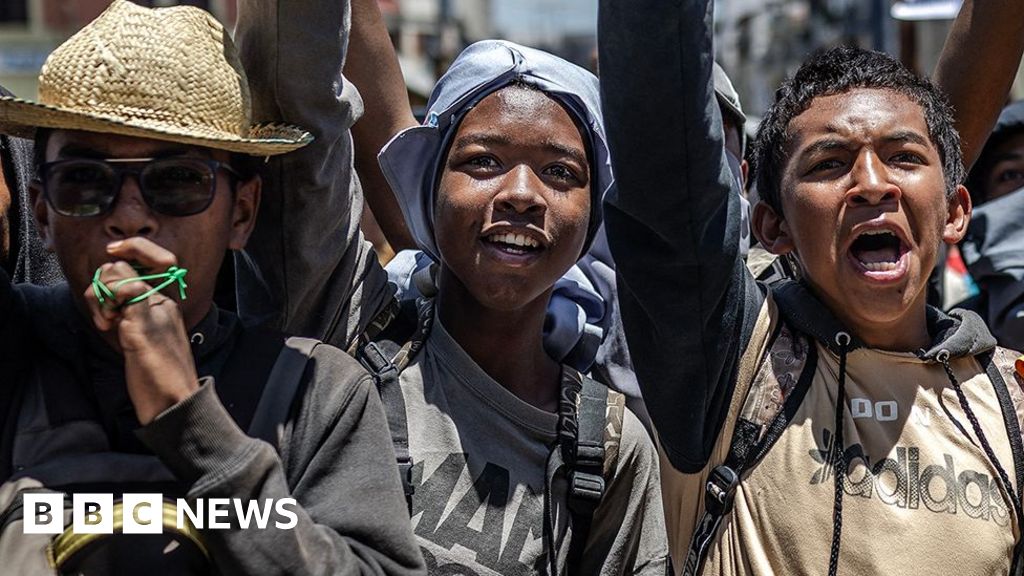
A wave of coups, disputed elections and youth-led protests has intensified political risk across Africa in 2025, driven in part by a spike in the cost of living and demographic pressures. Notable developments include Tanzania's contested vote awarding President Samia Suluhu Hassan 98% amid deadly protests, Cameroon’s 92-year-old Paul Biya sworn in for an eighth term, Madagascar’s coup and installation of interim president Michael Randrianirina, and a tally of eight countries now under military rule after recent takeovers; regionally Mali, Niger and Burkina Faso have split from ECOWAS. Geopolitical shifts — reduced Western pressure on democratic norms and increased options for African governments from China and Russia — amplify governance uncertainty and raise downside risk for investors in African emerging markets.
Market structure: Political instability and coups raise risk premia across Africa-specific assets (sovereign credit, local FX, domestic equities) while benefiting global safe-havens and defense/surveillance suppliers. Exporters of commodities (oil, certain metals) see mixed effects: supply disruption risk raises price volatility but demand-side slowdown from weaker African consumption is minimal; expect 100–300bp wider sovereign CDS on affected states within 1–3 months. Capital flight will re-price EM liquidity; capital-weighted EM ETFs (EEM/VWO) will see downward pressure relative to broad DM indices.
Risk assessment: Tail risks include a regional contagion of military takeovers (low prob. 10–20% over 12 months but high impact), targeted sanctions by Western blocs, or a sudden commodity export embargo that would spike energy/agri prices. Short-term (days–weeks) will be volatility spikes around elections (Uganda in early Jan); medium-term (3–12 months) is sustained higher EM sovereign spreads and weaker local currencies; long-term (12+ months) depends on whether governments reform service delivery. Hidden dependencies: China/Russia support reduces sanction leverage and lengthens military regimes' tenure, muting near-term democratization catalysts.
Trade implications: Defensive positioning — shift modestly into gold and core DM sovereigns, overweight global defense contractors and select commodity miners with non-African revenues, and underweight Africa-exposed EM equities and sovereign bond ETFs. Use options to hedge directional risk: buy_put_spreads on EEM/EZA and buy_call_spreads on GLD/GDX to control cost. Rebalance when CDS spreads or VIX mean-revert (see triggers below).
Contrarian angles: Consensus may over-penalize all Africa exposure; countries with diversified exports (South Africa mining, Morocco phosphate, Egypt Suez revenue) can decouple and become buying opportunities after knee-jerk selloffs of 20–35%. Historical parallels (1990s EM political risk cycles) show that selloffs can reverse in 6–12 months once commodity prices or external funding stabilise. Unintended consequence: heavy sanctions or Western disengagement could push regimes closer to China/Russia, creating longer-lived geopolitical asset bifurcation — profitable for defense and commodity security plays but negative for Western-linked service providers.
AI-powered research, real-time alerts, and portfolio analytics for institutional investors.
Request DemoOverall Sentiment
moderately negative
Sentiment Score
-0.45
