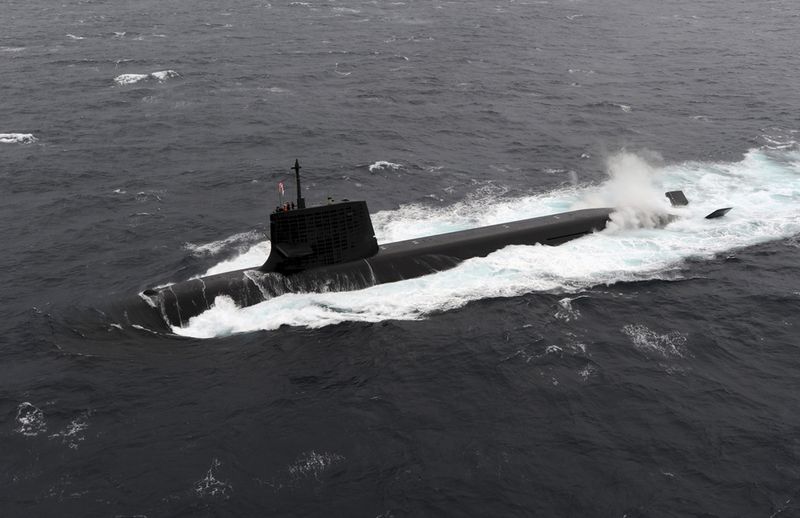
TKMS reported fiscal 2025 sales of €2.17bn, up 9% year-on-year, net profit rising to €108m from €88m, and adjusted EBIT jumping 53% to €131m with a 6% adjusted EBIT margin; the company’s order backlog surged 55% to €18.23bn after booking four submarines for the German Navy. These are the company's first results post spin-off and IPO, and management reiterated medium-term targets including at least a 7% adjusted EBIT margin and ~10% average annual sales growth, while guiding adjusted EBIT of €100–150m for the year ending September. Shares ticked up modestly on the news, and the record backlog and large defense orders underpin a constructive investment case for the stock.
Market structure: TKMS’s €18.23bn backlog vs €2.17bn revenue (~8.4x) makes it a clear near‑term winner among European naval primes and specialty suppliers (marine steel, diesel‑electric propulsion, combat systems) because multi‑year revenue visibility increases pricing power and raises barriers to entry. Losers include pure commercial shipbuilders and offshore service yards that compete for skilled labor and steel, and any defense suppliers unable to scale capacity — expect upward pressure on specialty steel and electronics prices over 12–36 months.
Risk assessment: key tail risks are program cancellations/renegotiations, multi‑year cost overruns, and German/EU political shifts that could cut orders; FX and supplier bottlenecks could compress the 6% reported EBIT margin toward or below the 7% medium‑term target. Immediate (days) reaction should be muted; short term (weeks–months) execution and cash‑flow metrics matter; long term (3–5 years) ROI depends on converting backlog into profitable deliveries and on capex to expand capacity.
Trade implications: prioritize concentrated exposure to listed European defense primes and suppliers (TKMS.DE, RHM.DE, BAES.L, FCT.MI, MT) while de‑risking legacy industrial combines (TKA.DE). Use directional equity plus downside‑defined options: buy 9–15 month call spreads on TKMS.DE (limit cost) and implement a relative value pair — long TKMS.DE vs short TKA.DE sized to neutralize macro risk. Rotate 2–5% portfolio weight from commercial shipbuilding into defense/engineering names over 2–8 weeks.
Contrarian angles: consensus may overvalue backlog as wallet rather than schedulable revenue — historical parallels (post‑2014 European naval programs) show order surges followed by multi‑year margin erosion from under‑priced risk and supplier shortages. Watch for capex spike and working‑capital burn as early warning signs; if booked‑to‑revenue conversion <10% over the next 12 months, reassess long positions aggressively.
AI-powered research, real-time alerts, and portfolio analytics for institutional investors.
Request DemoOverall Sentiment
moderately positive
Sentiment Score
0.45
