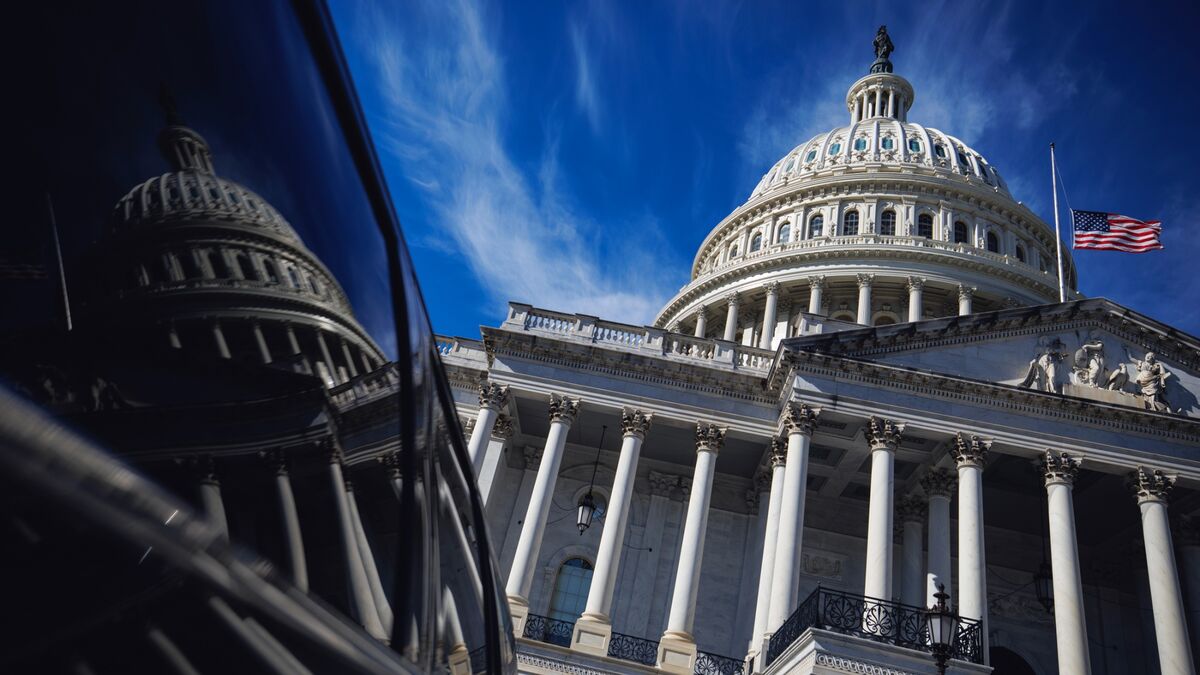
A wave of retirements among House Republicans is widening and is making the party’s midterm outlook more precarious, potentially imperiling seat defenses and future legislative leverage. For investors, the trend raises political risk and uncertainty around fiscal and regulatory outcomes heading into the elections, though it is unlikely to produce an immediate large market move.
Market structure: A wave of Republican retirements raises the probability of a Democratic pickup in the House over the next 6–12 months (we estimate +15–25% relative move versus baseline), increasing policy and electoral uncertainty. Short-term winners are defensive large-caps and sectors with stable cash flows (consumer staples, utilities, healthcare staples); losers are small-cap, regional players and any firms exposed to state-level incumbency benefits (local contractors, certain real-estate owners). Cross-asset: expect a near-term bid for safe-havens (USTs, gold) and volatility; longer-run fiscal/regulatory shifts could push term premia wider by +20–80bps if more aggressive spending or tax changes are priced in.
Risk assessment: Tail risks include a decisive Democratic sweep enabling rapid drug-price negotiations or sweeping tech regulation (10–20% downside shock to exposed names), or conversely a GOP resurgence in polls that triggers risk-on rallies. Time horizons: immediate (days) volatility spikes around special elections/fundraising reports; short-term (weeks/months) re-pricing around polling and retiree seat special elections; long-term (quarters) structural policy changes if control flips. Hidden dependencies: campaign ad spending lifts digital ad revenue short-term (benefit to GOOG/FB) even as regulatory risk rises; state-level retirements can disproportionately affect local muni credit and REIT cash flows.
Trade implications: Tactical plays include buying 6–12 month exposure to clean-energy (e.g., TAN ETF) sized 2–3% of risk budget anticipating Democratic policy tailwinds; establish a 0.5–1% portfolio hedge via a 1–3 month VIX call spread (to capture a 40–80% vol spike). Defend pharma exposure by trimming 3–5% of PFE/MRK or buying a 3-month 5–10% OTM put spread on PFE (~1% portfolio cost) to protect vs drug-pricing legislation. Pair trade: go long KO/PG (1–2% each) and short IWM (1–2%) for 3–6 months to capture likely defensive skew and small-cap underperformance.
Contrarian angles: The market may underprice localized policy risk—certain REITs and regional contractors already trade as if incumbency is permanent; if special-election polls move <3 points, those mispricings can snap back. Reaction may be overdone for large-cap tech: short-term ad revenue bumps could offset regulatory headlines, so avoid blind short positions in GOOG/META unless a clear legislative timeline emerges. Historical parallels: 2010/2018 midterm volatility concentrated in regional banks and small-cap healthcare; monitor 30/60/90 day poll deltas as trading triggers (thresholds: ±5 points).
AI-powered research, real-time alerts, and portfolio analytics for institutional investors.
Request DemoOverall Sentiment
neutral
Sentiment Score
-0.10
