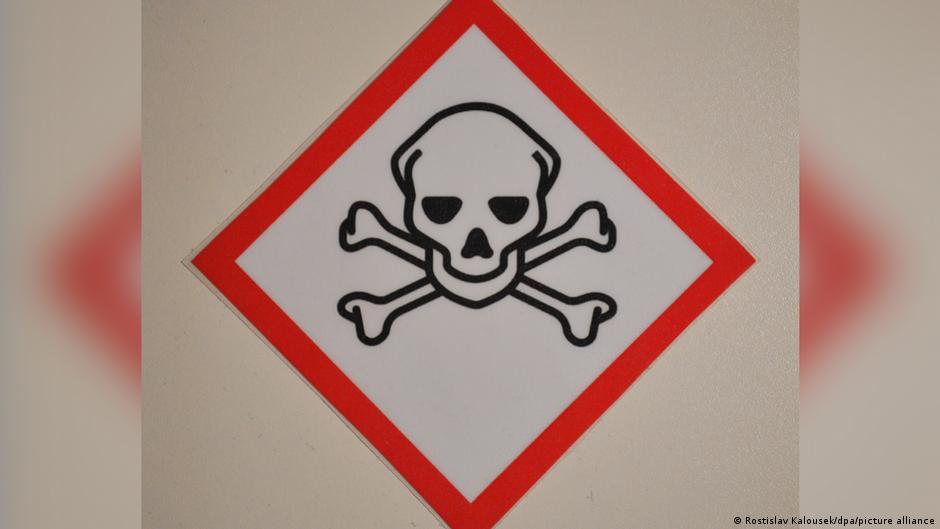
Forensic authorities in Istanbul now believe chemical poisoning — likely phosphine gas released from aluminum phosphide (AlP) pesticide — is the probable cause of the deaths of a German‑Turkish family who fell ill after staying at a Fatih district hotel (mother and two children died 13–14 Nov; the father died 17 Nov); initial food‑poisoning theories have been dropped while pathological, microbiological and toxicological analyses continue. Reports suggest pesticides used for bedbug control may have leaked into the room via the hotel’s ventilation, drawing attention to AlP’s legitimate use in agricultural storage but its prohibition in public‑health settings under Turkish law and a history of similar fatal misuses domestically and abroad. The case underscores enforcement and liability risks for hotels and pest‑control providers, potential regulatory scrutiny, and broader reputational and operational exposures for the hospitality sector pending confirmation of toxicology results.
Forensic authorities in Istanbul now consider chemical poisoning — most likely phosphine gas released from aluminium phosphide (AlP) — the probable cause of death for a German-Turkish family who fell ill after staying in a Fatih district hotel; the mother and two children died on 13–14 November and the father died on 17 November. Investigators have dropped an initial food-poisoning theory and say pathological, microbiological, toxicological and chemical analyses remain to be completed before final confirmation.
AlP is licensed in Turkey for agricultural storage use but, according to Turkish legislation cited in the report, is not permitted in public-health settings such as homes, hotels or workplaces; the compound reacts with air moisture to emit lethal phosphine gas and early symptoms cited in this case — vomiting and coughing blood — match known AlP poisoning presentations. Reports suggest pesticide application for bedbug control may have leaked into the room via the hotel ventilation, and the article highlights prior Turkish fatal incidents in 2023, additional 2024 reports, and a 2015 international case tied to illegally imported AlP.
Commercially, the story elevates regulatory, enforcement and liability risk for the hotel and any pest-control operators involved, creating reputational and operational exposure across the hospitality sector while investigations continue. The accompanying signals show moderately negative sentiment (-0.45) but a low market-impact score (0.12), indicating localized concern and potential idiosyncratic re-pricing of affected operators rather than broad market disruption; forensic confirmation or regulatory action will be the key catalyst.
AI-powered research, real-time alerts, and portfolio analytics for institutional investors.
Request DemoOverall Sentiment
moderately negative
Sentiment Score
-0.45
