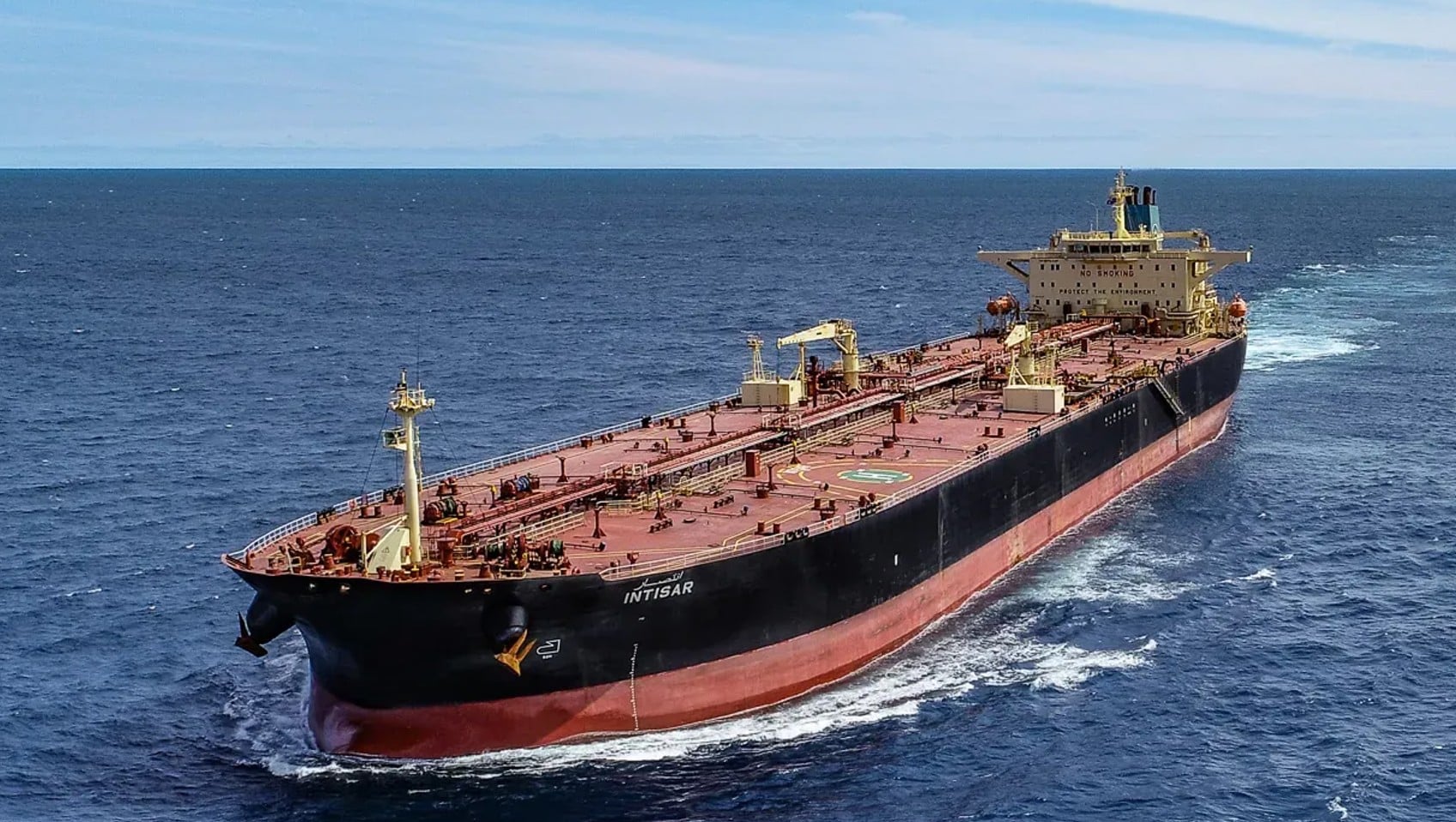
India denied any payment hurdles for Iranian crude imports and dismissed reports that Aframax Ping Shun was diverted to China due to payment issues, saying refiners continue to source from Iran and 40+ countries. An estimated 95 million barrels of Iranian oil are at sea (≈51 million barrels potentially sellable to India); Ping Shun is estimated to carry ~600,000 barrels loaded from Kharg Island around March 4 with a declared ETA to Vadinar of April 4. The U.S. granted a 30-day at-sea sanctions waiver that expires April 19, creating a limited commercial window for cargo sales.
Reintroducing sanctioned-origin barrels into commercial trade creates an outsized marginal benefit to highly complex refiners that can accept a wider slate of sour and heavy grades. If feedstock arrives at a discount of $2–6/bbl versus prevailing Middle Eastern cargoes, coking/hydrocracking operators can convert the delta into $3–8/tonne incremental product margin within 4–8 weeks of loading, favoring firms with domgas-linked crackers and flexible DTA capacity.
The logistics and compliance layer is the hidden arbiter: elevated sanctions/friction raises effective freight, insurance and banking costs for sanctioned-origin flows, tilting relative economics toward buyers who already run bespoke settlement channels or long-term charter relationships. That creates a two-speed market where spot-sensitive refiners pay up for merchant supply while vertically integrated complexes capture most of the margin upside and lower settlement risk.
Catalysts to watch are binary and short-dated: visible commercial discharges into competing refining hubs, sharp changes in tanker insurance availability, or explicit enforcement signals from major financial jurisdictions. These can swing spreads in days; structural reallocation of barrels across Asia would take months as trading houses re-contract tonnage and reconfigure payment rails.
Net-net, the market is underweight the microstructure effects (insurance/freight/banking) that can erode headline supply relief and overweights the mechanical volume impact. That asymmetry creates opportunities to capture refinery-specific upside while hedging macro oil exposure until the next regulatory signal resolves whether these flows scale or get financially impaired.
AI-powered research, real-time alerts, and portfolio analytics for institutional investors.
Request DemoOverall Sentiment
neutral
Sentiment Score
0.05
