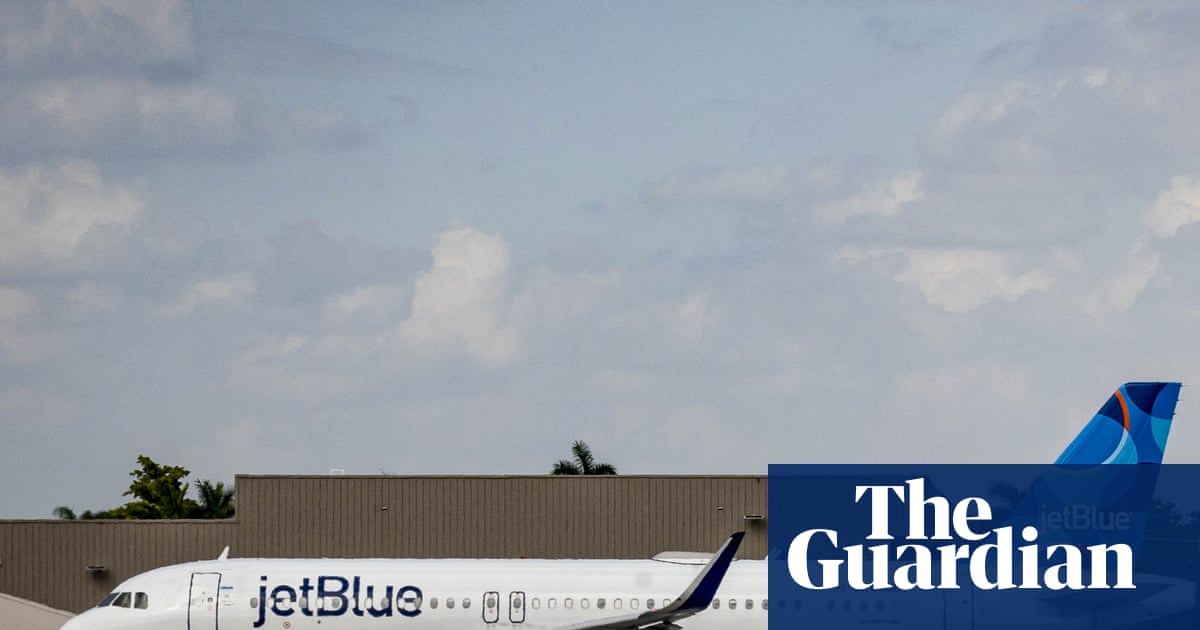
Airbus has ordered immediate repairs on roughly 6,000 A320-family jets—more than half the global A320 fleet—after EASA issued a precautionary bulletin following an incident traced to ELAC flight‑control software corrupted by intense solar radiation. The mostly software-based fix requires airlines to revert to an earlier software version (about two hours per aircraft for many operators), although hundreds of jets may need hardware changes, exacerbating already stretched MRO capacity; American Airlines identified ~340 of its 480 A320s as needing the update. The action threatens short‑term flight disruptions and capacity constraints and creates operational and reputational risk for Airbus and affected carriers, with potential near-term pressure on aerospace and airline equity valuations.
Market structure: The immediate winners are MRO providers and unaffected carriers (e.g., UAL) that can pick up dislocated demand; losers are airlines with large A320 exposures (AAL: ~340 of 480 A320s impacted) and Airbus’ service reputation. With ~6,000 A320-family aircraft targeted out of ~11,300 in service, expect a transient capacity shock on short-haul routes, upward yield pressure on high-frequency routes for 1–4 weeks, and higher spot-rate pricing for AOG (aircraft on ground) MRO work for 2–3 months.
Risk assessment: Tail risks include FAA/EASA escalation to wider groundings, order cancellations or class-action suits that could shift orders over 12–24 months; a key trigger is discovery that >500 jets need hardware replacement causing multi-week delays. Time horizons: immediate (days) = schedule disruption and revenue loss; short-term (weeks–months) = maintenance bottlenecks and compensation/IRROPS costs; long-term (quarters–years) = market-share effects between Airbus and Boeing (BA).
Trade implications: Direct short AAL exposure near-term (48–72 hours) given largest affected A320 fleet; long UAL as a relative winner in short-haul capacity reallocation over 1–3 months. Use options to cap risk: 30–60 day AAL put spreads (5–10% OTM) sized 1–3% of portfolio; consider small (1–2%) thematic long positions in listed MROs or aerospace suppliers if maintenance backlog persists beyond two weeks.
Contrarian angles: Consensus may overstate permanent damage — two-thirds of jets only need a software revert which could be cleared within 72 hours; if >70% of affected aircraft are back in service within 4 days, airline sell-off is likely overdone. Historical parallel: 737 MAX grounding inflicted long-term demand shifts, but this appears operational-software specific; watch the hardware-replacement count (>500 threshold) and legal filings as the real inflection points.
AI-powered research, real-time alerts, and portfolio analytics for institutional investors.
Request DemoOverall Sentiment
moderately negative
Sentiment Score
-0.45
Ticker Sentiment
