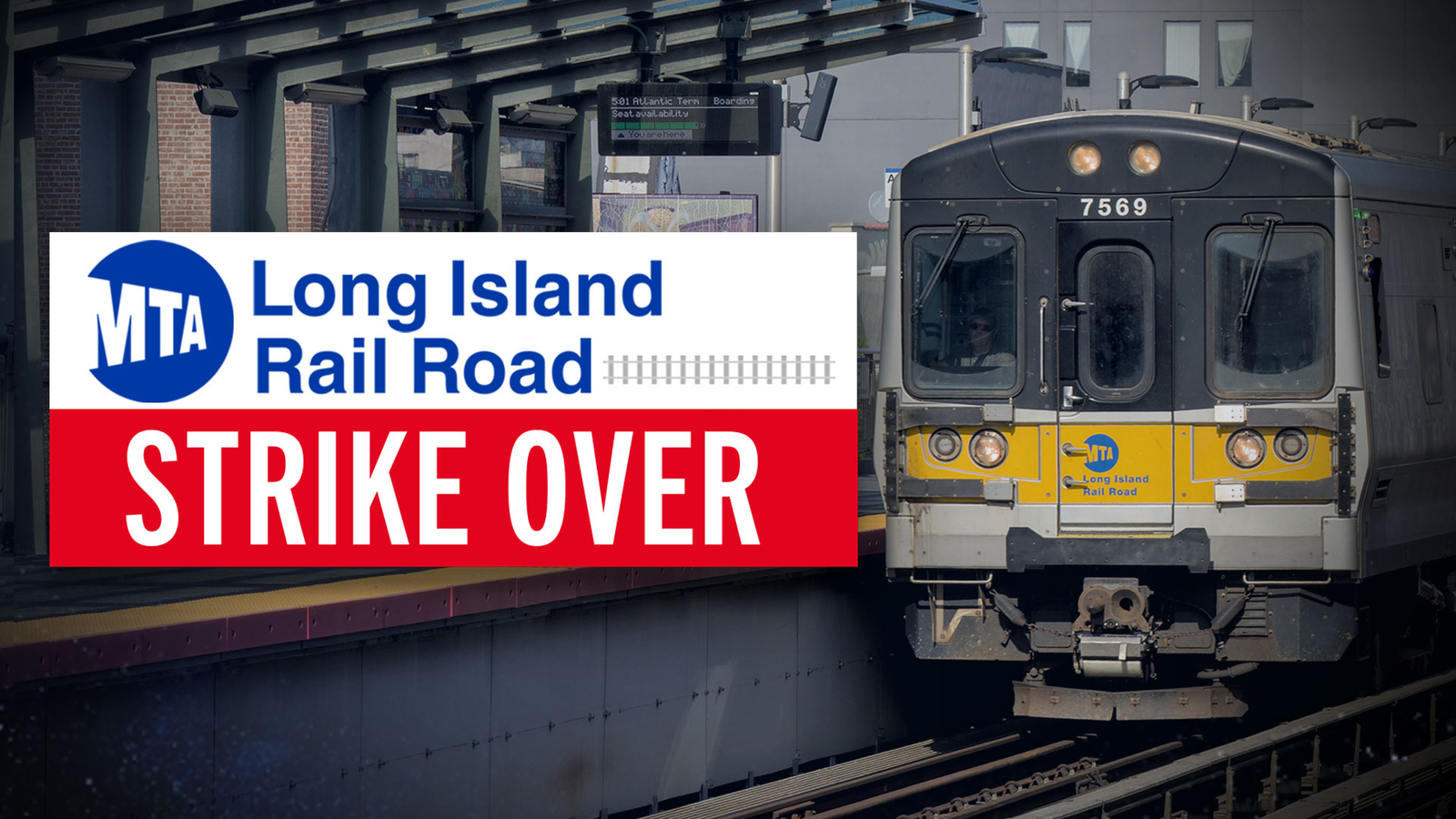
Long Island Rail Road will resume service Tuesday at noon, with full service to all branches expected by the afternoon rush hour, ending a strike that had shut down North America's largest commuter rail system since Saturday. The deal restores transportation for roughly 250,000 daily commuters after negotiations between LIRR and union leaders. The news is operationally positive but primarily a local transit update rather than a market-moving event.
The immediate market read is not the strike resolution itself, but the absence of a prolonged shock. Commuter-rail outages usually create only a brief demand air pocket for Manhattan-dependent services; the bigger effect is that every day of disruption nudges a small share of riders into sticky alternatives like ride-hail, parking, or telework routines that can persist for weeks. That creates a near-term loser set in urban transit-adjacent consumption, while benefiting auto usage, parking operators, and last-mile logistics with incremental volume from displaced commuters.
Second-order, the key question is whether the labor settlement becomes a template for other Northeast transit negotiations. A “good-enough” deal can raise wage expectations across transit authorities and municipal service workforces, which matters more for budgets than for investor sentiment because farebox recovery is already structurally weak. For infrastructure names, the real risk is not one strike ending; it is the cumulative political pressure for subsidized capex and labor cost inflation that compresses project returns over the next 6-18 months.
From a trading perspective, this is too transitory for a broad macro position, but it can be expressed tactically. The best setup is to fade any knee-jerk weakness in downtown/commuter-sensitive names and instead lean into beneficiaries of recovered ridership and mobility normalization, while keeping the trade short-dated because the market will likely reprice within days once service resumes. The contrarian point is that the shutdown may have accelerated behavior change more than headlines suggest: even a 1-2% permanent loss of commuter frequency can matter for nearby retail, parking, and transit-linked revenue lines.
The main catalyst to watch is whether ridership snaps back fully by the first full week or whether a partial shift to remote work persists. If commute patterns stay even modestly impaired into month-end, that would validate a slower recovery in CBD traffic and support a more durable bearish view on commute-dependent real estate and retail.
AI-powered research, real-time alerts, and portfolio analytics for institutional investors.
Request DemoOverall Sentiment
neutral
Sentiment Score
0.08
