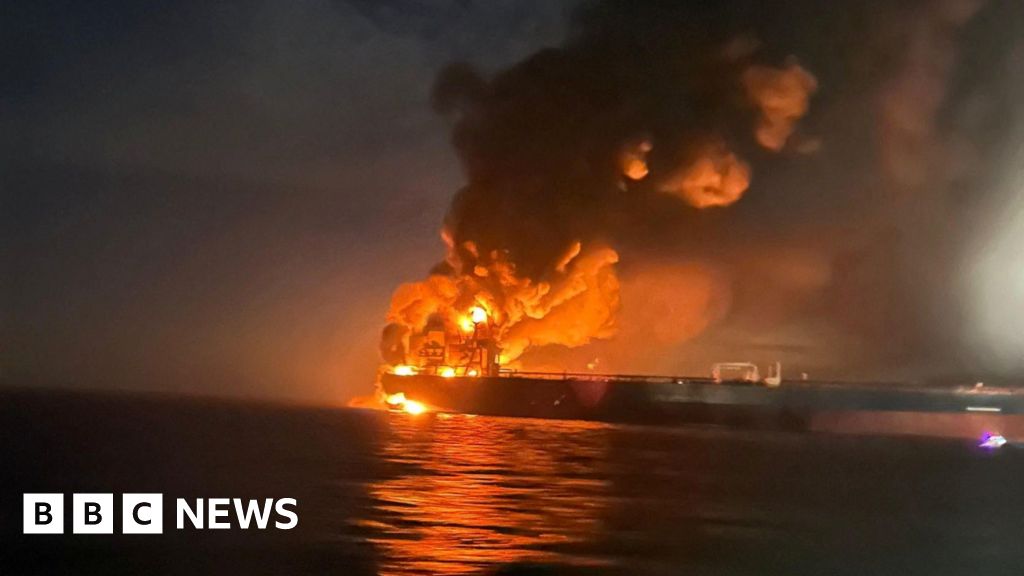
Ukrainian naval drones struck two oil tankers (Kairos and Virat, Gambian‑flagged) in the Black Sea—vessels identified as part of Russia's “shadow fleet” and listed under sanctions—causing fires but no reported casualties. The strikes, plus a separate unmanned‑boat attack that damaged a mooring at Novorossiysk prompting the Caspian Pipeline Consortium to suspend loading, signal a deliberate escalation aimed at disrupting Russian oil exports and raise near‑term operational risk for Black Sea shipping and oil flows, with potential upside pressure on regional oil prices and heightened counterparty/insurer risk for aged, obscurely owned tankers.
Market structure: Attacks on the Black Sea shadow fleet raise near-term physical delivery risk for seaborne crude and refined products, tightening prompt supply and lifting freight/war-risk premiums. Expect spot tanker rates and insurance premia to jump 10–30% while front-month Brent/Urals volatility rises; integrated majors (XOM, CVX, SHEL) see mixed effects — higher commodity prices but logistic/franchise disruption and sanction/legal risks to trading desks.
Risk assessment: Tail scenarios include broader strikes on sanctioned vessels or port infrastructure that knock 0.5–1.0 mb/d of exports for weeks, spiking Brent 10–25% and creating spillovers into refined-product markets. Immediate (days): shipping insurance and freight rates react; short-term (weeks/months): refinery feedstock re-routing and inventory draws; long-term (quarters): acceleration of de‑risking supply chains, higher structural shipping/insurance costs.
Trade implications: Favor convex, limited-cost exposure to higher oil via call spreads on XOM/CVX or Brent to capture a 5–20% crude move while selling nearer-term premium; underweight pure-play tanker/insurer equities and owners of elderly tonnage. Hedging: allocate <1% to tail puts and increase cash/short-duration sovereign paper if incident frequency doubles over a 7–14 day window.
Contrarian view: Consensus focuses on supply squeeze; overlooked is demand elasticity and substitution: if OECD refiners re-route and buy less Russian crude, price dislocations could normalize in 2–3 months. Price spikes may be short-lived once alternate volumes are reallocated, so fully unhedged directional longs beyond 3 months look overstated.
AI-powered research, real-time alerts, and portfolio analytics for institutional investors.
Request DemoOverall Sentiment
moderately negative
Sentiment Score
-0.45
Ticker Sentiment
