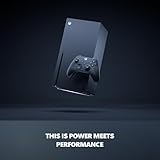
AMD announced that AI-powered FSR 4.1 will extend support to RDNA 3 GPUs in July and RDNA 2 GPUs in 2027, broadening access beyond the RDNA 4-only launch. The upgrade should materially improve image quality on Radeon RX 7000 and RX 6000 series cards, and could also benefit handhelds and Xbox Series X gaming performance. While strategically positive for AMD’s ecosystem, the delayed 2027 timing for RDNA 2 limits near-term market impact.
The market is likely underestimating how much of AMD’s gaming franchise value is now tied to software reach rather than raw GPU share. Extending the AI upscaler down the stack widens the addressable install base and strengthens the “good enough hardware + better software” flywheel, which is exactly the kind of ecosystem lever that can lift attach rates, reduce churn, and make older Radeon cards feel less obsolete. That should modestly improve AMD’s bargaining position with OEM handhelds and console partners over the next 6-18 months, even if the revenue impact is initially more reputational than direct. The bigger second-order effect is on platform parity, not just on image quality. If the same visual delta becomes available across more AMD-based devices, the competitive moat shifts toward the vendor that can deliver the most consistent frame pacing and lowest-latency experience across console, handheld, and PC. That is a subtle but important headwind for Sony’s premium positioning and for Nvidia’s narrative that premium AI rendering is hardware-exclusive; it also raises the odds that hardware buyers defer upgrades longer because software enhancements extend usable life. The timeline mismatch matters: near-term enthusiasm is likely to be strongest for PCs and handhelds, while the console payoff is slower and more conditional. The delayed rollout to older console silicon creates a real execution risk that this turns into a marketing headline without meaningful 2026 monetization. Conversely, if Microsoft can expose this feature set on Xbox Series X in a system update faster than expected, it becomes a low-cost lever to improve perceived console quality into the next holiday cycle, which could pressure Sony’s software-led premium narrative. Consensus may be too focused on the obvious AMD win and not enough on cannibalization: better upscaling can reduce the urgency to buy higher-margin GPUs and may flatten the upgrade cycle in the broader PC market. That is positive for adoption, but it can cap near-term revenue upside if the feature mostly supports older parts and handhelds rather than driving unit mix into the newest cards. The tradeable view is therefore asymmetric: AMD gets a sentiment tailwind now, but the monetization proof point needs to arrive quickly or the stock could fade back to fundamentals.
AI-powered research, real-time alerts, and portfolio analytics for institutional investors.
Request DemoOverall Sentiment
moderately positive
Sentiment Score
0.62
Ticker Sentiment
