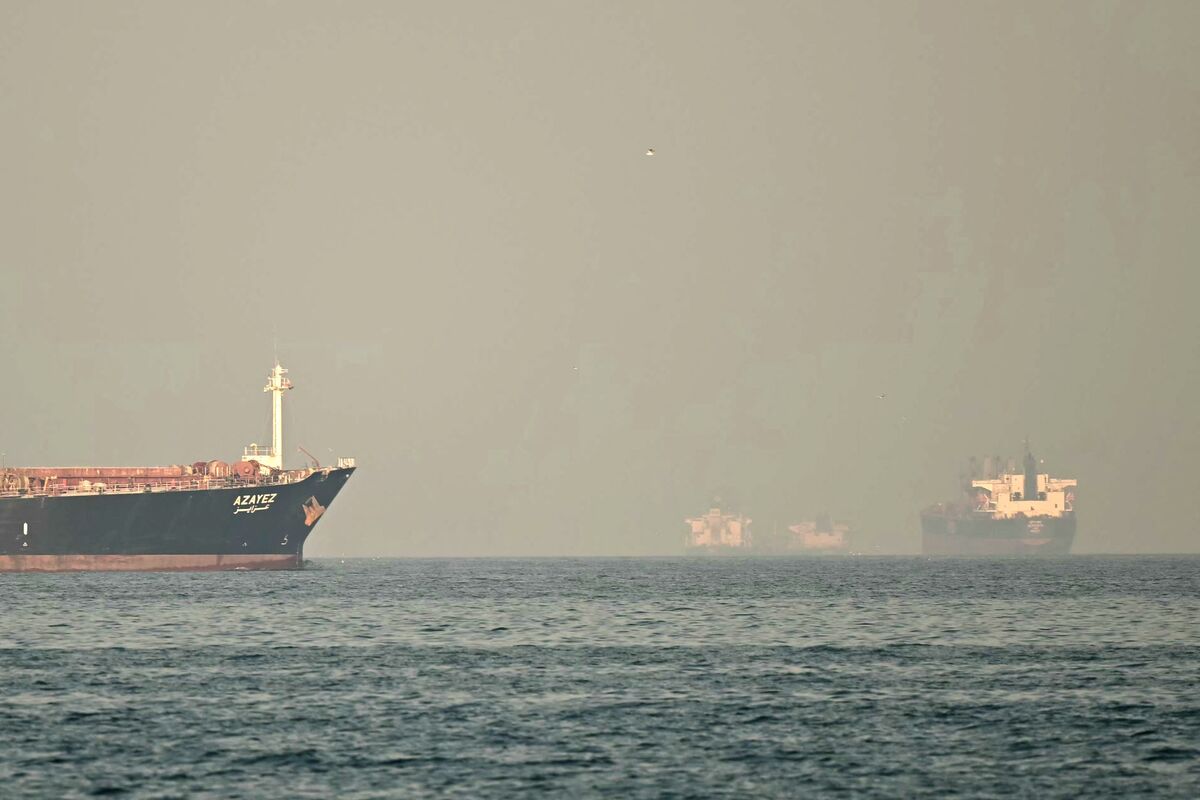
Malaysia said Iran allowed some Malaysian vessels trapped in the Persian Gulf to return home via the Strait of Hormuz after the waterway was effectively closed for almost a month following US and Israeli strikes; hundreds of tankers and other vessels had been trapped, disrupting global energy markets. Malaysia — both an oil/gas producer and a crude importer heavily dependent on the strait — could see partial easing of supply-chain bottlenecks if transit continues, but persistent geopolitical risk keeps energy market volatility elevated.
The partial de-escalation of Strait of Hormuz transits removes a near-term asymmetric supply shock but does not eliminate structural frictions: insurance/warrisk pricing and charterer reluctance typically lag physical reopenings by 2–6 weeks. Mechanically, a phased restoration of 0.5–1.5 mb/d of effective throughput will show up first as a drop in spot tanker TCEs (expect 20–40% compression from peak) and a narrowing of Asia-Med crude differentials by $2–6/bbl within 2–8 weeks as stuck barrels clear.
Second-order winners are entities that suffer from high freight and crude premia today — Asian refiners with flexible light/heavy switching and airlines — while leveraged spot tanker owners and P&C insurers who priced in prolonged closures are at risk. Freight market psychology is important: once a critical mass of vessels clears AIS and underwrites at reduced war-risk rates, forward freight agreements and charter markets reprice quickly, amplifying equity moves in owner names within 1–3 weeks.
Key catalysts to monitor with cadence: daily AIS transit counts (near-term), published war-risk surcharges from major P&I clubs (1–4 weeks), and Brent front-month vs. 1–6 month curve shape (contango/backwardation signals supply anxiety decaying over weeks). Tail risks that would reverse the tightening are rapid re-escalation or targeted strikes on commercial shipping — those would re-inflate insurance premiums almost overnight and restore upside to tanker spot rates.
Consensus likely overweights the binary ‘‘closed vs open’’ narrative; markets underappreciate the middle regime where physical flows resume but elevated insurance keeps marginal transport economics high, creating a short window of volatility. That window is tradable: quick mean-reversion in freight-linked equities and oil-risk premiums creates asymmetric opportunities if positions are sized to survive a sudden re-tightening (use options or tight stops).
AI-powered research, real-time alerts, and portfolio analytics for institutional investors.
Request DemoOverall Sentiment
neutral
Sentiment Score
0.00
